Macro● Neutral
Trump’s Verbal Assault on Pope Leo Signals Geopolitical Risk
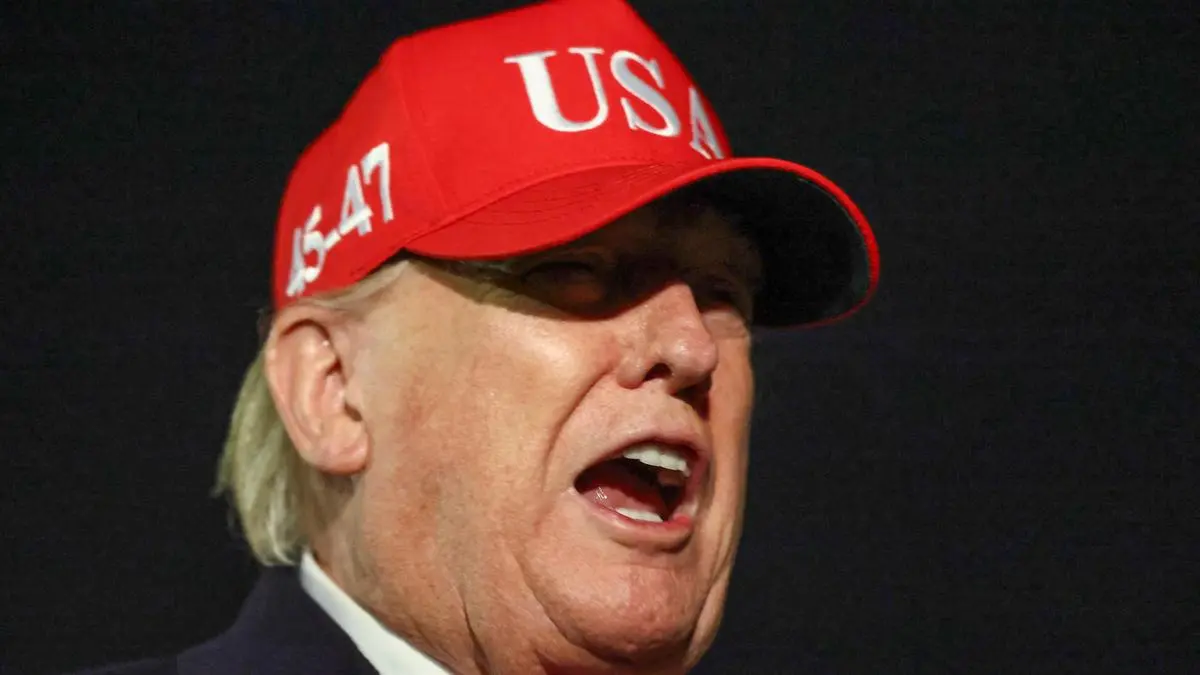
The President’s attack on the Vatican threatens to disrupt global diplomatic stability. Investors should monitor for policy shifts and rising market volatility.
Continue with
A Diplomatic Schism Deepens
In an unusual late-night escalation that has caught the attention of global political analysts and market observers alike, U.S. President Donald Trump launched a scathing verbal assault on Pope Leo late Sunday. The President characterized the religious leader as “weak” on the issue of crime and described his approach to foreign policy as “terrible.”
This confrontation stems from the Pope’s recent public criticisms of President Trump’s administration, specifically targeting the President’s hardline stances on immigration and his broader foreign policy agenda. While the Papacy typically remains a figurehead of moral authority, this direct friction with the White House signals a growing divide between traditional institutional diplomacy and the current populist administration’s approach to international relations.
Contextualizing the Conflict
The clash between President Trump and the Vatican is not merely a matter of theological or social disagreement; it represents a significant shift in the geopolitical landscape. Pope Leo’s critiques regarding immigration and global policy have historically influenced international sentiment, often acting as a soft-power weight against U.S. executive actions.
By labeling the Pope as “weak” and “terrible,” President Trump is doubling down on his ‘America First’ branding, signaling to his base that he will not be swayed by international moral critiques, even those originating from the world’s most prominent religious leader. For traders and institutional investors, this rhetoric serves as a reminder that the current administration is willing to maintain a confrontational stance regardless of the diplomatic optics, which can often lead to increased volatility in international relations and trade negotiations.