Macro● Neutral
Trump Administration Imposes Naval Blockade on Iranian Ports
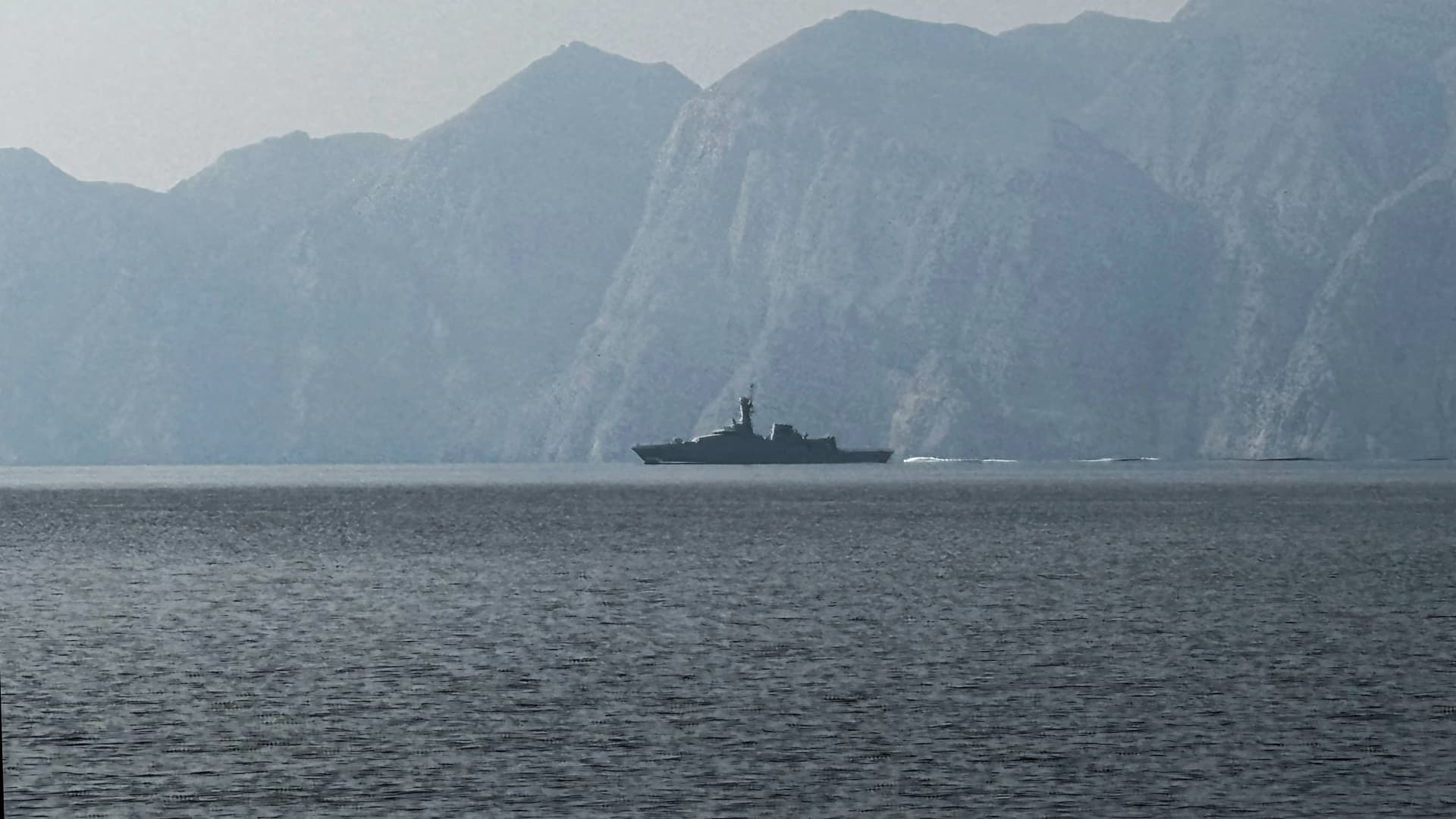
Naval restrictions in the Persian Gulf threaten global energy shipping routes. Markets are now pricing in potential oil volatility as Tehran weighs options.
Continue with
Strategic Shift in the Persian Gulf
The Trump administration has initiated a naval blockade of Iranian ports, marking a sharp escalation in regional tensions. This move aims to restrict maritime traffic linked to Iran and exert maximum pressure on the Tehran government. While the operation focuses on the Persian Gulf, the broader impact on global energy shipping routes remains a primary concern for market analysis professionals.
Objectives of the Blockade
A former Pentagon official confirmed the core intent behind the mission. The U.S. seeks to force Iranian leadership to retreat from current regional postures and ensure the restoration of freedom of navigation through the Strait of Hormuz.
The goal of the U.S. blockade is to get the Iranians to back down and restore freedom of navigation to the strait.