The Rise of the 'Sophisticated Sip'
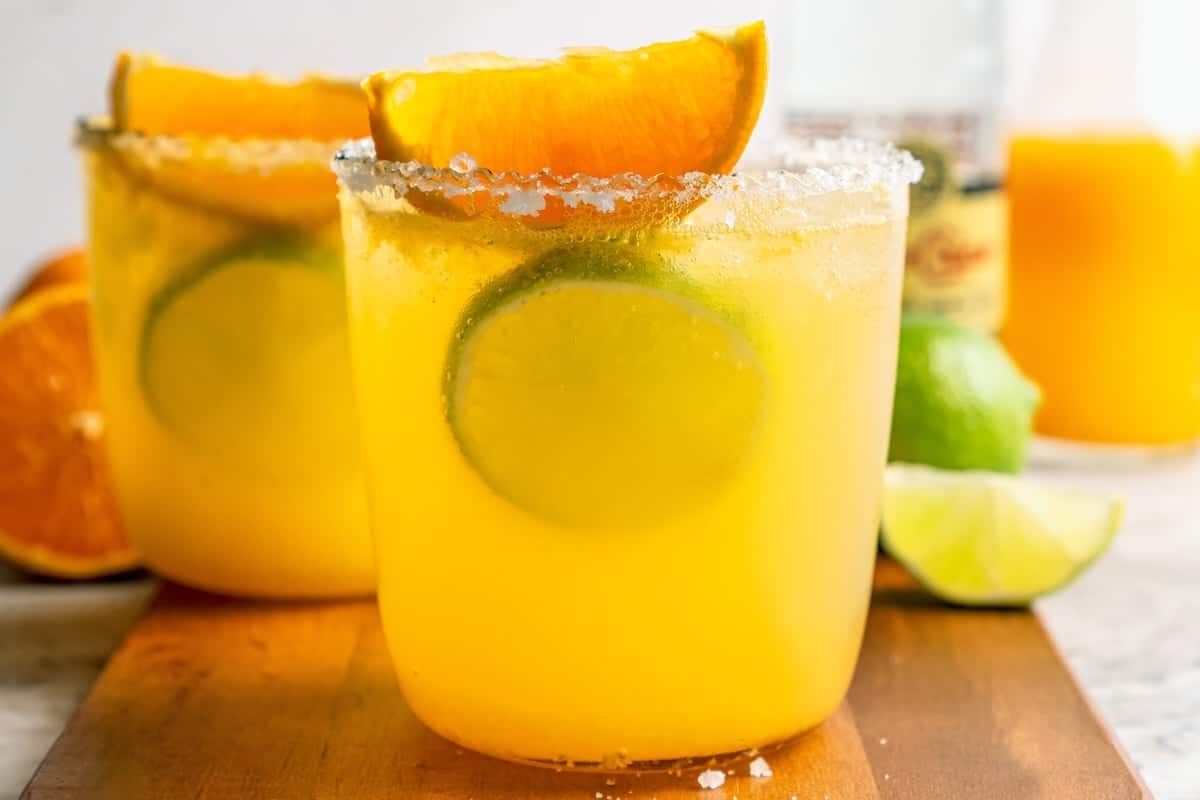
The beverage industry is undergoing a structural shift that extends far beyond a simple change in health preferences. As consumers increasingly prioritize wellness and mindful consumption, the non-alcoholic (NA) category has transitioned from a niche alternative to a significant revenue driver for global beverage giants. At the heart of this trend is the growing demand for complex, flavor-forward beverages that replicate the sensory profile of traditional cocktails—such as the increasingly popular 'Margarita Mocktail,' which captures the tart, citrus-forward profile of the original without the ethanol.
This shift is not merely anecdotal; it is reflected in the tightening competition between legacy alcohol producers and specialized beverage startups. For traders and investors, the movement toward 'sober-curious' consumption represents a fundamental change in the total addressable market (TAM) for the hospitality and retail sectors.
Market Dynamics and Consumer Behavior
Historically, the non-alcoholic market was dominated by sugary sodas or uninspired juices. Today, the focus has shifted to 'functional' and 'premium' non-alcoholic offerings. The popularity of the Margarita Mocktail—a drink defined by its bright citrus acidity and a sophisticated, fizzy mouthfeel—is a prime example of how product development is prioritizing the 'drinking experience' over the alcohol content itself.
Data suggests that the demographics driving this growth are primarily Millennials and Gen Z, who are demonstrating a lower propensity for alcohol consumption compared to their predecessors. This behavioral pivot is forcing major players to diversify their portfolios. We are seeing established distributors pivot toward premium zero-proof spirits and botanical waters, effectively hedging against the long-term stagnation of traditional spirit volumes in key developed markets.
Implications for Investors
What does this mean for the savvy market participant? The proliferation of high-quality non-alcoholic options provides a new avenue for growth in a sector that has been historically cyclical. Investors should look for companies that are successfully integrating NA products into their existing supply chains, as these firms can leverage existing distribution networks to capture a larger share of the 'daytime' and 'health-conscious' beverage market.
Furthermore, the margin profile on premium mocktails is often comparable to, or even exceeds, that of standard alcoholic offerings due to the absence of 'sin taxes' and the ability to market these products as premium lifestyle goods. As the hospitality industry continues to embrace inclusive menus, the Margarita Mocktail and its counterparts are moving from the 'alternatives' list to the center of cocktail programs.
The Road Ahead: What to Watch
Moving forward, market analysts will be closely monitoring quarterly earnings reports from major beverage conglomerates to see how much of their growth is being attributed to their non-alcoholic portfolios. Key metrics to watch include the rate of SKU expansion in the NA category, penetration into retail shelf space, and the premiumization of zero-proof ingredients.
While the Margarita Mocktail itself may seem like an artisanal trend, it serves as a barometer for a much larger, capital-intensive shift in the global beverage economy. As consumer habits evolve, the ability for brands to provide a 'real-deal' experience—without the alcohol—will be the primary differentiator in winning market share in the years to come.