Back to Markets
Macro● Neutral

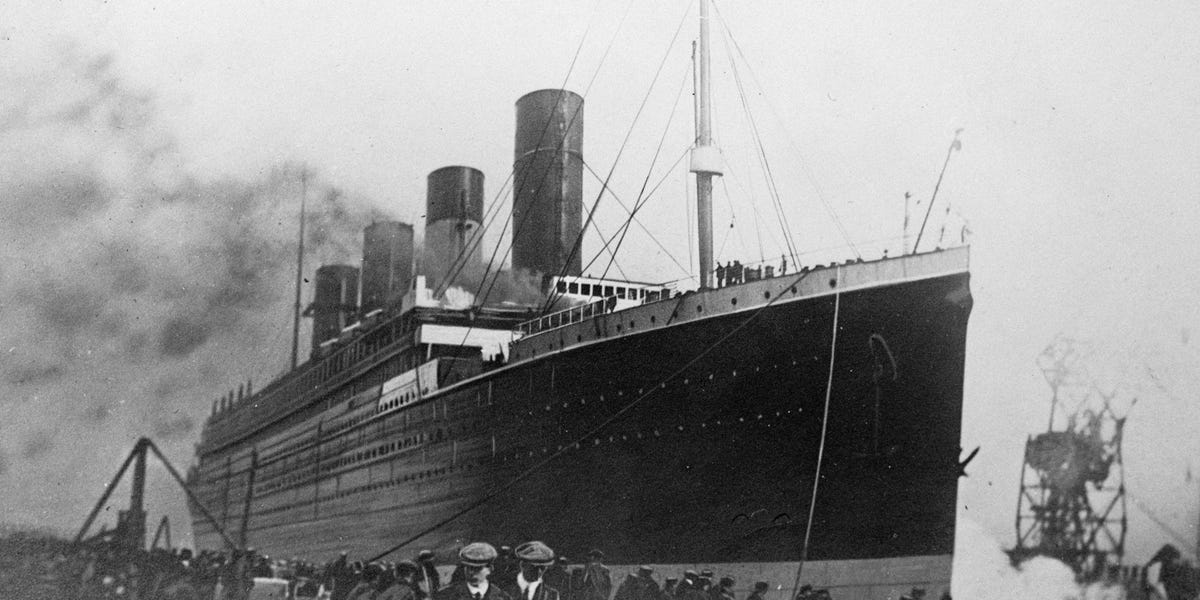
The Titanic at 114: Revisiting the Maritime Tragedy

April 14, 2026 at 03:19 PMBy AlphaScalaSource: businessinsider.com
The Titanic at 114: Revisiting the Maritime Tragedy

It has been 114 years since the RMS Titanic sank in 1912. This piece examines the historical facts, the engineering failures, and the lasting impact of the maritime disaster.

A Century of Historical Inquiry

It has been 114 years since the RMS Titanic met its end in the North Atlantic. The disaster, which occurred in 1912, remains a defining event in maritime history. While the vessel was billed as the pinnacle of engineering, its maiden voyage ended in a catastrophe that fundamentally altered safety regulations at sea. For those tracking historical market analysis, the sinking of the Titanic serves as a stark reminder of how sudden failures can disrupt even the most established systems.

The Engineering and the Crew

Construction of the Titanic represented a massive capital investment for the White Star Line. The ship was not merely a vessel; it was a floating city designed to capture the transatlantic travel market. Despite its size and the luxury amenities provided to passengers, the crew faced operational constraints that proved fatal when the ship struck an iceberg.

Key details regarding the vessel and its final hours include:

  • Original Launch Year: 1912
  • Total Years Since Sinking: 114
  • Primary Operator: White Star Line
  • Primary Cause of Loss: Collision with an iceberg

Discovering the Wreckage

Decades after the ship vanished, the discovery of the wreckage provided a new layer of data for historians. Finding the ship on the ocean floor solved lingering questions about how it broke apart. Unlike items tracked in the modern gold profile, the Titanic wreckage holds value primarily as a site of historical inquiry and scientific study.

The discovery of the Titanic wreckage was not just a search for a lost ship. It was an exercise in deep-sea mapping that provided evidence for the structural failure of the hull under extreme pressure.

Lessons for Modern Risk Management

Investors and risk managers often look to historical disasters to understand how safety protocols evolve. The Titanic disaster forced the industry to reconsider the ratio of lifeboats to passengers. This shift in policy mirrors how modern firms adjust their operations after a major supply chain disruption, such as the recent India Launches 2.5 Million Tonne Urea Import Tender Amid Middle East Supply Disruptions.

Metrics of the Disaster

FeatureDetail
Year of Sinking1912
Elapsed Time114 Years
Primary LocationNorth Atlantic
OutcomeTotal Loss of Vessel

What to Watch

Future expeditions to the site continue to generate interest. Researchers are currently monitoring the rate of decay of the steel, which is being consumed by iron-eating bacteria. As the structure weakens, the ability to recover artifacts or gain further insights may diminish. Traders should keep an eye on how maritime insurance and safety reporting standards continue to adapt to new deep-sea exploration technologies.