Macro● Neutral
How Trump’s Fiscal Policy Could Revive the Gold Standard
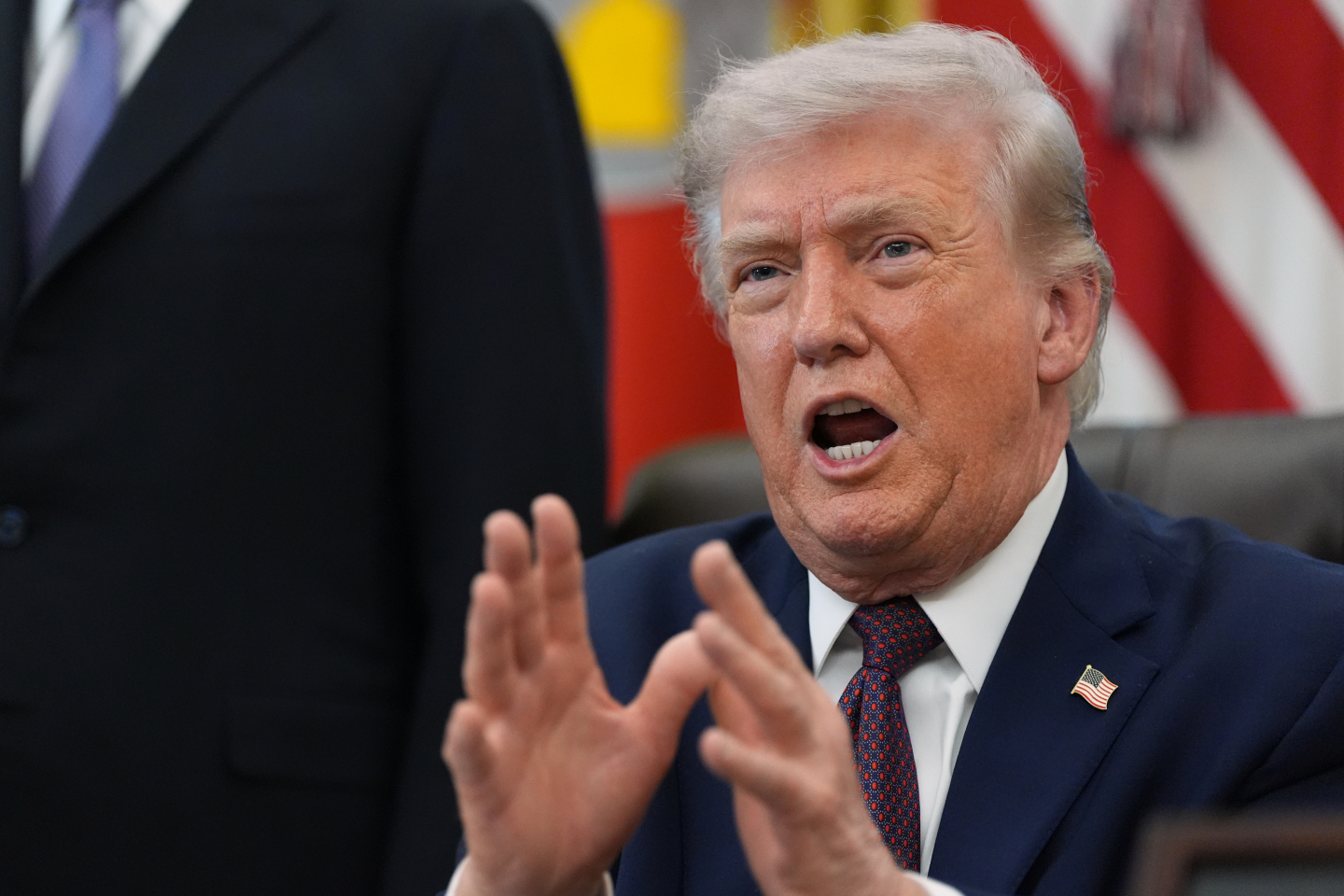
With U.S. national debt topping $35 trillion, institutional investors are hedging with gold as DXY faces potential volatility from a hard money shift.
Continue with
The Return of the Gold Standard Debate
For decades, the intellectual argument for returning to a gold-backed monetary system has remained a niche corner of economic discourse, championed by figures like Lewis Lehrman, Steve Forbes, and former Representative Ron Paul. Despite their consistent advocacy, the political momentum required to dismantle the modern fiat currency regime never materialized. However, the shifting political landscape surrounding Donald Trump has transformed this once-fringe theory into a topic of serious discussion among market participants and policy analysts.
Historically, the gold standard has been viewed as a fiscal constraint, designed to limit the ability of central banks to expand the money supply indefinitely. While proponents argue it provides price stability and prevents the debasement of currency, critics have long maintained that it would be too restrictive for a modern, globalized economy. The resurgence of this discussion, however, is not happening in a vacuum; it is occurring against a backdrop of record-high national debt and persistent concerns over the long-term viability of the U.S. dollar as the world’s reserve currency.
Why Now? The Fiscal Reality
The pivot toward gold-adjacent policy ideas is largely a reaction to the current fiscal trajectory of the United States. With the national debt eclipsing $35 trillion, the cost of servicing that debt—driven by higher interest rates—has become a central focal point for investors. When Ron Paul and other gold advocates built their platforms, they were often dismissed as alarmists. Today, their warnings about the erosion of purchasing power through quantitative easing and deficit spending are being echoed by institutional investors who are increasingly allocating to gold as a hedge against systemic risk.
For traders, the prospect of any formal link to gold—even a partial or symbolic one—would mark a tectonic shift in the global macro environment. If a political movement were to successfully move the needle toward a gold-backed mandate, the implications for the Federal Reserve’s autonomy would be profound. It would effectively signal a rejection of the current flexible monetary framework that has defined the post-1971 era.