Stocks● Neutral
How Needlepoint Is Capturing Gen Z’s Discretionary Spending
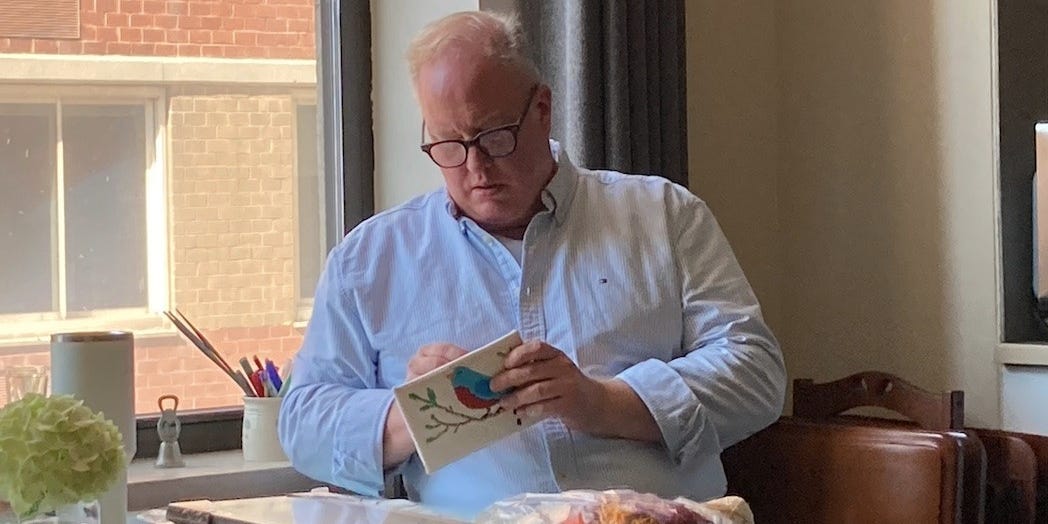
Gen Z is driving demand for 'slow-made' goods, signaling a shift toward artisanal authenticity. Watch how boutique creators bypass retail intermediaries.
Continue with
A Modern Twist on Heritage Craft
In an era dominated by digital transformation and algorithmic trading, a quiet resurgence in tactile, analog hobbies is reshaping consumer demographics. Kevin Lustik, a 62-year-old paralegal, has become a microcosm of this trend, successfully transitioning from a career in legal support to a thriving side hustle in the needlepoint industry. His story is not merely one of personal fulfillment; it serves as a compelling case study on how traditional craftsmanship is finding unexpected, high-value demand among Gen Z consumers.
Lustik’s foray into the market challenges the conventional wisdom that younger generations are tethered exclusively to the digital ecosystem. Instead, he has tapped into a growing appetite for 'slow-made' goods, proving that even a niche hobby like needlepoint can scale into a viable financial venture. For investors and market observers, this shift highlights a broader cultural move toward personalization and artisanal authenticity that is increasingly influencing retail spending patterns.
The Gen Z Paradox: Digital Natives Seeking Tangibility
Perhaps the most striking development in Lustik’s business model is the composition of his client base. While one might assume needlepoint—a craft historically associated with older generations—would have limited appeal to those under 30, Lustik reports that Gen Z has become one of his most reliable and enthusiastic customer segments. This demographic, often characterized by its digital fluency, is increasingly favoring physical products that offer a sense of permanent, tangible value in an otherwise fleeting online world.
Lustik’s work is distinguished by its thematic depth. By infusing his designs with commentary on contemporary, high-stakes topics, he has successfully positioned his art not just as decor, but as a medium for cultural expression. This relevance is a critical factor in his ability to capture the attention of younger buyers, who are statistically more likely to support brands that align with their personal values and societal concerns.