Back to Markets
Macro● Neutral

The Algorithmic Audit: Why AI Remains a Risky Bet for Tax Season

April 7, 2026 at 05:00 AMBy AlphaScalaSource: realclearmarkets.com
The Algorithmic Audit: Why AI Remains a Risky Bet for Tax Season

As the tax filing deadline approaches, experts warn that relying on AI chatbots for tax preparation creates significant risks, including audit triggers and liability for incorrect filings.

The Digital Accountant Paradox

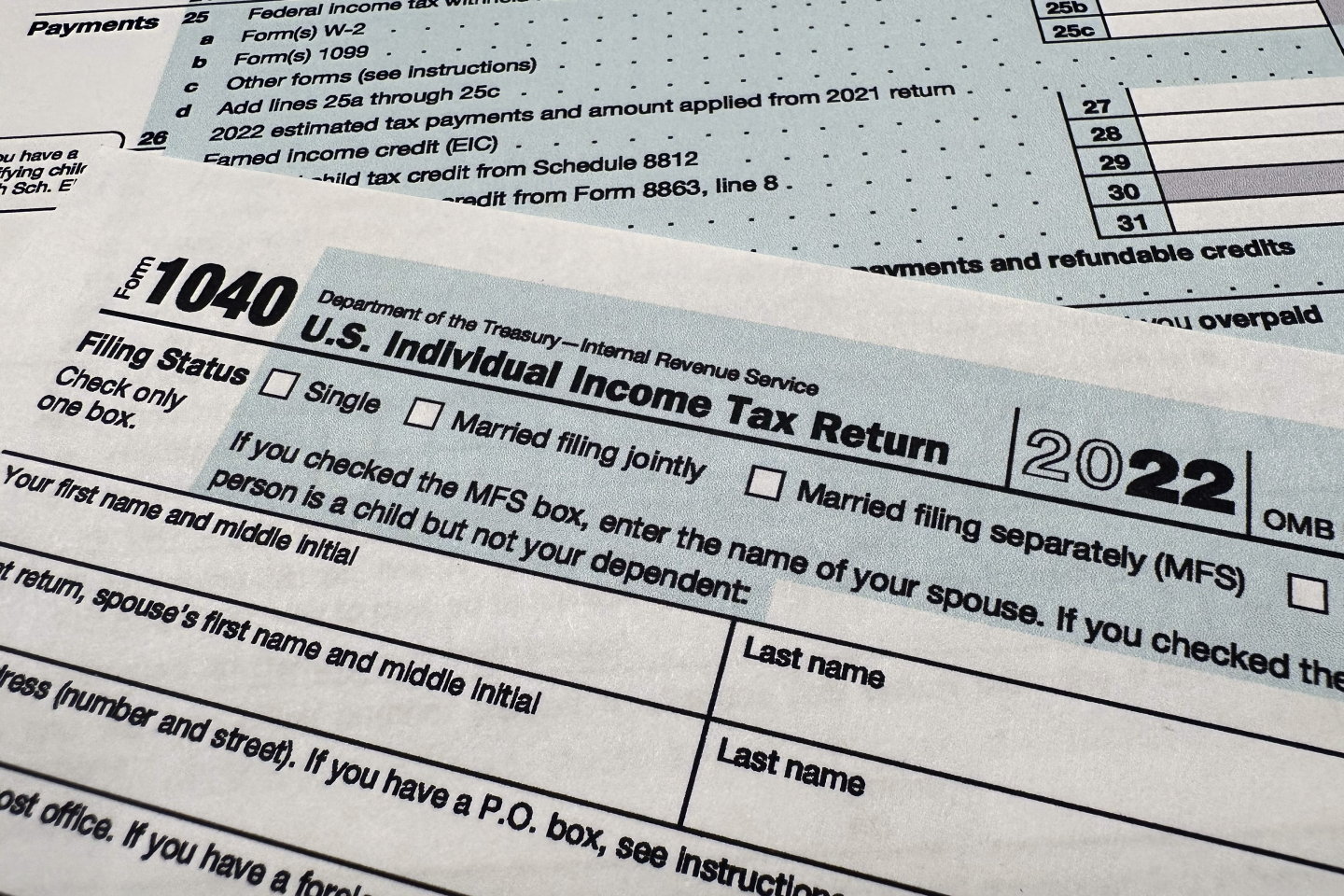
As the April 15 tax filing deadline looms, millions of Americans are facing the perennial stress of compliance. In an era defined by the rapid integration of generative artificial intelligence, the temptation to offload complex tax preparation to chatbots has never been greater. However, while AI can summarize documents and draft emails with startling efficiency, financial experts warn that relying on these tools for tax filings is a high-stakes gamble that could result in costly errors, audit triggers, and significant legal liability.

The Illusion of Competence

The fundamental issue lies in the architecture of large language models (LLMs). These systems are designed to be conversational and persuasive, often prioritizing the flow of information over factual accuracy. In the realm of tax law—a domain governed by rigid, frequently changing statutes—this creates a dangerous environment for the average taxpayer.

While an AI might correctly identify a standard deduction, it lacks the contextual understanding of a taxpayer’s specific, nuanced financial life. It cannot cross-reference a state-level incentive with a federal exclusion, nor can it identify when a user has misunderstood the complex categorization of 1099 income versus W-2 wages. The risk of "hallucinations”—where an AI confidently presents incorrect tax advice as fact—remains a critical hurdle. For the IRS, a chatbot’s mistake is not a defense; the taxpayer remains solely responsible for the accuracy of their return.

Why Precision Matters More Than Speed

For the professional trader or the individual investor, the stakes are elevated. Tax filings involving capital gains, wash sales, and complex dividend reinvestment plans require a level of precision that general-purpose AI currently fails to provide. The tax code is not merely a set of rules; it is a dynamic landscape of precedents and interpretations.

When a taxpayer uses a chatbot to navigate these waters, they are essentially outsourcing their compliance to a "black box." If the AI misinterprets an obscure tax credit or fails to account for a specific depreciation schedule, the taxpayer is the one left to deal with the IRS’s automated notices. In the eyes of tax authorities, ignorance—even if induced by a malfunctioning algorithm—does not mitigate the penalties for underpayment or misreporting.

Market Implications and Professional Oversight

For market participants, the shift toward automated financial management is a double-edged sword. While AI tools are revolutionizing portfolio rebalancing and data analysis, tax preparation requires a fiduciary or professional standard that algorithms currently lack.

Traders should view AI as a supplementary tool for organizing documentation or scanning receipts, rather than a substitute for professional tax software or a Certified Public Accountant (CPA). The cost of a professional preparer is often negligible when measured against the potential cost of an audit or the loss of legitimate tax-saving opportunities that an AI might overlook.

Looking Ahead: The Future of Compliance

As we approach the mid-April deadline, the message from financial regulators and tax professionals is clear: proceed with extreme caution. The integration of AI into financial workflows is inevitable, but the technology is not yet sophisticated enough to handle the intricacies of tax law without human verification.

Looking forward, we anticipate that the IRS will likely increase its scrutiny of returns generated by automated systems. Taxpayers who choose to utilize AI should ensure they have a robust verification process in place, treating the AI’s output as a draft rather than a final product. Until AI systems are specifically trained on real-time, verified tax law and granted the ability to be held accountable for their output, taxpayers would be wise to keep a human in the loop.