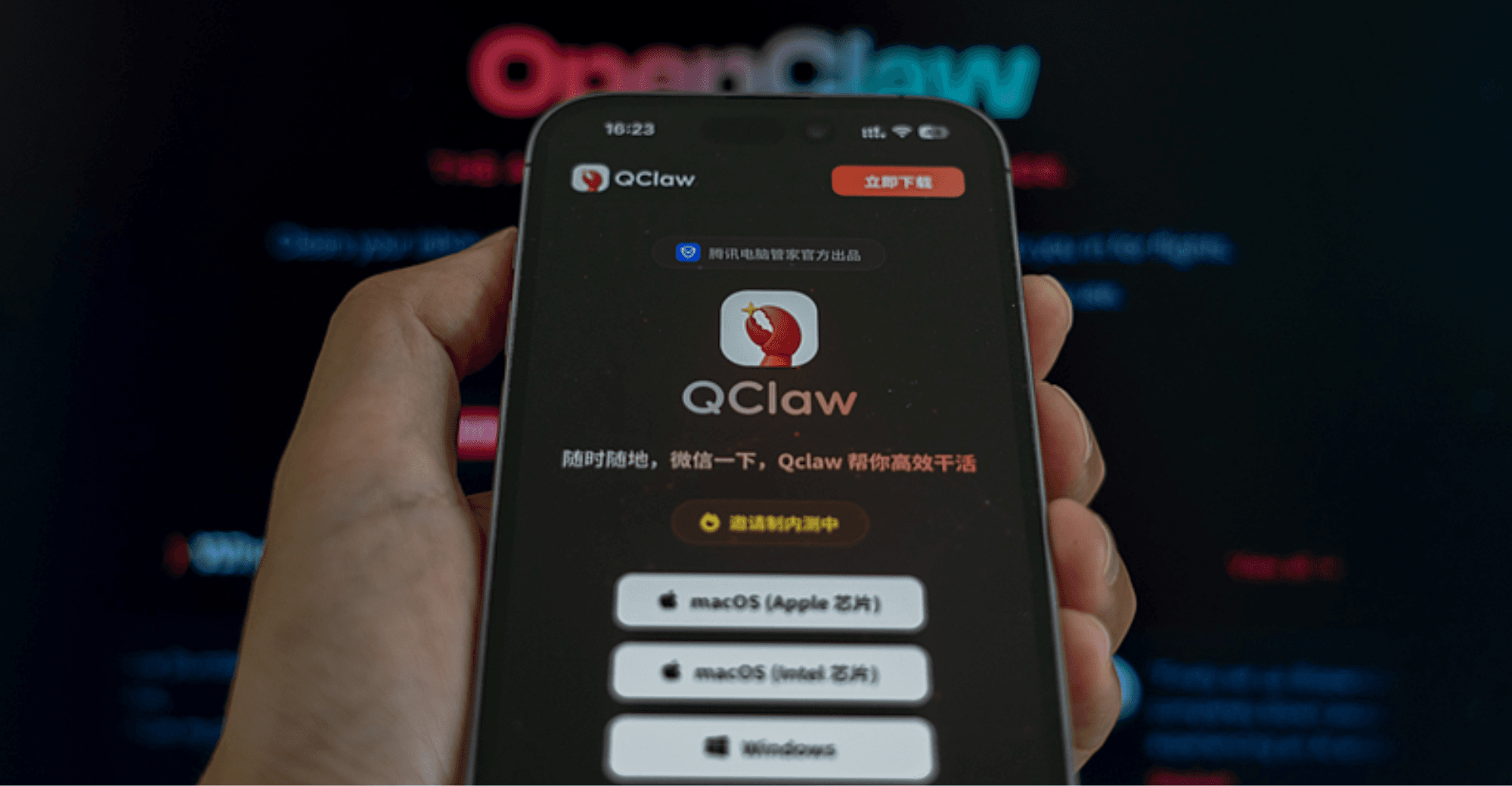
The Next Frontier in Consumer AI
Tencent Cloud has officially launched QClaw V2, an upgraded iteration of its AI infrastructure designed to integrate multi-agent collaboration into consumer-facing AI assistants. This development marks a significant shift in Tencent’s strategy as it pivots from simple, single-prompt conversational models toward complex, task-oriented autonomous agents capable of orchestrating multiple workflows simultaneously.
By leveraging multi-agent systems, QClaw V2 aims to allow AI assistants to break down intricate user requests into sub-tasks, assigning these components to specialized agents that work in concert. This collaborative architecture is intended to mimic human team dynamics, potentially increasing the efficiency and accuracy of AI-driven productivity tools.
Technical Ambitions and Persistent Bottlenecks
While the introduction of multi-agent capabilities represents a sophisticated leap forward for Tencent Cloud’s software stack, the industry remains wary of the underlying technical frictions. According to internal technical insights, QClaw V2 is currently grappling with two primary operational challenges: scalability and memory management.
Scalability in multi-agent environments is notoriously difficult to maintain. As the number of agents increases, the computational overhead required to coordinate communication between those agents grows exponentially. This can lead to latency spikes that undermine the user experience, particularly in high-traffic consumer environments where real-time responsiveness is non-negotiable.
Furthermore, memory limitation remains a critical hurdle. Maintaining context across multiple specialized agents requires a sophisticated long-term memory architecture. If the system fails to effectively manage state retention—the 'memory' of previous interactions and task progress—the agents lose the ability to maintain coherence over extended sessions. For traders and enterprise users who rely on AI for data-heavy analysis, these limitations suggest that while QClaw V2 is an advancement, it may not yet be ready for mission-critical, high-complexity deployments.
Market Implications and Strategic Outlook
Tencent (TCEHY) is positioning QClaw V2 as a cornerstone of its broader AI cloud ecosystem. For investors and market observers, the launch signals that Tencent is committed to competing directly with global leaders in AI orchestration. However, the success of this rollout will depend on how quickly Tencent’s engineers can resolve the memory-access bottlenecks that currently constrain the platform's potential.
For the broader tech sector, this development highlights the current industry-wide transition toward 'Agentic AI.' We are seeing a move away from simple Large Language Models (LLMs) towards systems that can execute actions. If Tencent can solve the scaling issues inherent in QClaw V2, it could set a new benchmark for how consumer platforms handle complex data processing tasks.
What to Watch Next
Moving forward, market participants should monitor Tencent’s upcoming quarterly performance metrics related to cloud revenue growth, specifically looking for adoption rates of its AI-as-a-service offerings. Additionally, technical updates regarding the optimization of QClaw’s memory architecture will be the primary indicator of whether this product can bridge the gap between experimental AI and enterprise-grade utility. Investors should keep a close eye on how these AI advancements influence Tencent’s competitive positioning against domestic rivals in the Chinese cloud computing market.