Commodities● Neutral
Strait of Hormuz Blockade Triggers Oil Supply Route Shifts
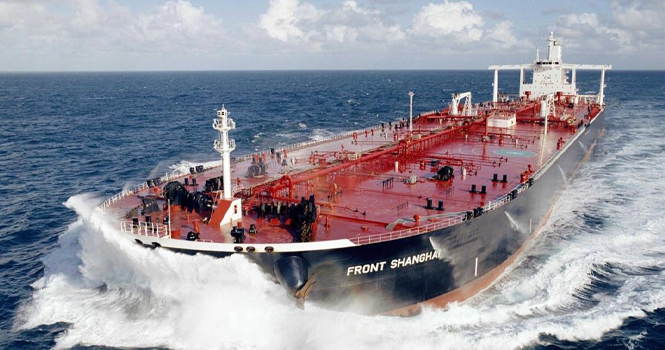
With WTI crude breaching $100, tanker operators are abandoning the Strait of Hormuz. Watch for naval positioning updates to gauge the duration of volatility.
Continue with
Maritime Flux in the Persian Gulf
Oil tanker traffic is stalling in the Strait of Hormuz. Ship operators are preemptively rerouting vessels to avoid the waterway ahead of a planned U.S. naval operation to control maritime traffic. The blockade, set to take effect later on Monday, follows the total collapse of recent peace negotiations between Washington and Tehran.
This shift in logistics signals a sharp break from standard shipping routes. With a significant portion of global energy supplies passing through this narrow channel, the market is reacting to the immediate threat of supply chain disruptions. Traders monitoring the crude oil profile are bracing for further price volatility as the physical movement of energy products slows.
Market Reaction and Supply Concerns
Energy markets are already responding to the breakdown in diplomatic channels. The uncertainty surrounding the Strait of Hormuz, a critical artery for global oil exports, has pushed spot prices higher. Investors are pricing in the risk that the U.S. naval presence will effectively pinch supply lines.
"The sudden withdrawal of commercial tanker traffic from the Strait of Hormuz suggests that markets are no longer betting on a diplomatic resolution," noted one analyst. "We are seeing a rapid repricing of risk as the physical reality of a blockade sets in."
Current Market Metrics
| Indicator | Status | Market Impact |
|---|---|---|
| Tanker Traffic | Declining | High |
| Spot Oil Prices | Rising | Immediate |
| Shipping Insurance | Increasing | Elevated |