Macro● Neutral
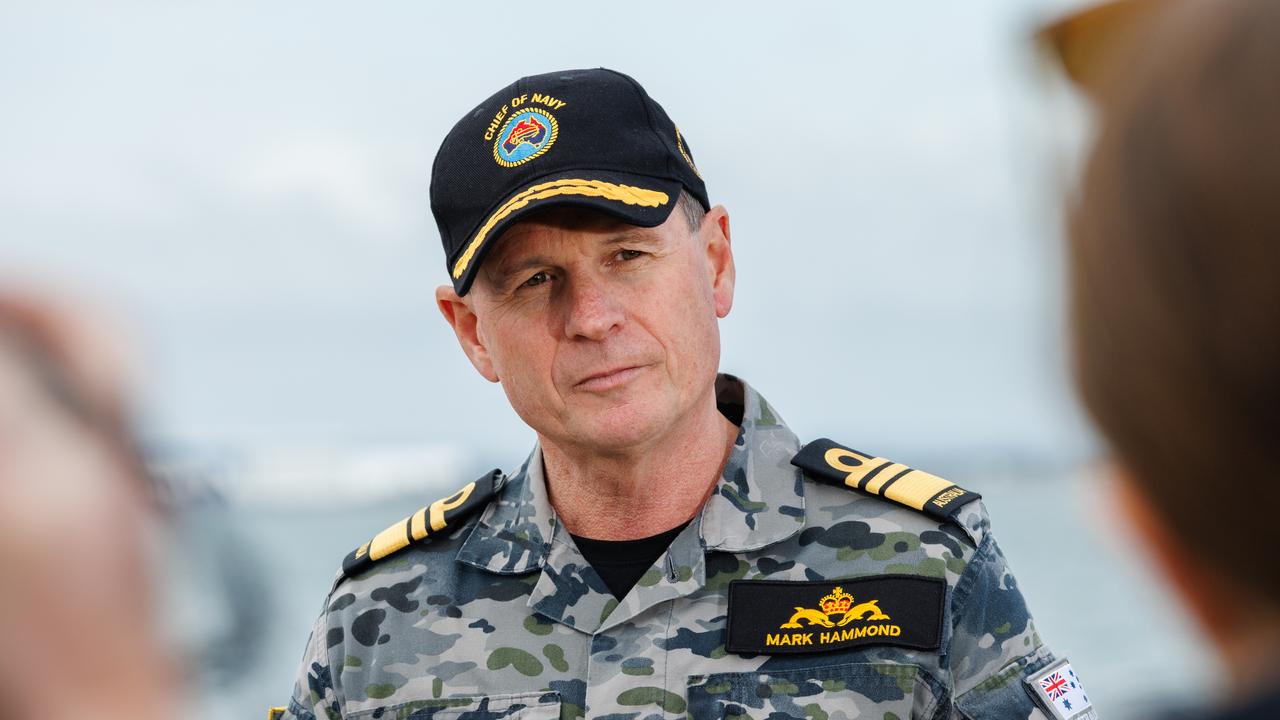
Vice Admiral Mark Hammond Named Next Australian Defence Chief
The appointment signals a pivot toward maritime security and naval capability. Investors should monitor future defense budget shifts and contract awards.
Continue with
A New Era for Australia’s Strategic Command
In a move signaling a pivot toward maritime security and regional stability, the Australian government has officially appointed Vice Admiral Mark Hammond as the next Chief of the Australian Defence Force (ADF). The transition marks the end of David Johnston’s two-year tenure, a period defined by significant geopolitical tension in the Indo-Pacific and the complex implementation of the AUKUS security pact.
Vice Admiral Hammond’s promotion from his previous role as Chief of Navy to the highest military post in the country underscores the government's focus on naval capability and maritime domain awareness. As Australia continues to navigate its role within the evolving security architecture of the region, the appointment of a seasoned maritime commander is being viewed by policy analysts as a strategic alignment with long-term defense priorities.
Contextualizing the Leadership Change
David Johnston’s time as Chief of the Defence Force (CDF) was characterized by the ongoing modernization of the ADF’s force structure. His tenure oversaw critical planning phases for the acquisition of nuclear-powered submarines and the integration of advanced technological platforms. However, the transition to Hammond suggests a desire for continuity in operational readiness while perhaps injecting a renewed focus on the specific challenges facing the Royal Australian Navy.
For the domestic defense sector, leadership changes at the top of the ADF often precede shifts in procurement priorities and operational doctrines. The appointment comes at a time when the Australian government has committed to record levels of defense spending, aiming to build a more resilient and capable defense force in the face of heightened regional competition.