Macro● Neutral
Strait of Hormuz Risk: U.S. Shifts to Forceful Maritime Strategy
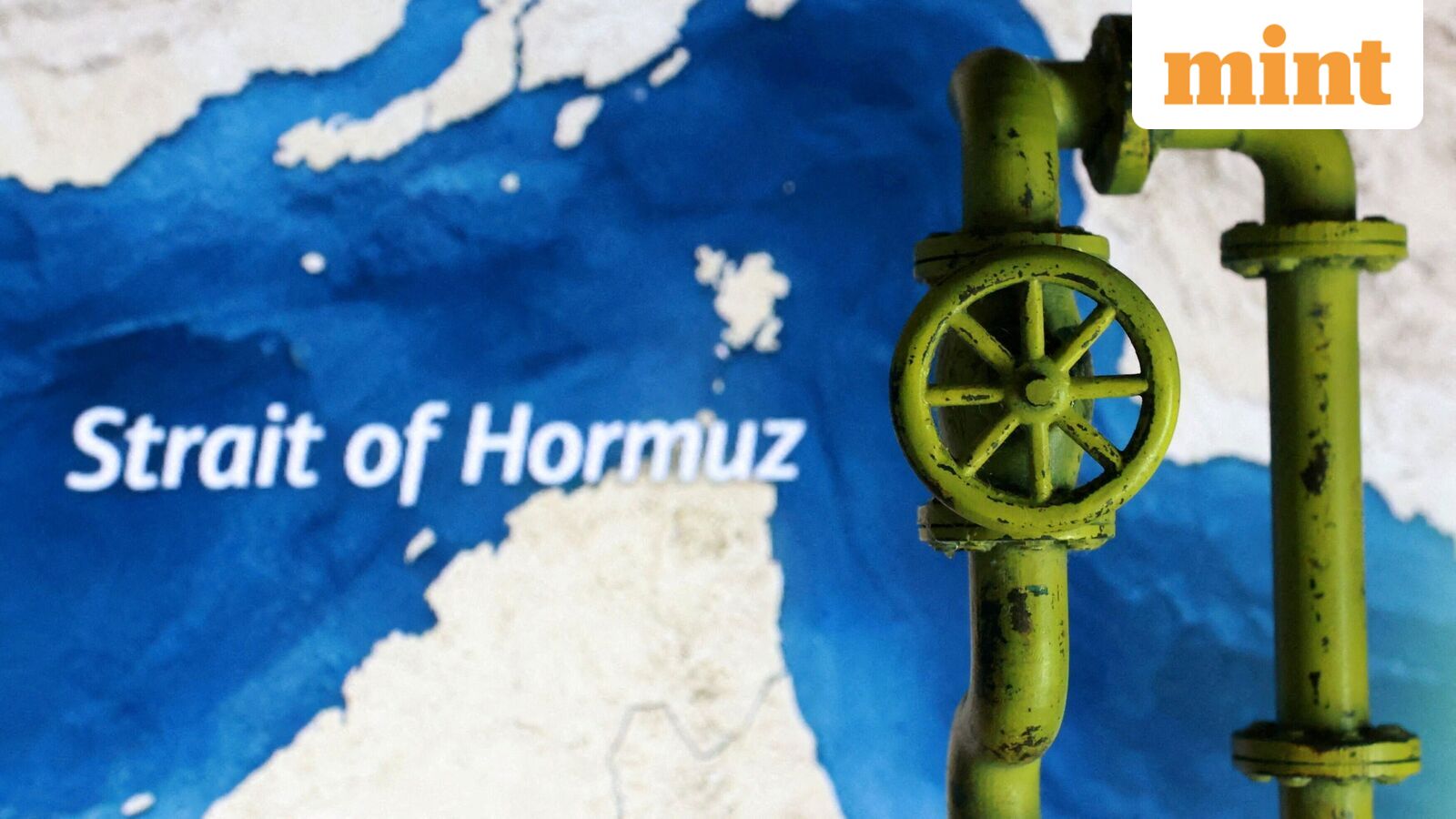
With 20% of global oil flowing through the chokepoint, the collapse of diplomacy signals a spike in risk premiums. Watch for volatility in energy futures.
Continue with
The Geopolitical Powder Keg Reopens
The collapse of high-stakes diplomatic efforts between Washington and Tehran has thrust the Strait of Hormuz back into the center of global market volatility. With peace talks officially stalled, the United States has signaled a shift toward a more muscular maritime strategy, indicating a willingness to forcefully ensure the free flow of trade through this critical chokepoint. For global energy markets and shipping logistics, the stakes could not be higher.
Approximately 20% of the world’s total oil consumption passes through this narrow waterway daily. Any disruption, whether through tactical blockade or kinetic conflict, poses an immediate threat to global energy security and price stability. As the U.S. pivots toward a posture of enforcement, traders are bracing for a period of heightened geopolitical risk premiums.
Diplomacy Fails, Tensions Rise
The breakdown of negotiations has left a vacuum that is rapidly being filled by military posturing. Following the collapse of the latest talks, both Washington and Tehran have engaged in a war of words, with each side accusing the other of destabilizing the region. The U.S. government has explicitly signaled that it is prepared to take necessary steps to keep the Strait open for trade cargo, a move that effectively puts the U.S. Navy on a collision course with Iranian naval forces.
This is not merely a regional dispute; it is a systemic risk factor. Historical precedents—such as the 'Tanker War' of the 1980s—demonstrate how quickly localized naval friction in the Strait of Hormuz can translate into massive spikes in Brent and WTI crude prices. The transition from diplomatic dialogue to the threat of forced passage marks a dangerous escalation that markets have been slow to fully price in.