Macro● Neutral
Strait of Hormuz Ceasefire: Why Global Shipping Costs May Drop
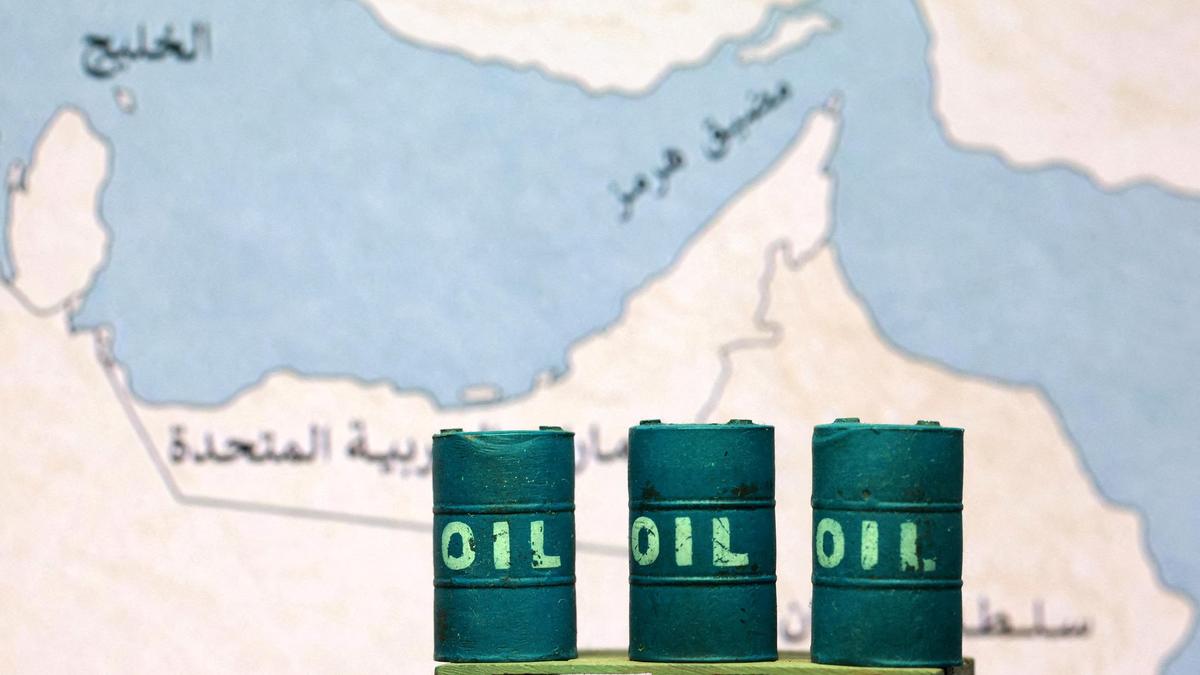
Normalization in the Persian Gulf could slash logistics overhead, impacting 20% of global oil flow. Watch insurance premiums for signs of supply chain relief.
Continue with
A Critical Pivot for Global Trade
The persistent volatility surrounding the Strait of Hormuz—a vital artery for global commerce—appears to be entering a period of stabilization. The Federation of Indian Export Organisations (FIEO) has formally signaled that the recent ceasefire between the United States and Iran is poised to alleviate the severe shipping disruptions that have plagued international trade routes in recent months. This de-escalation is viewed as a vital reprieve for exporters grappling with the compounding pressures of high freight costs and unpredictable transit timelines.
For traders and institutional investors, the reopening of secure transit through the Strait of Hormuz represents more than just a geopolitical headline; it marks a potential deflationary tailwind for logistics and energy-linked equities. The Strait, which handles roughly 20% of the world’s total oil consumption, has been a central point of friction that contributed to an significant risk premium in shipping rates globally.
The Cost of Disruption
To understand the magnitude of this shift, one must look at the operational reality for exporters over the past year. The heightened state of alert in the region forced many shipping vessels to reroute or endure prolonged delays, driving insurance premiums to historic highs and adding significant surcharges to container freight. These costs were not merely absorbed by shipping lines; they were passed down the supply chain, contributing to sticky inflationary pressures in the industrial and manufacturing sectors.
According to the FIEO, the normalization of activity in the region will allow for a more streamlined flow of goods. By reducing the need for evasive navigation and minimizing the risk-based surcharges applied to cargo moving through the Persian Gulf, exporters can expect a meaningful contraction in operational overhead. This adjustment is expected to improve margins for companies that rely on high-volume maritime trade, particularly those operating within the Asian-to-European corridors.