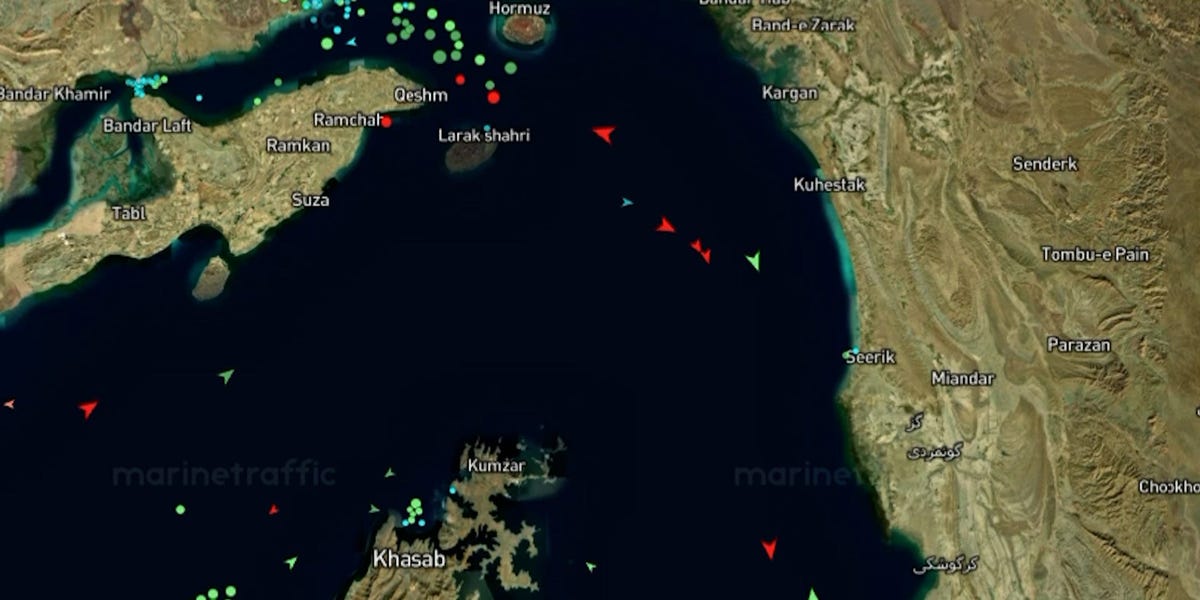
Markets React to Strait of Hormuz Blockade
Financial markets experienced a sharp reversal on April 13 as news emerged that the United States initiated a blockade of the Strait of Hormuz. The development triggered immediate turbulence across global exchanges, forcing investors to abandon earlier positions as the geopolitical risk profile shifted rapidly.
Equities displayed a volatile pattern throughout the session. Major indices initially faced selling pressure, but sentiment flipped during the trading day as participants recalibrated their exposure to energy-sensitive sectors. Traders monitoring the crude oil profile watched prices climb as the primary maritime chokepoint for global energy supplies faced restricted access.
The Economic Impact of Restricted Transit
The Strait of Hormuz serves as a vital artery for international energy trade. A disruption here carries immediate consequences for global supply chains. Market data from the session highlights the following reactions:
- Equities: Broad market indices swung from early losses to finish in positive territory.
- Energy: Crude oil prices saw an upward trend as the blockade threatened supply continuity.
- Volatility: Intra-day price swings remained elevated as news of the blockade circulated.
"Markets were volatile April 13, with stocks flipping from losses to gains and oil prices rising after the US began a blockade of the Strait of Hormuz."
Implications for Commodity Traders
For those active in commodities analysis, the situation requires a focus on supply security. When transit through the Strait of Hormuz is compromised, the cost of moving energy resources typically increases. Investors often flock to defensive assets during such periods of uncertainty, which explains the shifting appetite for risk seen in the stock market.
| Asset Class | Market Reaction | Primary Driver |
|---|
| Equities | Volatile; flipped to gains | Geopolitical uncertainty |
| Crude Oil | Price increase | Supply chain disruption |
What to Monitor Next
Market participants are now watching for further updates regarding the duration of the blockade. The primary concern is whether the restriction will remain localized or if it will trigger a broader escalation. As traders assess the impact, the correlation between energy costs and wider equity performance will likely remain a focal point for the coming sessions. Those seeking to hedge against further energy-related volatility may look toward the best commodities brokers to manage their positions effectively.