Commodities● Neutral
Spanish Pork Exports Stall as African Swine Fever Bans Spread
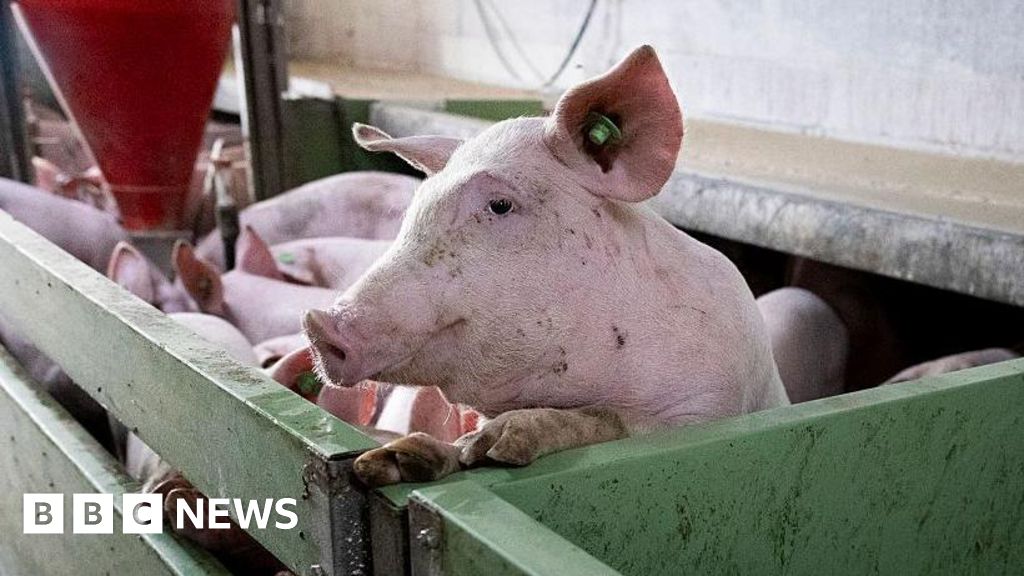
Major trade partners including the U.S. have suspended imports of Spanish pork. Producers now face intense pressure to restore biosecurity and regain access.
Continue with
Spain’s vital pork industry is currently navigating a period of intense uncertainty as the threat of African Swine Fever (ASF) looms over its export markets. The sector, which serves as a cornerstone of the national economy, is facing significant headwinds as international trade partners tighten restrictions to prevent the spread of the virus.
Global trade dynamics have shifted rapidly in response to the outbreak, with several major nations implementing strict bans on Spanish pork products. Among the countries that have already suspended imports from Spain is the United States. These trade barriers represent a major challenge for Spanish producers, who rely heavily on international demand to sustain their operations. Industry leaders are now working to mitigate the fallout, aiming to maintain biosecurity standards that might reassure foreign regulators and eventually lead to the reversal of these import prohibitions. As the situation evolves, the economic impact on one of the world’s leading pork exporters remains a primary concern for both agricultural stakeholders and government officials.