Macro● Neutral
South Korea Debt to Surge 121 Trillion Won Annually by 2030
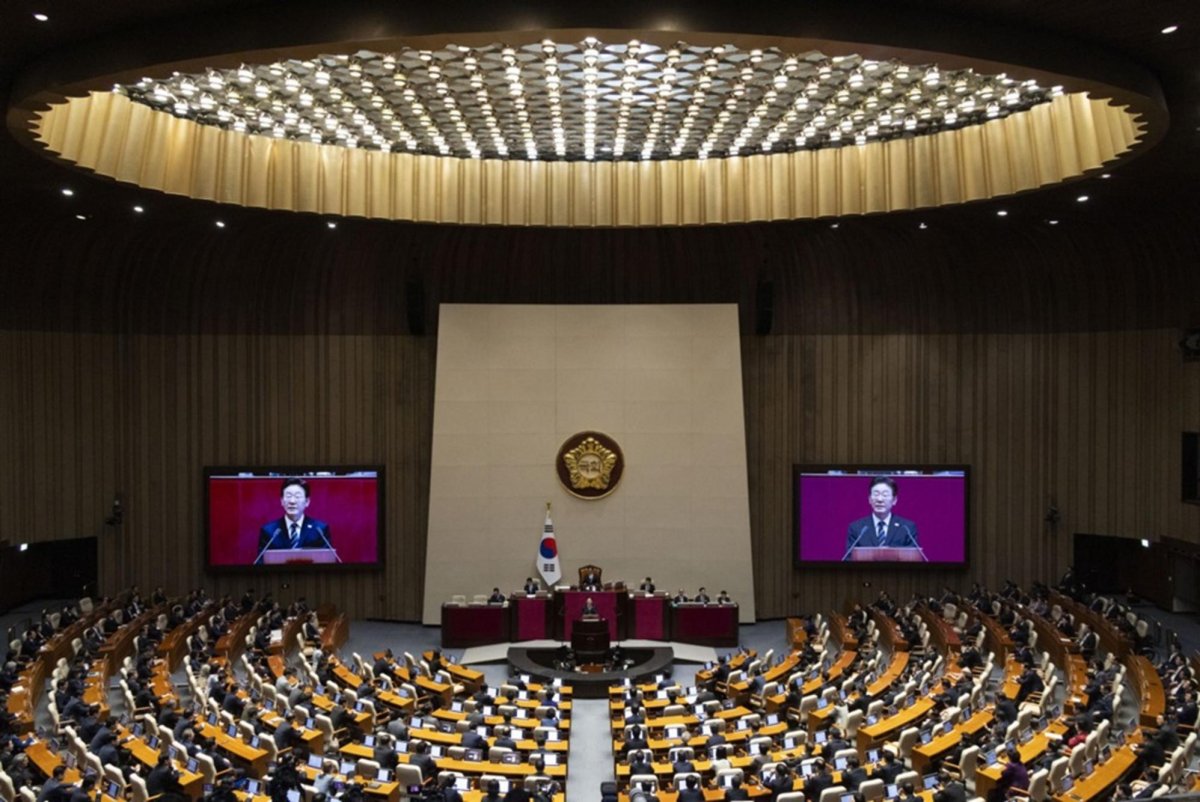
The nation's debt-to-GDP ratio is set to hit 60% as demographic shifts pressure the balance sheet. Watch for pension reforms to mitigate sovereign risk.
Continue with
A Looming Fiscal Challenge
South Korea is facing a mounting fiscal challenge as long-term projections indicate that the nation’s total debt burden is set to escalate significantly. According to the latest government forecasts, the national debt is expected to expand by an average of 121 trillion won ($87 billion USD) every year. This sustained increase in borrowing is rapidly pushing the country toward a critical threshold, with the debt-to-GDP ratio projected to approach the 60% mark by 2030.
This trajectory underscores a broader structural shift in the South Korean economy. While the nation has historically maintained a reputation for fiscal prudence compared to other G20 counterparts, the combination of a rapidly aging population, slowing economic growth, and increased public spending requirements is putting immense pressure on the national balance sheet.
The Drivers of Debt Accumulation
The 121 trillion won annual increase is not merely a product of short-term fiscal stimulus but reflects deep-seated demographic headwinds. South Korea currently holds the world's lowest fertility rate, a factor that necessitates higher social welfare spending while simultaneously shrinking the tax base. As the working-age population declines, the government faces the dual challenge of funding an expansive pension system and healthcare infrastructure while attempting to remain competitive in the global technology and manufacturing sectors.
For investors, this shift represents a departure from the fiscal conservatism that historically stabilized the South Korean won. The move toward a 60% debt-to-GDP ratio—a level often cited by economists as a psychological and practical warning line for emerging and developed economies—suggests that the Ministry of Economy and Finance will have less room to maneuver in the event of future global economic shocks.