Macro● Neutral
Why Fragile Ceasefires Create Asymmetric Trading Opportunities
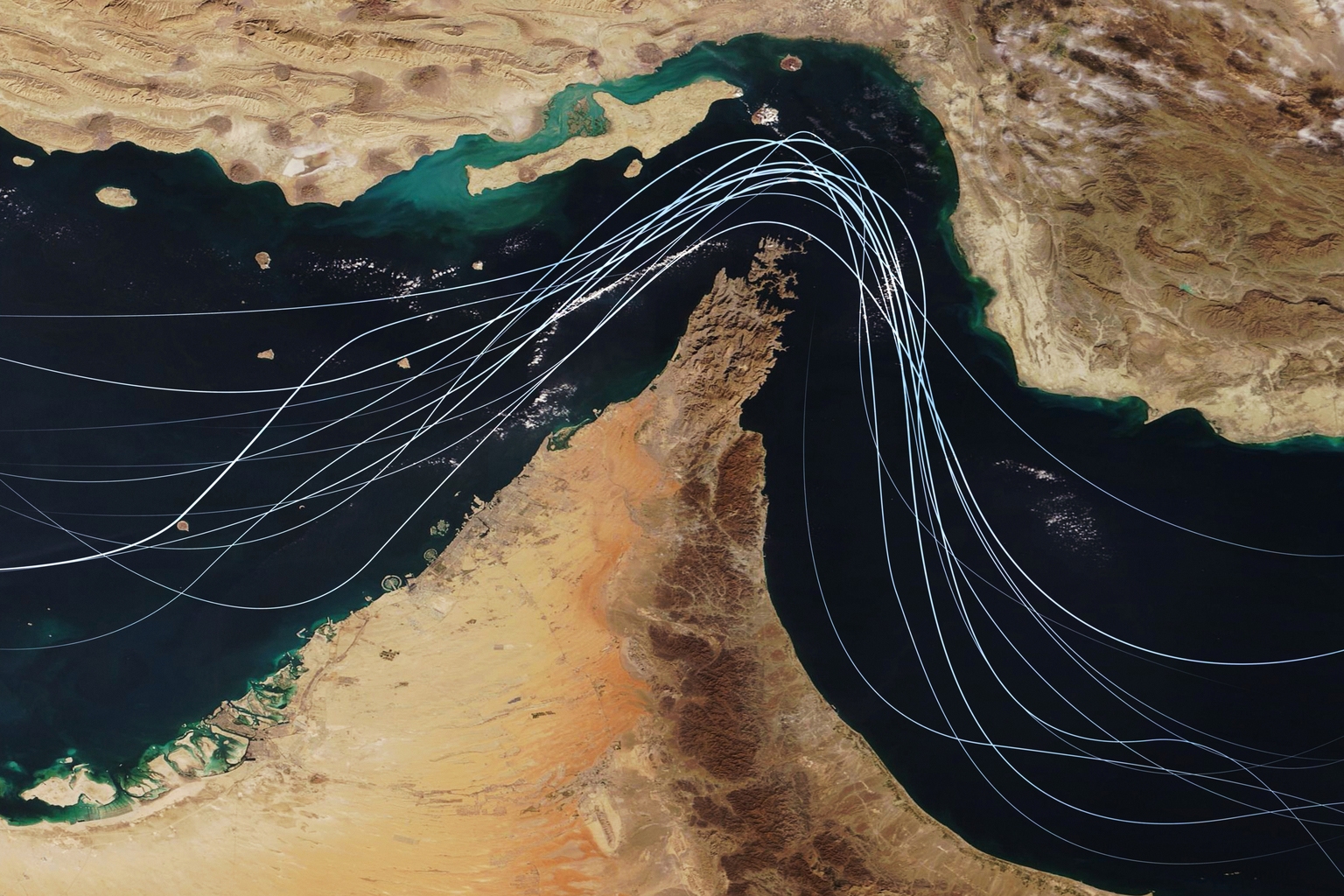
Market complacency often masks rising geopolitical risks. Use gold and energy futures to hedge against volatility before the next shift in regional rhetoric.
Continue with
The Geopolitical Risk Gap
Markets often price in stability faster than reality warrants. A ceasefire may look like a return to business as usual, but the gap between investor complacency and the actual situation on the ground creates opportunities for asymmetric returns. Traders who ignore the fragility of these agreements often leave money on the table when volatility inevitably returns to the market analysis desk.
Understanding the Fragility of Peace
Ceasefire agreements rarely resolve the root causes of conflict. They function as temporary pauses. When market participants treat these events as permanent resolutions, they discount the risk of a sudden reversal. A disciplined approach requires identifying assets that react sharply to renewed tension while keeping exposure to cyclical sectors in check.
Key Indicators to Monitor
Investors should keep a close watch on specific asset classes that serve as barometers for regional instability. When the news flow turns negative, these instruments often experience the most immediate price action:
- Safe-haven currencies: Often see a flight to quality.
- Precious metals: Positions in the gold profile tend to appreciate as risk premiums rise.
- Energy futures: The crude oil profile remains sensitive to supply chain disruptions in conflict zones.