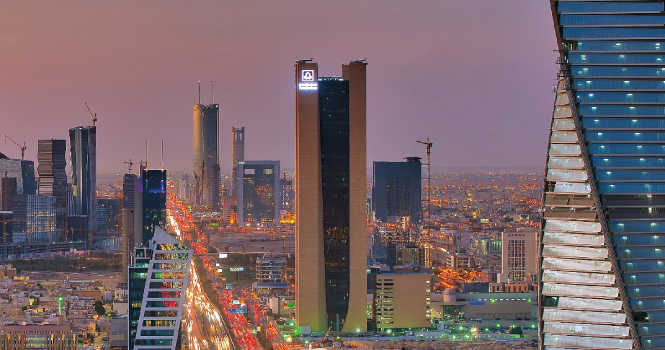
Growth in the Hospitality Sector
Saudi Arabia’s hospitality sector recorded a steady rise in room demand during the final months of 2025. According to data from the General Authority for Statistics (GASTAT), the national hotel occupancy rate reached 57.3% in the fourth quarter. This represents a measured increase from the 56% reported during the same period in 2024.
This uptick reflects the broader push to expand the Kingdom’s tourism infrastructure. Investors tracking market analysis often monitor these hospitality metrics as a proxy for both domestic consumer spending and international visitor volume.
Key Metrics at a Glance
The shift in occupancy figures highlights a consistent performance trend across the Kingdom's property portfolio. While the gain appears modest on a percentage basis, it signals a functional increase in room nights sold as supply continues to grow.
| Metric | Q4 2024 | Q4 2025 |
|---|
| Occupancy Rate | 56.0% | 57.3% |
| Year-over-Year Change | - | +1.3% |
Market Implications for Traders
For those monitoring regional equities, the hospitality data serves as a barometer for the success of Vision 2030 initiatives. High occupancy rates typically correlate with stronger quarterly earnings for major hotel operators and real estate investment trusts (REITs) listed on the Saudi Exchange.
The rise in hotel utilization is a direct outcome of increased event hosting and the diversification of leisure activities across major cities.
Traders should consider the following factors when assessing the impact of these figures on the wider market:
- Seasonality of Demand: Q4 is frequently a period of high domestic tourism in the Kingdom due to favorable weather conditions.
- Capacity Expansion: New property openings often put pressure on occupancy percentages, making the year-over-year increase particularly notable.
- Revenue Per Available Room (RevPAR): While occupancy is a critical indicator, the next reporting phase will likely focus on average daily rates to determine total revenue growth.
Future Considerations
As the sector matures, the focus will shift toward the sustainability of these occupancy gains. Analysts are watching to see if the market can maintain these levels as additional inventory enters the pipeline throughout 2026. If the current trend persists, it could provide a lift to related sectors, including transport and retail, which often see increased activity alongside higher hotel bookings. Similar shifts in consumer behavior are being observed in other sectors, such as how RBC Shifts Card Loyalty Focus from Points to Travel Rewards to capture changing spending habits.