A Strategic Pause in Uncertain Times
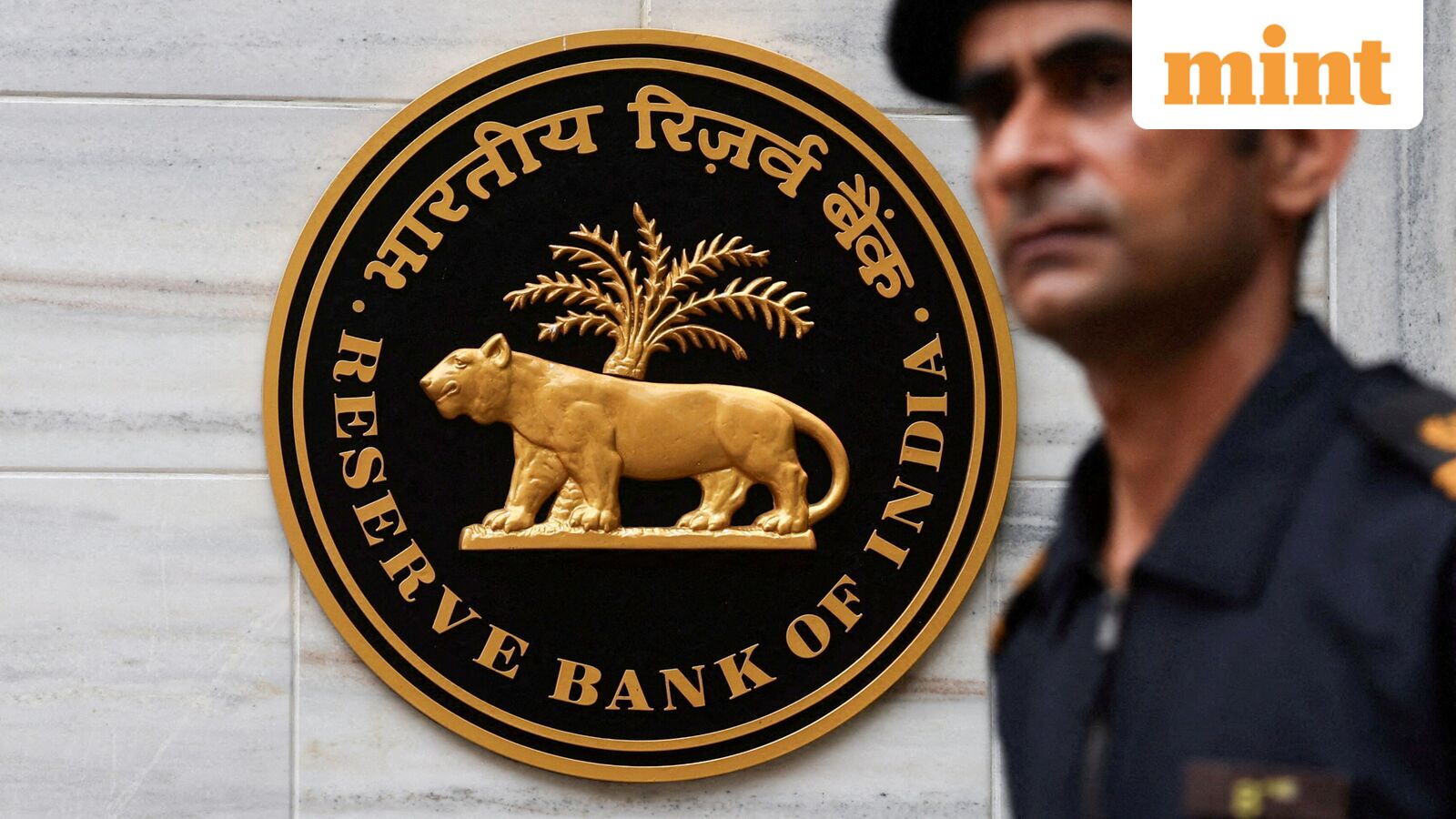
The Reserve Bank of India (RBI) has opted for a measured approach, maintaining the repo rate at its current level. This decision, emerging from the Monetary Policy Committee (MPC), serves as a deliberate signal of caution amidst a global landscape fraught with geopolitical friction. While a tentative ceasefire between the U.S. and Iran has provided a momentary reprieve, the lingering "war haze" continues to darken the outlook for emerging markets, necessitating a defensive posture from India’s central bank.
For market participants, the RBI’s decision to stand pat is not merely an exercise in status quo policy; it is a calculated response to the persistent economic uncertainty that threatens to disrupt domestic growth trajectories. By choosing to hold rates, the MPC is prioritizing stability, acknowledging that premature shifts in monetary policy could exacerbate the volatility currently rippling through global trade corridors.
The Geopolitical Context and the 'War Haze'
The central bank’s decision must be viewed through the lens of the heightened tensions in the Middle East. Even with signs of de-escalation, the region remains a powder keg. For India, a net importer of energy, any disruption in supply chains or a spike in crude oil prices directly impacts the current account deficit and inflationary pressures. The "war haze" mentioned by policymakers underscores the reality that structural risks remain elevated; price stability is a moving target when external shocks are frequent and unpredictable.
Historically, the RBI has shown a preference for balancing growth with price stability. However, the current environment is significantly more complex than standard business cycles. The MPC’s decision reflects an understanding that the clearing of this geopolitical fog will take time, and until then, keeping the repo rate unchanged provides a necessary anchor for the economy.
Currency Vulnerabilities and Fiscal Responsibilities
A critical component of the RBI’s deliberation is the ongoing weakness of the Indian Rupee (INR). As global investors seek safety in the U.S. dollar, emerging market currencies often face significant downward pressure. A depreciating rupee threatens to import inflation, effectively tightening financial conditions without the central bank having to move a single basis point.
However, monetary policy has its limits in defending a currency. While the RBI can manage volatility through forex market interventions, the long-term health of the rupee requires broader structural support. This is where the role of the central government becomes paramount. Analysts suggest that while the RBI has done what is "apt" in terms of monetary steering, the Centre may need to implement complementary fiscal measures to bolster investor confidence and improve the underlying economic fundamentals. Relying solely on the central bank to manage macro-stability is a risky strategy; fiscal prudence and targeted economic reforms are now essential to provide the economy with a more robust defense against external shocks.
Market Implications: What Traders Should Watch
For traders and institutional investors, the RBI’s stance signals a "wait-and-see" period. The lack of rate movement suggests that the central bank is currently prioritizing the avoidance of policy errors in a volatile environment rather than attempting to stimulate or cool the economy aggressively.
Looking ahead, market participants should remain hyper-focused on three key indicators:
- Crude Oil Price Volatility: Any renewed spike in energy prices will likely force the RBI to reconsider its inflation projections.
- INR Performance: Persistent weakness against the dollar could force the RBI to become more aggressive in its forex interventions, potentially impacting banking system liquidity.
- Fiscal Policy Announcements: Investors will be scrutinizing the government's upcoming fiscal maneuvers to see if they align with the RBI’s cautious stance.
As the dust settles from recent geopolitical skirmishes, the RBI remains on high alert. The path forward remains narrow, requiring a synchronized effort between monetary restraint and fiscal agility to navigate the choppy waters of the current global economy.