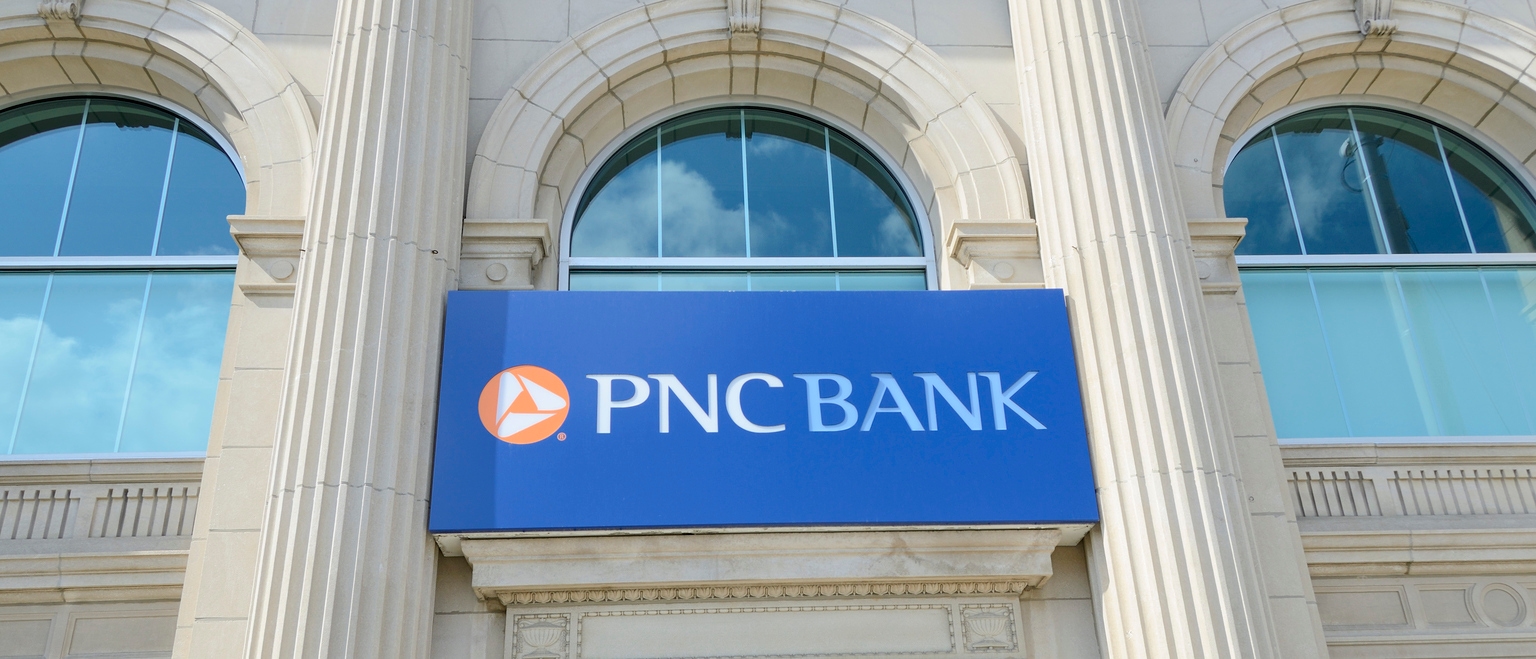
A Pivotal Moment for PNC Financial
As the financial sector braces for the Q1 2026 earnings cycle, PNC Financial Services Group (NYSE: PNC) has emerged as a focal point for institutional investors and retail traders alike. The Pittsburgh-based banking giant enters the quarter with a narrative defined by disciplined credit management and aggressive geographic expansion. With the integration of the FirstBank acquisition now moving to the forefront of its operational strategy, market participants are closely scrutinizing whether the stock’s current valuation accurately reflects its enhanced deposit-gathering capabilities and long-term earnings potential.
The Strategic Impact of the FirstBank Acquisition
The cornerstone of PNC’s current momentum is its strategic acquisition of FirstBank. This move is not merely a balance sheet expansion; it represents a deliberate effort to strengthen the bank’s footprint in key growth markets. By absorbing FirstBank’s assets, PNC has successfully bolstered its deposit base—a critical metric in the current high-interest-rate environment where the cost of funds remains a primary headwind for regional and national lenders.
For investors, the acquisition serves as a catalyst for future net interest margin (NIM) stability. By deepening its penetration in these new territories, PNC is better positioned to cross-sell its suite of commercial and retail banking products, effectively diversifying its revenue streams against localized economic shifts. Analysts are particularly focused on how the cost synergies from this merger will manifest in the upcoming Q1 report, as the market looks for evidence of improved operational efficiency.
Credit Quality and Earnings Resilience
Beyond the acquisition, PNC’s internal fundamentals paint a picture of stability. Throughout the previous fiscal year, the bank demonstrated a robust ability to manage credit risk, maintaining a conservative loan-loss provision strategy even as broader industry concerns regarding commercial real estate (CRE) exposure persisted.
This "steady-hand" approach to lending has provided a cushion, allowing PNC to report consistent earnings growth. As we approach the Q1 2026 disclosure, the critical question for the street is whether this credit performance can be sustained. Stable credit metrics are the lifeblood of bank valuations; should PNC report low charge-off rates and resilient asset quality, it would likely reinforce the bullish sentiment surrounding the stock, potentially decoupling its performance from the volatility often seen in the broader mid-cap banking sector.
Market Implications: What Traders Should Watch
For those monitoring PNC ahead of its earnings release, the focus should remain on three distinct metrics:
- Deposit Growth: The direct impact of the FirstBank integration on the bank’s total deposit volume.
- Net Interest Margin (NIM): Any compression or expansion here will indicate how effectively management is navigating the current rate environment.
- Provision for Credit Losses: Any unexpected increase in reserves could signal management's concern over the economic outlook, even if the underlying loans remain performing.
Historically, banking stocks are highly sensitive to guidance regarding the remainder of the fiscal year. Traders should be prepared for potential volatility in the immediate aftermath of the Q1 release, as the market reconciles the bank’s actual performance against the guidance set during the previous quarter.
Forward-Looking Analysis
Looking ahead, the narrative for PNC is one of transition. If the bank can successfully leverage its expanded footprint to drive organic growth while maintaining its historically strong credit profile, it may well outperform its peers. However, investors must remain cognizant of the broader macroeconomic backdrop—specifically, central bank policy shifts that could impact loan demand and net interest income. As the Q1 2026 earnings date approaches, PNC stands at a crossroads, with the potential to validate its growth-by-acquisition strategy or face scrutiny over the integration costs and long-term value creation for shareholders.