Back to Markets
Macro● Neutral

Orbán Era Ends: Hungary Shifts Toward EU Alignment Under Péter Magyar

April 12, 2026 at 09:05 PMBy AlphaScalaSource: fortune.com
Orbán Era Ends: Hungary Shifts Toward EU Alignment Under Péter Magyar

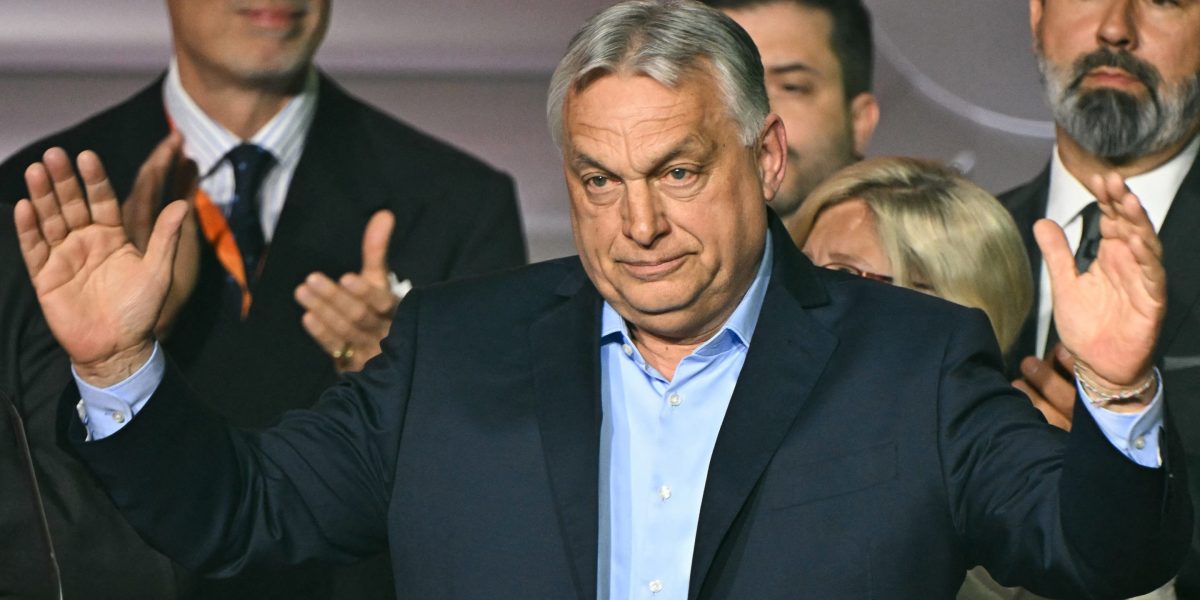
Hungarian voters have ousted long-time leader Viktor Orbán in favor of Péter Magyar, who has committed to restoring ties with the EU and NATO despite an active campaign push from U.S. Senator JD Vance.

A Geopolitical Pivot for Central Europe

In a seismic shift for Central European politics, Hungarian voters have officially ousted long-time Prime Minister Viktor Orbán, ending a tenure that defined the nation’s increasingly contentious relationship with Western institutions. The election results, which have sent shockwaves through Brussels and Washington, signal a decisive move away from Orbán’s self-styled 'illiberal democracy' and toward a renewed integration with the European Union and NATO.

The victory of Péter Magyar represents more than just a change in leadership; it is a fundamental rejection of the populist-nationalist framework that Orbán cultivated over his fourteen years in power. Orbán, who frequently positioned himself as a key ideological ally to Donald Trump and Vladimir Putin, found his domestic support eroded by persistent economic stagnation and a growing desire among Hungarian voters for restored diplomatic standing within the transatlantic alliance.

The Failure of the 'MAGA' Endorsement

Notably, the campaign saw an unprecedented level of external intervention, including a high-profile push from U.S. Senator JD Vance. Despite Vance’s vocal support and attempts to leverage the influence of the American 'MAGA' movement to bolster Orbán’s campaign, the strategy failed to resonate with the Hungarian electorate. For international observers, this outcome serves as a critical data point regarding the limits of ideological export in European elections, suggesting that domestic bread-and-butter issues—and the desire for EU stability—outweighed the influence of foreign political endorsements.

Rebuilding Institutional Bridges

Following his victory, Péter Magyar has wasted no time in outlining his primary policy objectives. In his first public statements, Magyar explicitly pledged to rebuild Hungary’s fractured relationships with the European Union and NATO. For years, Hungary has been mired in disputes with Brussels over the rule of law, leading to the withholding of billions in EU funding.

Magyar’s platform suggests an imminent pivot toward fiscal and legal alignment with EU mandates. For investors and traders, this is a significant development. A thawing of relations with the European Commission could unlock essential recovery funds, potentially stabilizing the Hungarian Forint (HUF) and reducing the risk premium currently priced into Hungarian sovereign debt.

Market Implications and Future Outlook

What does this mean for the markets? The immediate market reaction will likely focus on the Hungarian Forint and the country’s bond yields. Markets typically favor stability and predictable institutional frameworks; a pivot toward Brussels suggests a lower risk of future sanctions and a more favorable environment for foreign direct investment (FDI).

However, the transition will not be without friction. Orbán’s supporters remain a significant political bloc, and the process of unwinding years of institutional restructuring will be complex. Traders should closely monitor the following developments in the coming weeks:

  1. EU Funding Negotiations: Any positive signal from the European Commission regarding the release of frozen funds will be a major catalyst for the HUF.
  2. Diplomatic Realignments: Watch for official statements from the Hungarian government regarding defense spending and cooperation with NATO, which will signal the speed of the geopolitical reversal.
  3. Domestic Policy Shifts: Early legislative moves by Magyar regarding judicial independence will be the primary metric for international rating agencies determining the country’s credit outlook.

As Hungary moves away from the orbit of Moscow and the populist wing of U.S. politics, the country enters a period of high volatility but significant potential for institutional renewal. For those tracking emerging markets in Central and Eastern Europe, the 'Magyar transition' is the most significant geopolitical event in the region in over a decade.