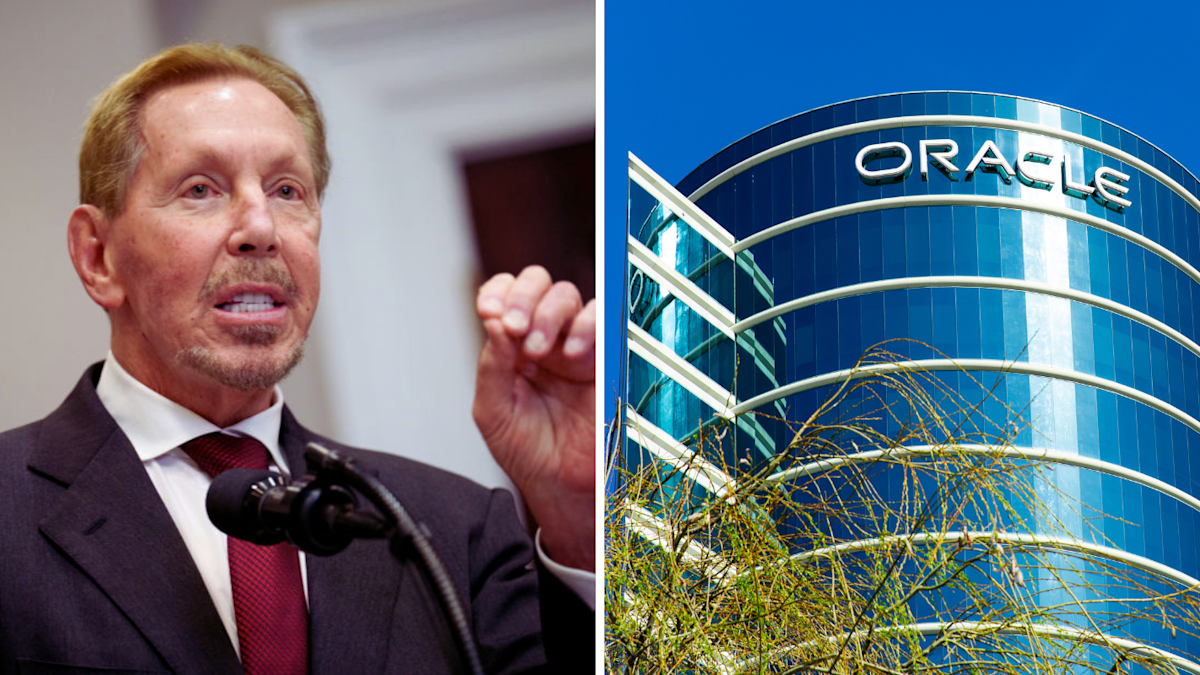
A Tale of Two Strategies: Executive Grants Amidst Efficiency Drives
Oracle Corporation is facing renewed scrutiny regarding its internal labor practices following the disclosure that newly appointed CFO, Safra Catz’s successor and current leadership team members, received substantial equity compensation packages totaling $26 million in stock. The grants arrive on the heels of a broad-based workforce reduction initiative, sparking internal dissent and raising questions about the company’s capital allocation priorities during periods of aggressive cost-cutting.
According to internal reports and employee testimonies, the recent layoffs were not entirely discretionary. Staff members have alleged that an automated system—described by some as an “algorithm”—was utilized to identify and terminate employees. Notably, workers who held significant unvested stock options were reportedly prioritized for separation, a move that critics argue was designed to strip employees of equity while simultaneously inflating the company’s bottom line.
Financial Performance vs. Labor Sentiment
The timing of these personnel decisions stands in stark contrast to Oracle’s robust financial health. In its most recent fiscal reporting, the tech giant posted a staggering 95% jump in net profit, underscoring its success in pivoting toward cloud infrastructure and high-margin enterprise software. However, this profitability has created a friction point with the workforce, particularly as the company continues to expand its reliance on international labor pools.
Simultaneously with the domestic layoffs, Oracle filed 3,100 H-1B visa petitions. For investors and market analysts, this signals a clear strategic shift: the company is actively rebalancing its human capital toward regions or roles that offer lower operational expenditures, even as the firm enjoys record-setting profitability. For traders, this highlights a management team laser-focused on margin expansion at the expense of corporate sentiment.
Market Implications and Investor Sentiment
For the investment community, Oracle’s strategy is a double-edged sword. On one hand, the aggressive management of operating expenses (OpEx) is a primary driver of the earnings growth that has kept Oracle stock competitive in an increasingly crowded cloud-computing landscape. The 95% profit surge is exactly the type of data point that institutional investors look for when evaluating the efficacy of a turn-around or growth-acceleration plan.
However, the reliance on algorithmic termination processes and the optics of multimillion-dollar executive grants during mass layoffs carry significant reputational risk. In the current ESG-conscious market environment, such moves can lead to increased volatility and potential pushback from institutional shareholders who monitor corporate governance standards. Traders should note that while these actions bolster short-term EPS figures, they may also serve as a leading indicator of potential cultural attrition, which can impact long-term innovation and R&D velocity.
What to Watch Next
As Oracle continues to integrate these operational efficiencies, the primary focus for the market will be the sustainability of its profit margins. Investors should pay close attention to the company’s next earnings call, specifically looking for management commentary regarding headcount stabilization and the long-term impact of its H-1B visa strategy on operational stability.
Furthermore, the legal and public relations fallout from the employee allegations regarding the termination algorithm could lead to increased regulatory oversight. Should these practices trigger labor investigations or class-action scrutiny, the resulting uncertainty could provide a headwind for the stock, overriding the positive sentiment generated by recent earnings beats. Traders are advised to watch for any shifts in executive communication regarding human capital management as a barometer for how the company plans to balance growth with corporate social responsibility.