Macro● Neutral
Rutte-Trump Meeting Signals Shift in NATO Defense Spending
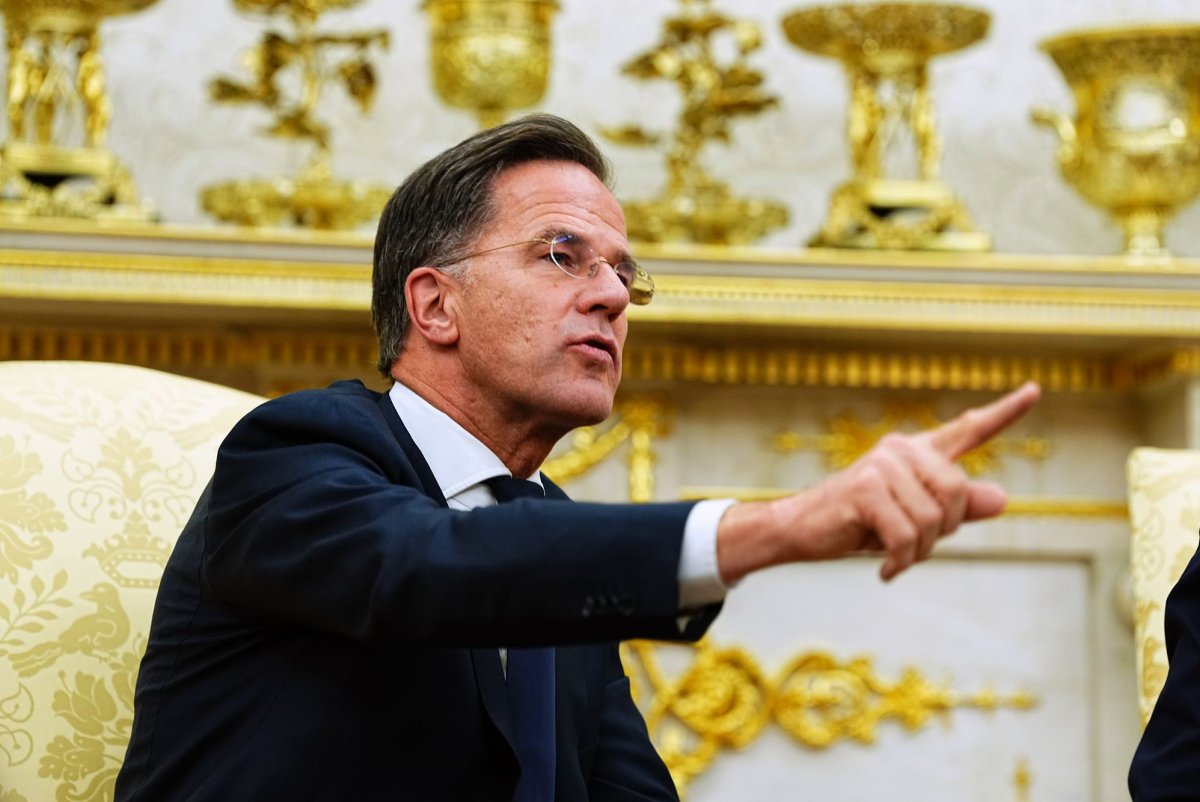
Investors brace for volatility in CL and DXY as the U.S. demands increased European burden-sharing. Watch for policy shifts on Iran to dictate energy trends.
Continue with
A High-Stakes Diplomatic Pivot
NATO Secretary General Mark Rutte arrived in Washington this week for a pivotal meeting with President-elect Donald Trump, a session designed to bridge the chasm between the trans-Atlantic alliance and the incoming U.S. administration. The visit comes at a volatile juncture in global geopolitics, marked by escalating tensions with Iran and lingering skepticism from the Trump camp regarding the United States’ financial and military commitments to the alliance.
For months, the prospect of a Donald Trump presidency has cast a shadow over NATO’s strategic cohesion. During his previous term and throughout his 2024 campaign, Trump frequently leveled sharp criticism at the defensive pact, at times suggesting that the U.S. might reconsider its membership—or its commitment to the collective defense clause—if European allies did not meet their defense spending benchmarks. Rutte’s mission is clear: to reaffirm the enduring importance of the alliance while navigating the transactional, 'America First' approach that defines Trump’s foreign policy doctrine.
The Iran Factor and Geopolitical Risk
The timing of this summit is underscored by a precarious escalation in tensions involving Iran. As the Islamic Republic continues to project influence across the Middle East, the intersection of regional instability and NATO’s strategic focus on European security has become increasingly blurred. For traders and institutional investors, the proximity of the next U.S. administration to the NATO leadership is a bellwether for how the West will respond to potential supply chain disruptions and energy market instability in the Persian Gulf.
Markets are currently pricing in a high degree of geopolitical risk. Defense sector stocks and energy commodities remain sensitive to any rhetoric emanating from these high-level meetings. Any signal that the U.S. might pivot toward a more isolationist stance could trigger significant volatility in bond yields and currency markets, particularly if European nations are forced to rapidly accelerate their own defense-related fiscal expenditures.