Commodities● Neutral
Saudi Crude Exports to China Face 50% Cut Amid Middle East Crisis
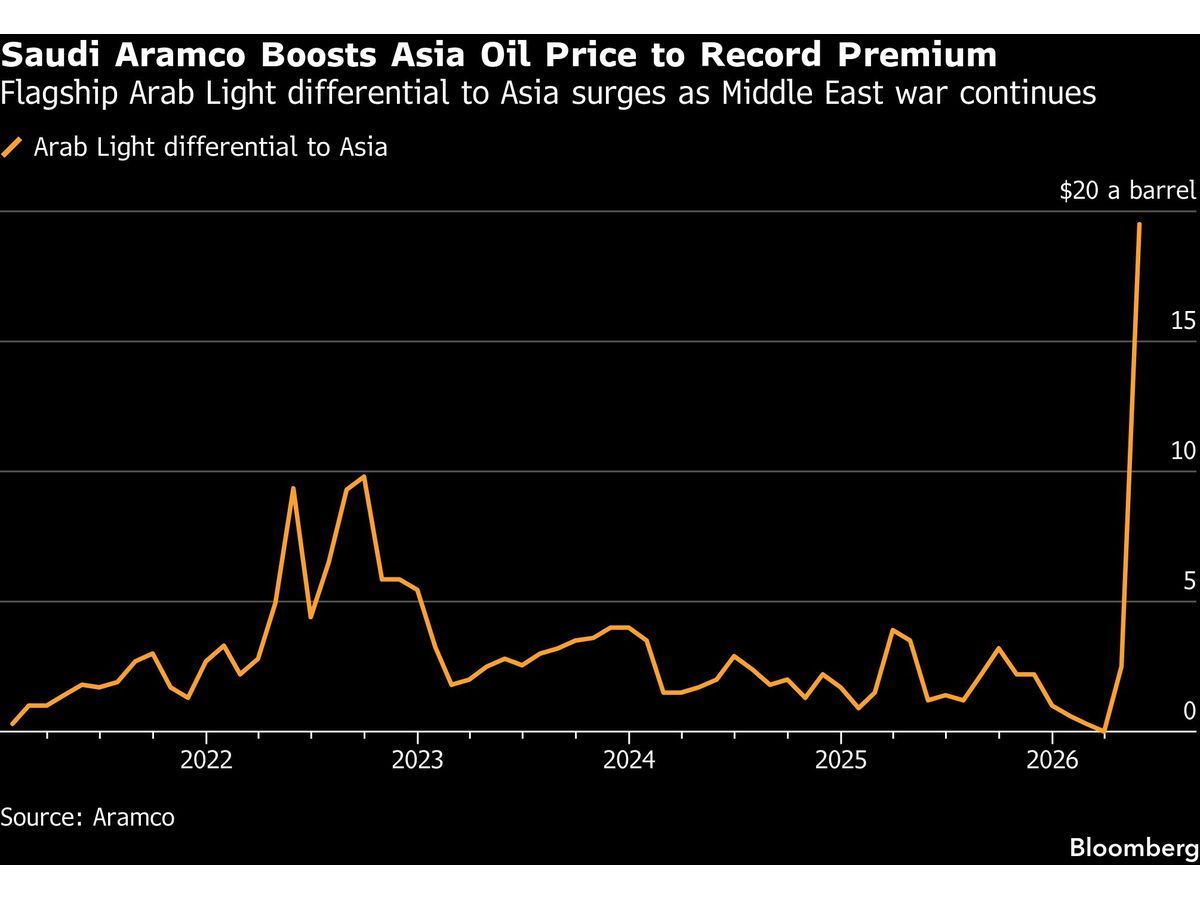
Geopolitical instability forces a 50% drop in Saudi oil shipments to China. Traders should monitor shifting crude grade spreads as regional risks escalate.
Continue with
A Shift in Global Energy Logistics
The delicate balance of the global energy market is facing a significant recalibration as geopolitical instability in the Middle East forces a dramatic shift in crude oil trade routes. Saudi Arabia, the world’s largest oil exporter, is poised to see its crude shipments to China—the world’s top oil importer—plummet by approximately 50% next month. This sharp reduction, confirmed by traders familiar with the matter, highlights the escalating impact of the regional conflict on global supply chains and pricing mechanisms.
As the crisis in the Middle East intensifies, the threat to maritime security, particularly near the Strait of Hormuz, has injected a volatility premium into crude oil prices. This surge in costs, combined with logistical complexities, is compelling buyers to reassess their procurement strategies, favoring shorter-haul suppliers or alternative sources to mitigate the risks associated with long-range tanker transit through volatile corridors.
The Price of Instability
The market’s reaction to the potential supply disruption has been swift. Brent and WTI benchmarks have experienced upward pressure as traders price in the "Hormuz risk." For energy-hungry economies like China, the increased cost of Saudi crude—compounded by rising insurance premiums and shipping rates—is rendering these long-distance contracts less attractive compared to domestic production or regional alternatives.
Historically, Saudi Arabia has maintained a dominant market share in China’s import portfolio. However, the current situation underscores a growing trend of diversification among Asian importers. When supply chains are disrupted, the natural reaction for large-scale industrial consumers is to pivot toward stability, even if it requires paying a premium for proximity or supply chain security.