Commodities● Neutral
Middle East Conflict Drives Russia’s Crude Oil Revenue Windfall
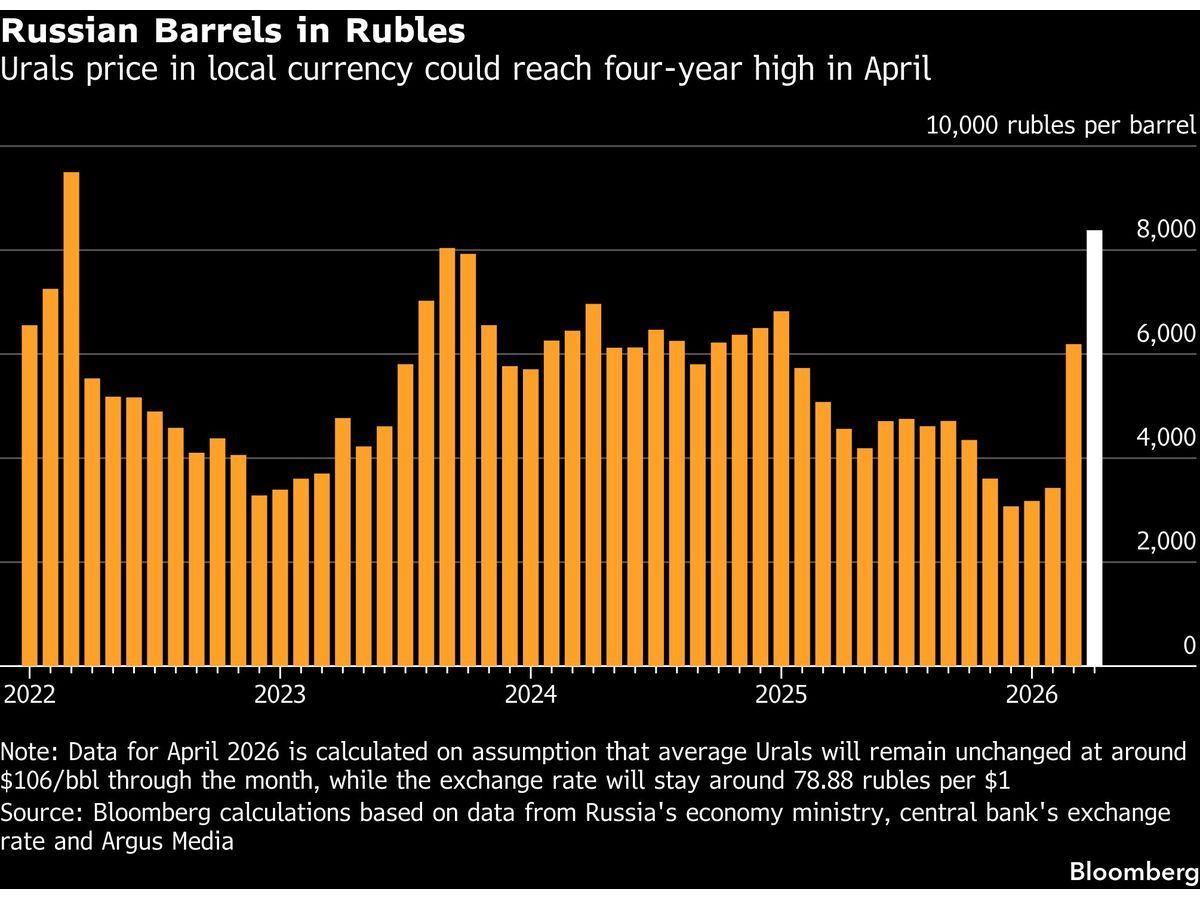
Higher global crude prices are padding the Kremlin's budget as regional instability persists. Watch upcoming export data to gauge the trend's durability.
Continue with
Moscow’s Growing Energy Windfall
Russia is currently on track to secure another substantial oil-tax windfall. The ongoing conflict in the Middle East has provided a direct catalyst for higher global prices, which in turn elevates the value of Russian crude shipments. As regional instability persists, the demand for Russian energy supplies remains stubborn, filling the state’s coffers despite international sanctions.
Market Price Drivers
Global energy markets are reacting to the heightened geopolitical risk. Traders monitoring the crude oil profile have seen volatility spike as the threat of supply disruptions in the Middle East grows. Because Russia continues to export high volumes of crude, any increase in the per-barrel price translates directly into higher tax levies for the Kremlin.
Key Revenue Factors
- Global Price Floor: The Middle East conflict acts as a support level for crude prices.
- Export Volume: Russian crude continues to find buyers despite Western price caps.
- Fiscal Impact: Higher realized prices directly expand the Russian national budget.
Investors looking for the best platforms to track these moves often review best commodities brokers to manage their exposure during these periods of high volatility. While the gold profile often acts as a hedge during conflict, oil remains the primary driver of Russia's current fiscal strength.