Back to Markets
Macro● Neutral

Middle East Conflict 'Baked' Into Global Economy, IMF Warns as Energy Risks Mount

April 13, 2026 at 01:17 AMBy AlphaScalaSource: businessinsider.com
Middle East Conflict 'Baked' Into Global Economy, IMF Warns as Energy Risks Mount

The IMF warns that the economic impact of the ongoing conflict in the Middle East is already embedded in the global outlook, with damaged oil infrastructure likely causing multi-year supply chain disruptions.

The Shadow of Geopolitical Instability

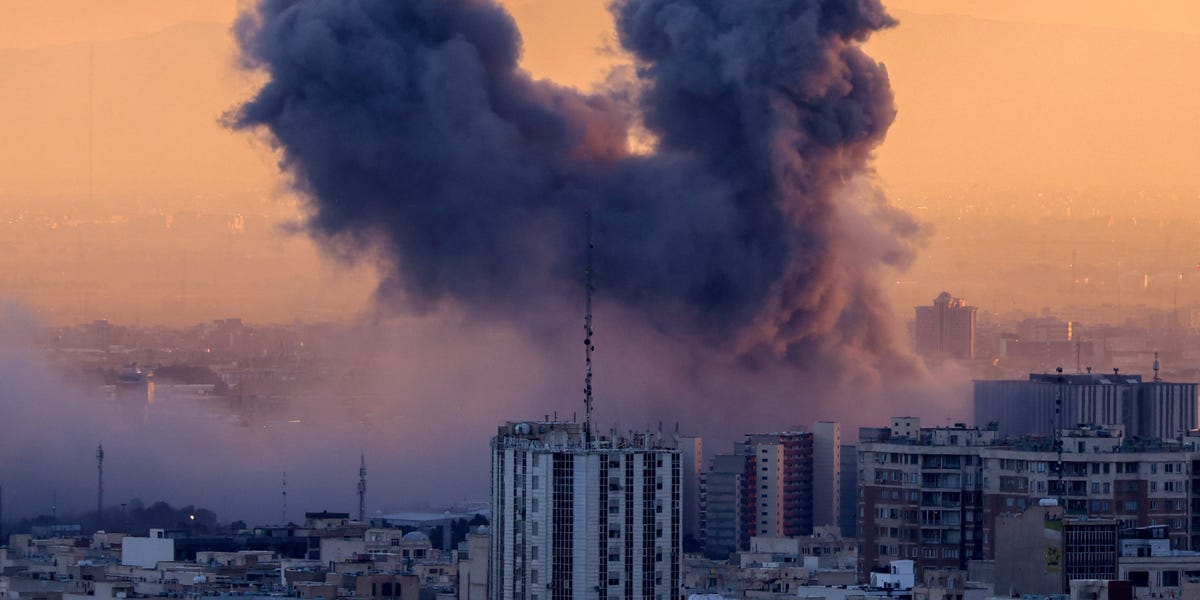
For 43 days, the conflict in the Middle East has acted as a persistent drag on global economic sentiment. As the kinetic military engagement continues to test regional stability, the International Monetary Fund (IMF) has issued a sobering assessment: the economic fallout from a potential escalation between the United States and Iran is no longer a tail-risk event—it is already "baked" into the global economic outlook.

IMF leadership highlighted that the market is grappling with the cumulative damage of nearly seven weeks of hostilities. While the initial shock was localized to the immediate theater of conflict, the systemic risks have expanded, particularly concerning the security of critical energy infrastructure and the stability of global trade chokepoints.

The Strait of Hormuz and Energy Vulnerability

At the heart of the IMF’s concern is the Strait of Hormuz, the world’s most vital oil transit artery. Through this narrow waterway pass approximately 20% of the world’s total petroleum consumption. Any meaningful disruption here—whether through direct military action or Iranian-backed maritime interference—would trigger a price shock that would likely render current inflation-taming efforts by central banks futile.

Beyond the transit lanes, the damage sustained by regional oil hubs remains a critical point of concern. These facilities are not merely assets; they are the backbone of global energy supply chains. The IMF’s assessment suggests that the damage inflicted on these hubs could take years to repair, even if a ceasefire were achieved tomorrow. This implies a long-tail effect on commodity prices, where the risk premium for oil will likely remain elevated for the foreseeable future, complicating the cost-of-living crisis across developed and emerging economies alike.

Market Implications: Navigating the Risk Premium

For traders and institutional investors, the IMF’s warning signals a shift in how geopolitical risk should be priced into portfolios. Historically, markets tend to experience 'volatility spikes' during the onset of conflict, followed by a period of normalization. However, this situation is proving different. The integration of energy supply chain degradation into the baseline economic forecast suggests that the 'geopolitical risk premium' is becoming a permanent feature of commodity pricing.

Investors should monitor the following implications:

  1. Energy Volatility: With oil infrastructure damaged and transit risks elevated, expect continued sensitivity in CL (Crude Oil) futures to any headlines emanating from the Strait of Hormuz.
  2. Inflationary Persistence: If energy costs remain structurally higher due to supply chain repairs, the 'last mile' of inflation reduction for the Federal Reserve and other central banks will become significantly more difficult, forcing a potential 'higher-for-longer' interest rate environment.
  3. Safe-Haven Rotation: The persistent uncertainty is likely to keep a floor under XAU/USD (Gold), as traders continue to hedge against the possibility of a broader, more protracted conflict.

Looking Ahead: A Multi-Year Recovery

The IMF’s focus on the long-term repair horizon for regional oil hubs serves as a stark reminder that the economic clock does not reset when the firing stops. The physical destruction of infrastructure creates a supply-side deficit that cannot be filled by monetary policy.

As we move into the next quarter, market participants should pivot their focus away from short-term headline-chasing and toward the long-term structural impact on global energy capacity. The 'baked-in' nature of this conflict means that the global economy is no longer waiting for a shock; it is already living within the fallout of one. Traders should remain vigilant for any signs of further damage to regional energy hubs, as these will serve as the primary indicators for the next leg of volatility in energy and broader equity markets.