Commodities● Neutral
Why Markets Are Ignoring the Strait of Hormuz Blockade
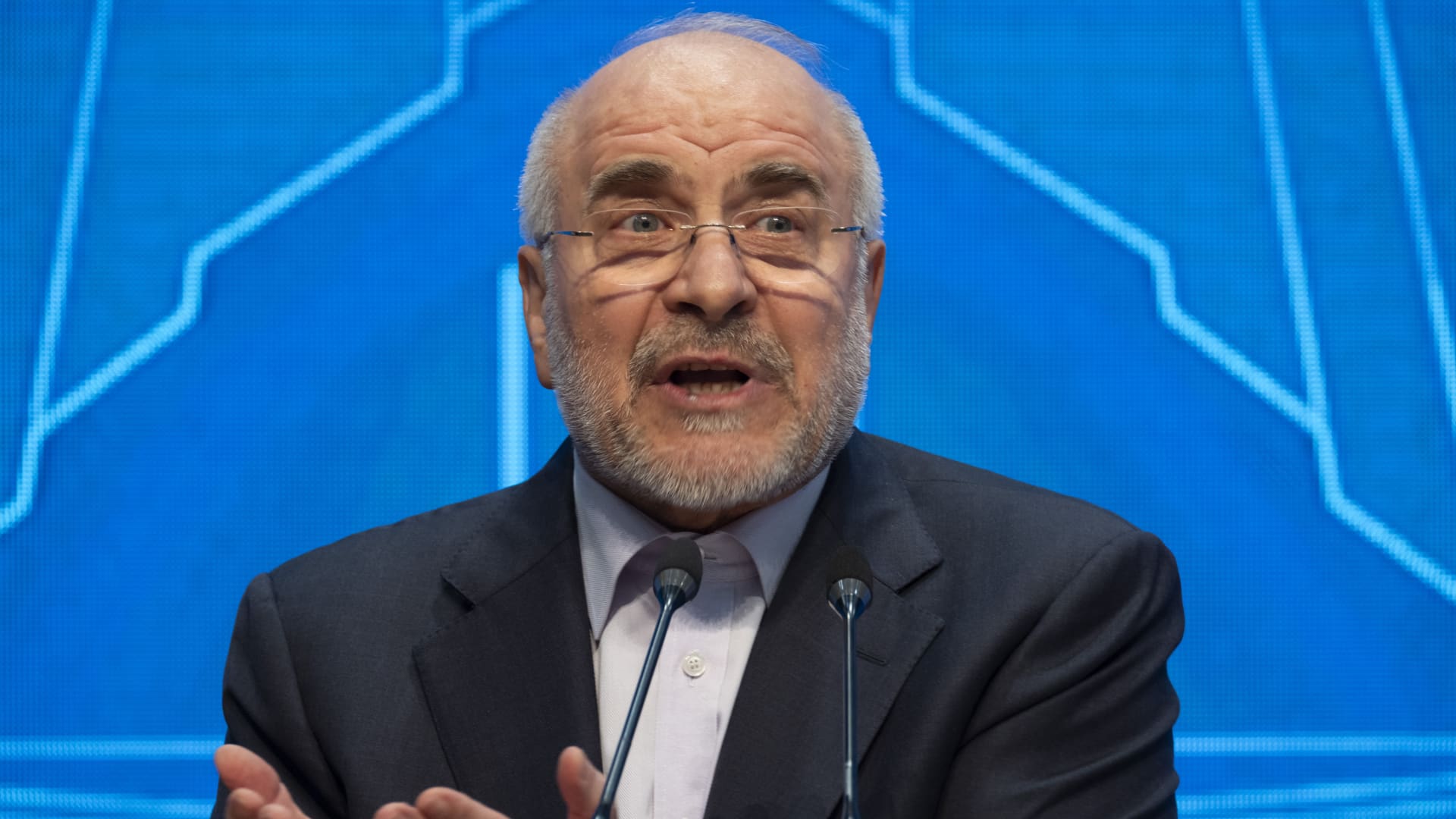
Investors are betting on a U.S.-Iran diplomatic breakthrough despite 20% of global oil passing through the route. Watch for shifts in energy price volatility.
Continue with
Markets Ignore Supply Risks
Global markets are reacting with surprising calm to the escalating U.S. blockade in the Strait of Hormuz. While the situation threatens to deepen an existing energy shock, investors remain focused on the potential for a diplomatic breakthrough between Washington and Tehran. This optimism has kept volatility in check, even as the chokepoint for global oil transit faces restricted access.
Traders monitoring the crude oil profile note that prices have not spiked as sharply as historical models might suggest. Instead of panic, the market is pricing in the expectation that both sides will eventually reach an agreement to restore the flow of goods.
The Economic Stakes
The Strait of Hormuz acts as a critical artery for the global economy. Approximately 20% of the world's total oil consumption passes through this route. Any prolonged disruption would create immediate pressure on supply chains and consumer prices. Despite these risks, the current consensus suggests that a deal is more likely than a full-scale conflict.
Market participants are balancing several competing narratives:
- Energy Security: The potential for a sustained supply outage remains a primary concern for energy-dependent economies.
- Diplomatic Sentiment: Reports of back-channel communications between the U.S. and Iran are fueling investor confidence.
- Inflationary Pressure: Higher energy costs would force central banks to rethink their interest rate paths, complicating the broader market analysis.