Macro● Neutral
How Four Decades of Mortality Shifts Reshape Global Markets
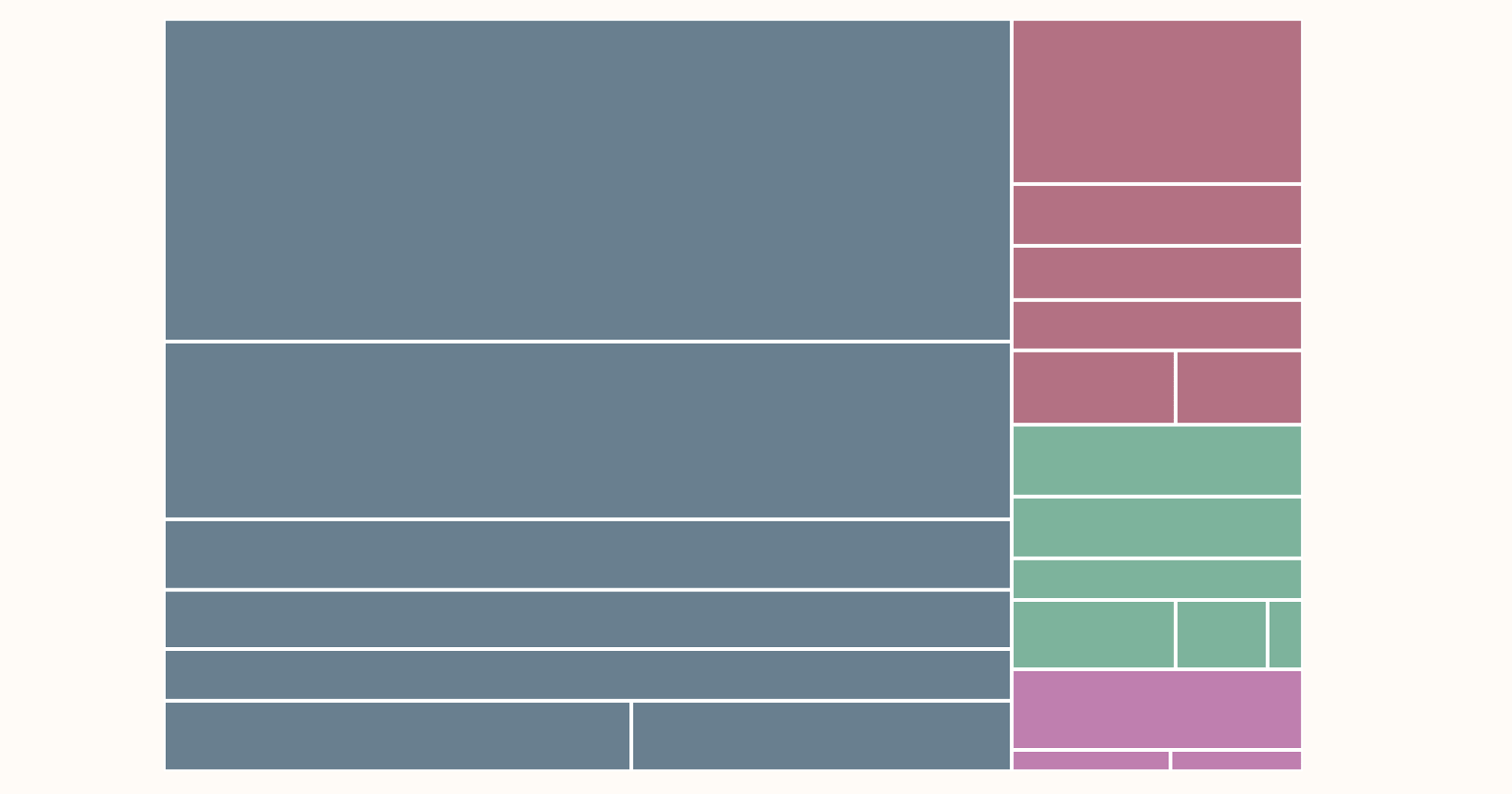
Changing disease burdens from infectious to chronic conditions are forcing a pivot in healthcare R&D. Monitor fiscal health as aging populations shift demand.
Continue with
The Longitudinal View of Human Mortality
For investors and policymakers alike, understanding the health trajectory of a nation is more than a humanitarian concern—it is a fundamental barometer of economic stability, workforce productivity, and long-term fiscal health. New comprehensive datasets, spanning more than four decades of global mortality records, provide an unprecedented look at how causes of death have evolved, shifting from infectious diseases to chronic, lifestyle-related conditions.
This historical data reveals a profound transition in the global disease burden. While the 20th century was largely defined by the struggle against communicable illnesses, the current landscape is dominated by the 'diseases of affluence' and the complexities of aging populations. Analyzing these trends offers a roadmap for the future of healthcare spending, pharmaceutical demand, and the sustainability of social safety nets.
The Great Transition: From Infectious to Chronic
Over the past 40 years, the global health narrative has undergone a seismic shift. In developing economies, improvements in sanitation, vaccination programs, and basic medical infrastructure have significantly reduced mortality rates associated with infectious diseases. However, this progress has created a 'double burden' in many regions, where the remnants of historical health challenges persist alongside an emerging epidemic of non-communicable diseases (NCDs).
In developed nations, the data highlights a clear trend: as life expectancy increases, the primary drivers of mortality have shifted toward cardiovascular diseases, oncology, and neurodegenerative conditions. This transition is not merely biological; it is deeply tied to urbanization, dietary changes, and sedentary lifestyles. For the healthcare sector, this shift dictates where R&D capital is deployed. Pharmaceutical companies are increasingly pivoting away from acute care toward long-term management therapies for chronic conditions, a move that is reshaping the balance sheets of major biotech and pharma firms.