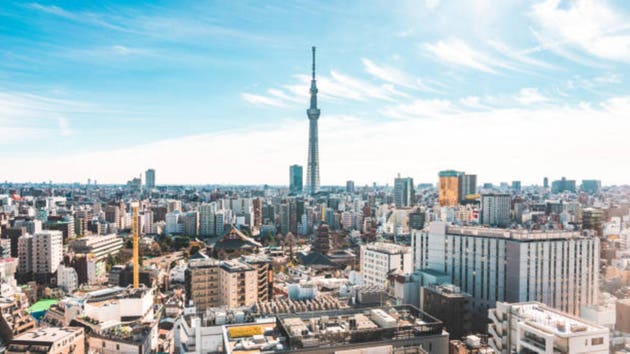
A Strategic Shift in Japanese Asset Allocation
The landscape of Japanese corporate real estate is undergoing a fundamental transformation. KKR, the global investment giant, is aggressively expanding its footprint in the region, positioning itself to capitalize on a massive wave of corporate asset liquidations. As Japanese firms move to optimize their balance sheets, KKR is targeting a slice of the ¥450 trillion worth of corporate-held real estate currently entering the market.
This trend is driven by a broader corporate restructuring movement. As Japanese companies shed non-core holdings to improve capital efficiency, investors are finding unique opportunities in high-density urban corridors. KKR’s focus remains anchored in the primary economic hubs of Tokyo, Osaka, and Nagoya, where demand for resilient, cash-flow-generating properties continues to outpace supply.
The Drivers of Liquidity
Corporate Japan has historically maintained extensive real estate portfolios, often as part of legacy business structures. However, mounting pressure from shareholders to deliver better returns on equity is forcing a change in strategy. This shift mirrors the stagflationary pressures loom large: insights from the IMF and world bank that have compelled firms to seek more liquid, high-yield alternatives to stagnant real estate holdings.
Key Investment Criteria
KKR is prioritizing assets that offer protection against rising costs and long-term stability. Their acquisition strategy focuses on:
- Inflation-resistant structures capable of sustained rental growth.
- High-cash-flow properties that provide immediate yield.
- Strategic locations within Japan's top three metropolitan regions.
"The acceleration of corporate divestments provides a rare window for institutional capital to acquire prime commercial real estate that was previously locked away in legacy portfolios," noted market observers familiar with the firm's regional mandate.
Comparative Market Dynamics
Investors looking at market analysis will notice that Japan's real estate sector is decoupling from the volatility seen in other global markets. While other asset classes remain sensitive to base rate fluctuations, Japanese commercial real estate is benefiting from a structural supply-demand imbalance.
| Asset Focus | Primary Region | Strategic Goal |
|---|
| Corporate Real Estate | Tokyo | Yield Optimization |
| Commercial Assets | Osaka | Asset Monetization |
| Urban Hubs | Nagoya | Portfolio Resilience |
Implications for Global Traders
For those tracking the gold profile or other safe-haven assets, KKR's pivot suggests that institutional money is increasingly viewing Japanese commercial property as a viable alternative for capital preservation. The sheer scale of the ¥450 trillion potential market implies that this is not a short-term trade but a multi-year structural play.
Furthermore, the movement in Japan’s property market may signal a broader shift in how multinational corporations handle their physical footprints. Much like the developments highlighted in corporate india’s climate ambitions face a growing credibility gap, Japanese firms are facing a credibility test regarding their ability to modernize and provide value to global stakeholders.
Outlook: What to Watch
As KKR increases its deployment of capital, market participants should watch for further announcements regarding specific property acquisitions in the Tokyo office sector. The ability of these assets to maintain high occupancy rates despite broader economic headwinds will be the primary metric for success. Additionally, keep a close eye on whether other major private equity firms follow KKR’s lead, as a competitive bidding environment could compress yields across the Nagoya and Osaka markets significantly by the end of the fiscal year.