Macro● Neutral
Iran’s Economic Collapse Threatens Regime Patronage Networks
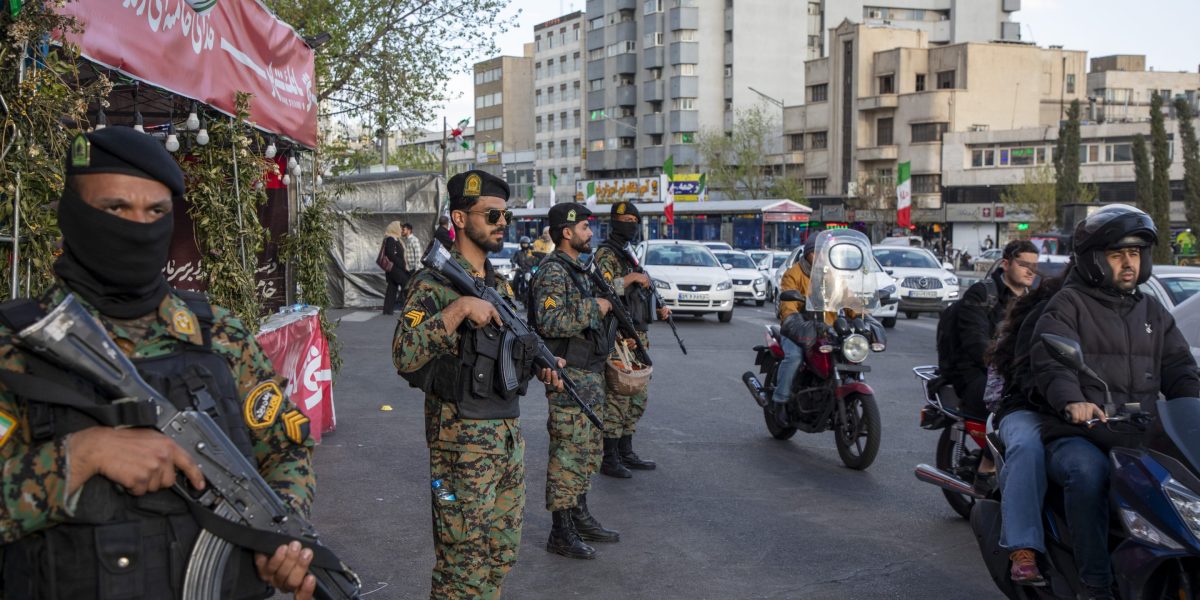
Fiscal mismanagement and crumbling infrastructure are straining the internal power structure, forcing a shift that could destabilize the Tehran government.
Continue with
The Iranian government faces a potential existential crisis that extends beyond the shifting political landscape in Washington. While the Tehran regime has demonstrated resilience in maintaining power throughout various international administrations, analysts suggest that the sheer magnitude of the country's economic deterioration could prove insurmountable in the long term.
Decades of fiscal mismanagement and international isolation have left the nation’s infrastructure and industrial base in a state of critical disrepair. Experts argue that the inevitable cost of rebuilding a shattered economy will create unsustainable friction within the country’s existing power structure. Specifically, the massive financial requirements for national reconstruction are expected to strain the complex patronage networks that have traditionally served as the primary mechanism for the regime to maintain internal control and political loyalty.
As the state attempts to manage these mounting fiscal pressures, the internal competition for dwindling resources may destabilize the very foundations of the government. The transition from a strategy of survival to a requirement for comprehensive economic revitalization presents a challenge that the current patronage-based system may be ill-equipped to navigate, regardless of the outcomes of external diplomatic or political pressures.