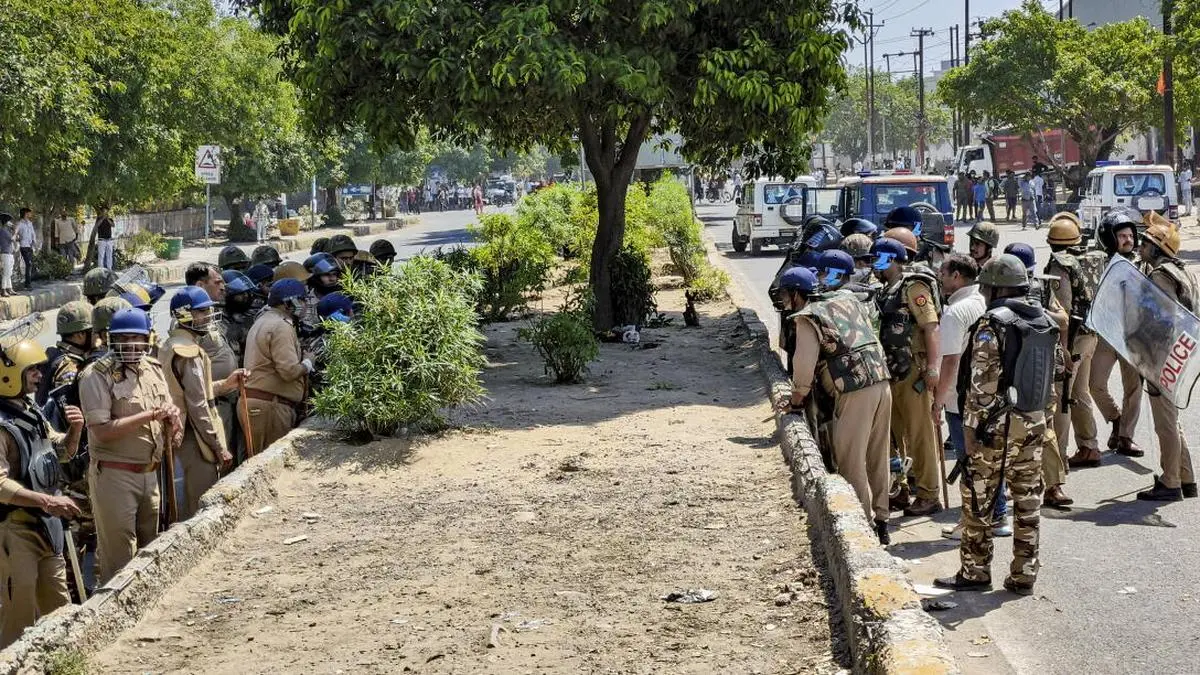
Industrial Unrest in Noida and Faridabad Escalates into Violent Confrontations

Violent protests by factory workers in Noida and Faridabad have led to severe infrastructure blockades and vandalism, disrupting the region's industrial logistics and supply chain operations.
Escalating Tensions in Industrial Hubs
Recent demonstrations by factory laborers in the key industrial corridors of Noida and Faridabad have intensified, resulting in significant civil unrest. What began as organized worker protests has devolved into episodes of violence, characterized by widespread vandalism and the strategic obstruction of major transport arteries. These disruptions have brought local logistical movement to a standstill, impacting the daily operations of businesses situated within these critical manufacturing zones.
Impact on Regional Logistics
The current situation has manifested in severe traffic congestion across both regions as protesters utilized roadblocks to amplify their grievances. The resulting gridlock has hindered the movement of goods and personnel, creating a volatile environment for companies relying on just-in-time supply chains. For those tracking market analysis, such localized instability serves as a reminder of how manufacturing workforce dynamics can quickly spill over into broader economic friction.
Reported Incidents and Consequences
The escalation has been marked by several distinct operational challenges:
- Widespread Vandalism: Physical damage to industrial property has been reported throughout the affected sectors.
- Infrastructure Blockades: Major thoroughfares in Noida and Faridabad remain obstructed, causing significant delays.
- Logistical Halts: Commercial transport services are facing severe disruptions due to the ongoing unrest.
"The transition from peaceful assembly to violent confrontation highlights a growing fragility in regional labor relations that could have downstream effects on production timelines," observed regional observers monitoring the situation.
Market Implications for Local Industry
Investors and supply chain managers must account for the immediate risk posed to facilities in these hubs. While the protests are currently localized, the potential for these disruptions to affect the broader crude oil profile and energy-intensive manufacturing costs remains a concern if factory closures persist. Traders should monitor the following metrics to gauge the severity of the economic impact:
| Metric | Current Status |
|---|---|
| Region Affected | Noida & Faridabad |
| Primary Issue | Labor Unrest |
| Operational Status | High Disruption |
| Logistics Impact | Severe Roadblocks |
Looking Ahead: Monitoring Stability
Moving forward, stakeholders must watch for government intervention and the potential for negotiations to resume. Continued volatility could force companies to reconsider their regional footprint or implement contingency protocols to protect assets. As the situation evolves, the primary focus will be on how quickly authorities can restore order to these vital manufacturing corridors and whether the grievances of the workforce are addressed through formal channels rather than continued street-level conflict. Investors should remain cautious regarding companies with heavy infrastructure concentration in these specific districts, as prolonged downtime could weigh on quarterly output targets.