Macro● Neutral
IMF Warns Tokenization Risks Global Financial Stability
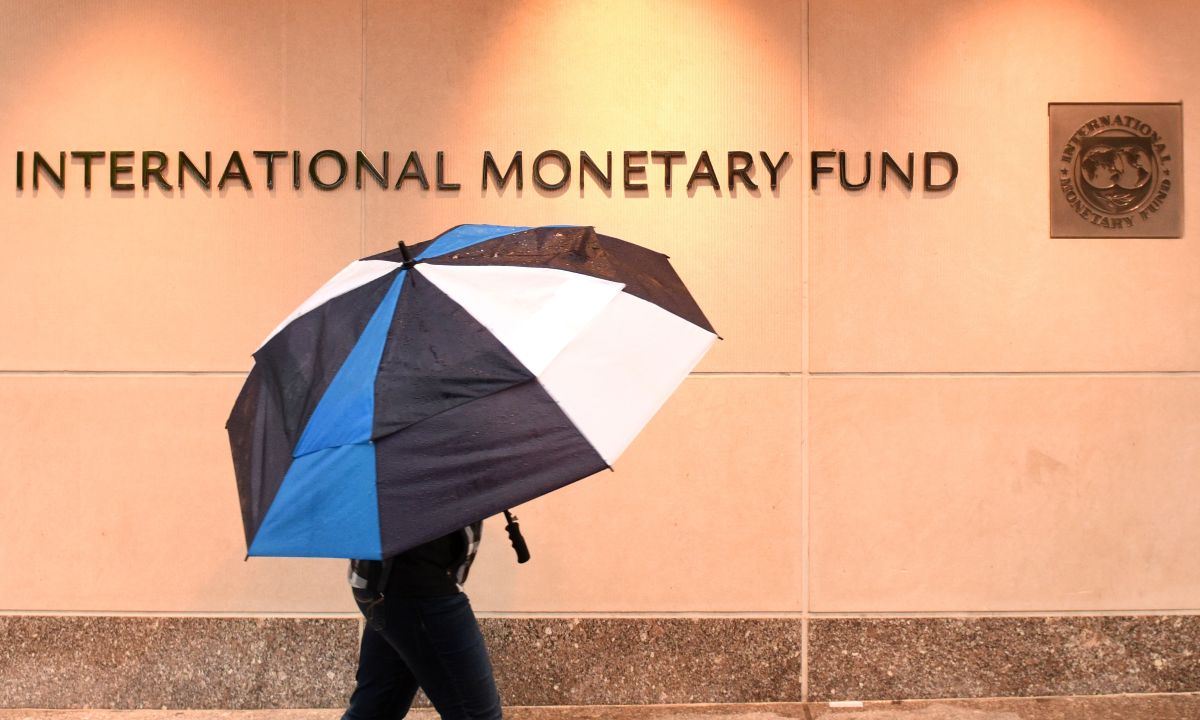
Rapid integration of assets onto blockchain platforms creates complex systemic vulnerabilities and contagion risks that threaten current market oversight.
Continue with
The International Monetary Fund (IMF) has cautioned that the rapid integration of tokenization into the global financial system introduces significant new vulnerabilities. As traditional financial assets move onto blockchain-based platforms, the IMF suggests that the speed and scale of these transitions could outpace existing regulatory frameworks.
In its latest assessment, the organization highlighted that while tokenization offers potential efficiencies in settlement and liquidity, it simultaneously creates complex interconnectedness between digital asset providers and legacy financial institutions. The report notes that these ties could exacerbate systemic risks if a failure in a digital liquidity provider or a platform outage triggers contagion across broader markets. Furthermore, the IMF pointed to cybersecurity threats, operational risks, and the potential for fragmented regulatory oversight as primary concerns that could undermine investor protection.
The IMF emphasized that the pseudonymity and cross-border nature of tokenized transactions complicate the enforcement of anti-money laundering and know-your-customer protocols. By facilitating the rapid transfer of assets across jurisdictions, tokenization may also challenge the ability of central banks and regulators to maintain oversight during periods of market stress. The report concludes that without a harmonized international approach to regulation, the shift toward tokenized assets may leave the financial system susceptible to volatility and structural instability.