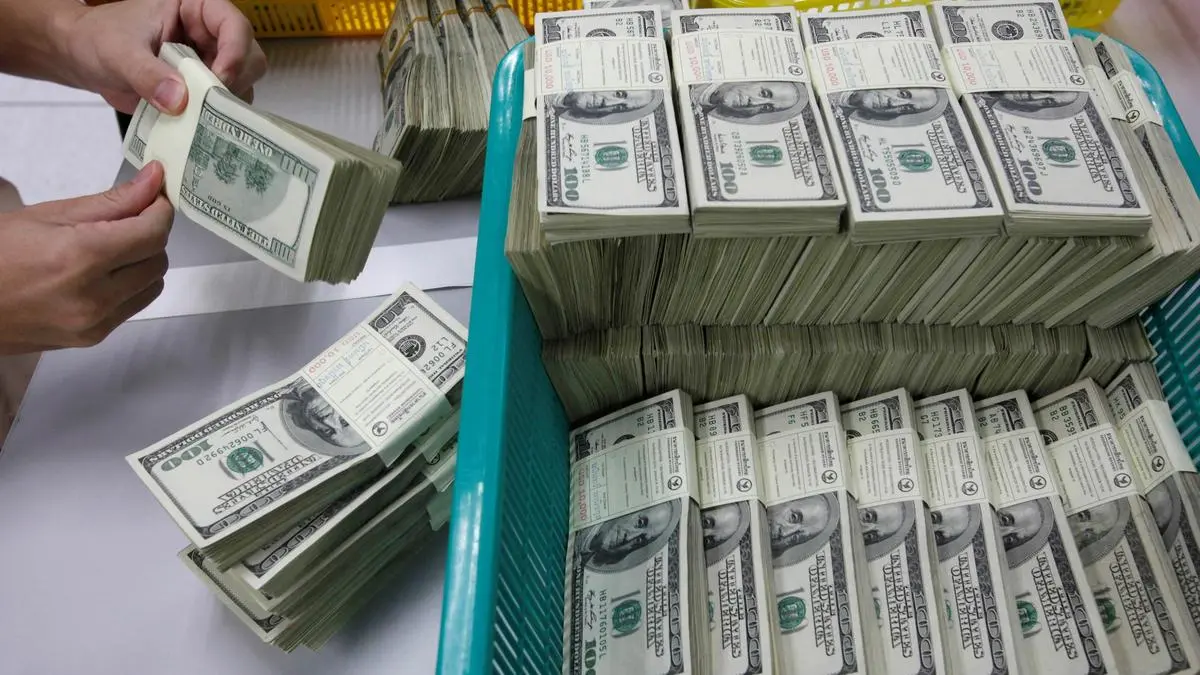
Greenback Slides as Trump Signals Potential Iran Nuclear Deal

The US dollar retreated from earlier highs after Donald Trump suggested Iran is interested in pursuing a nuclear agreement. Energy markets continue to monitor supply risks in the Strait of Hormuz.
Dollar Loses Momentum on Iran Comments
The US dollar reversed its early gains today following remarks from Donald Trump regarding the potential for a renewed nuclear deal with Iran. Investors reacted quickly to the update, shifting sentiment as the prospect of eased tensions in the Middle East broke through the market noise.
Currency traders pushed the dollar lower as the headline hit terminals, unwinding positions that had been built on earlier risk-off sentiment. While the greenback had shown strength in the overnight session, the suggestion that Tehran might be open to negotiations introduced a fresh variable into the global macro equation.
Energy Markets at a Crossroads
The geopolitical tension surrounding the Strait of Hormuz remains the primary driver for commodities volatility. With global energy supplies already under pressure, the uncertainty surrounding Iranian exports has kept prices elevated.
"Shipments of oil and gas through the Strait of Hormuz remain in focus as the lack of an agreement threatens to deepen a global energy shock."
Market participants are closely tracking how diplomatic developments affect the crude oil profile. Current data shows that energy prices are currently hovering near $100 per barrel, a level that has served as a psychological floor for traders throughout the recent cycle.
Key Market Metrics
The following table illustrates the sensitivity of current markets to the ongoing diplomatic headlines:
| Asset Class | Status | Price Context |
|---|---|---|
| Crude Oil | Volatile | Near $100 per barrel |
| US Dollar | Retreating | Lower following comments |
| Energy Flows | Restricted | Hormuz transit in focus |
What Traders Are Watching
For those monitoring the best commodities brokers, the speed of the price reversal underscores the market's sensitivity to supply-side news. If a formal deal materializes, it could lead to a significant influx of Iranian crude into the global market, potentially cooling the current price spike.
However, traders are wary of relying on rhetoric alone. Until concrete steps toward a deal are verified, the risk premium on energy assets will likely persist. We are keeping a close eye on any official statements from the State Department or Tehran that could confirm or debunk the possibility of a return to the negotiating table. For more on how these fluctuations impact broader markets, see the latest on how crude prices slip as markets eye renewed US-Iran nuclear negotiations.