Commodities● Neutral
Uranium Conversion Expansion Targets Critical Supply Bottlenecks
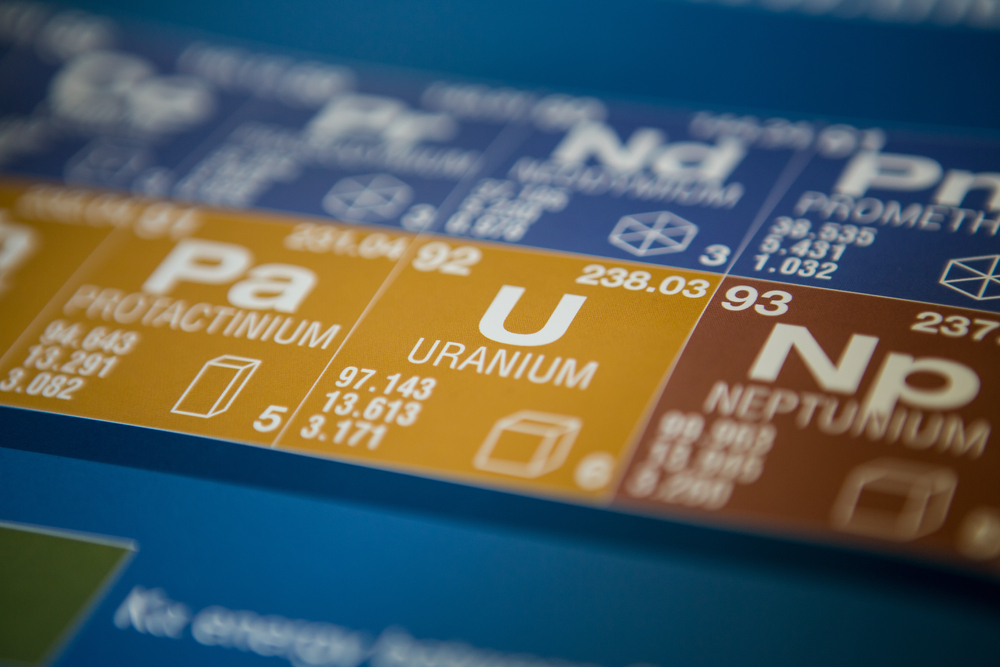
Scaling beyond three commercial facilities aims to stabilize nuclear fuel pipelines and secure energy grids against long-standing supply vulnerabilities.
Continue with
The Western nuclear energy supply chain is preparing for a major structural shift as capacity for uranium conversion undergoes a substantial expansion. Currently, the industry relies on a narrow base of only three commercial conversion facilities to process uranium for global power plants.
This limited infrastructure has long been a focal point for energy security concerns, prompting a strategic push to diversify and increase production capabilities. Industry experts indicate that the planned expansion aims to reduce dependency on existing bottlenecks and fortify the fuel supply for the growing fleet of nuclear reactors. By scaling up these facilities, the sector intends to stabilize the front end of the nuclear fuel cycle, ensuring that utilities have a more reliable pipeline for enriched uranium.
As the transition toward carbon-neutral energy sources gains momentum, the demand for reliable nuclear fuel has intensified. The expansion of conversion capacity is considered a critical step in maintaining the operational continuity of Western nuclear power grids. Developers are moving forward with projects designed to bring new capacity online, addressing the supply vulnerabilities that have persisted for years. This development represents a pivotal move to align infrastructure with the rising global interest in nuclear energy as a stable, baseload power source.