A Fragile Supply Chain Under Pressure
India’s telecommunications sector, a critical pillar of the nation’s digital economy, is currently grappling with a confluence of geopolitical headwinds that threaten to derail infrastructure expansion and operational stability. The ongoing conflict in West Asia has sent shockwaves through global supply chains, creating a dual-front crisis for Indian telecom operators: spiraling costs for mission-critical imported equipment and a severe disruption in the logistics of power management.
For investors and market participants, the situation marks a shift from optimistic network expansion forecasts to a more cautious, defensive stance. The dependency on imported hardware, ranging from sophisticated radio equipment to specialized tower components, has left domestic operators vulnerable to shipping delays and inflationary pressures exacerbated by regional instability in the Middle East.
The Energy Crisis: Diesel and Connectivity
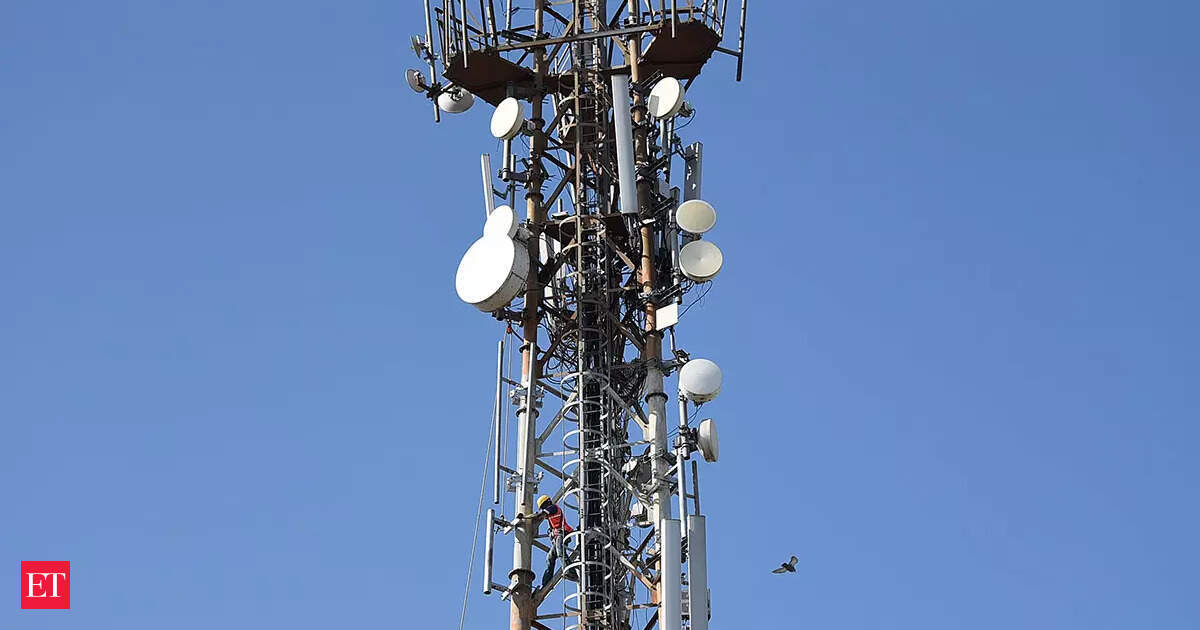
Beyond the hardware crunch, the industry faces an acute operational challenge regarding power continuity. Telecom towers, particularly those in remote or underdeveloped grid regions, remain heavily reliant on diesel generators to bridge the gap during frequent power outages. Recent restrictions on diesel sales have severely hindered the ability of operators to refuel these generators, creating a direct threat to network uptime.
“The convergence of supply chain bottlenecks and energy scarcity is creating a perfect storm for telecom infrastructure,” noted analysts monitoring the sector. When towers go dark due to fuel shortages, the resulting service disruptions not only impact consumer experience but also force operators to incur emergency operational expenditures, eroding margins that are already compressed by intense domestic competition.
Manufacturing Delays and Future Outlook
Compounding these issues are the systemic delays in tower manufacturing. The supply chain for the steel and electronic components required for infrastructure build-outs is witnessing significant friction. As manufacturing timelines stretch, the pace of network expansion—long touted as a growth engine for the Indian digital landscape—is facing an inevitable cooling period.
For traders, the concern is clear: delays in capital expenditure (CapEx) deployment often correlate with a slowdown in subscriber acquisition and potential revenue misses in future quarters. The reliance on imported gear means that the sector is fundamentally tethered to the stability of the West Asian trade routes. Any escalation in regional tensions will likely translate into further volatility for the sector.
What to Watch Next
Market participants should monitor two key metrics in the coming weeks: the stability of the fuel supply chain for industrial consumers and any adjustments in guidance from major telecom equipment providers. Should the conflict-led disruptions persist, expect downward revisions in infrastructure rollout targets, which may weigh on the broader telecom equity profile. As the industry navigates these logistical hurdles, the focus will remain on whether operators can secure alternative supply routes or if the reliance on domestic manufacturing can be accelerated to mitigate the current risks.