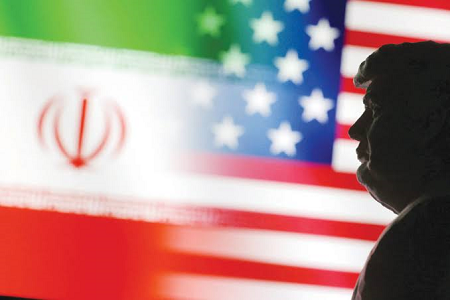
A High-Stakes Ultimatum
In a move that has sent ripples of uncertainty through global energy markets, former President Donald Trump has reaffirmed his readiness to target Iran's critical energy infrastructure. Speaking on Sunday, Trump emphasized that his administration would not hesitate to dismantle Iran’s power plants and civilian energy facilities should ongoing diplomatic efforts fail to yield a comprehensive deal to resolve the escalating regional conflict.
This rhetoric marks a significant hardening of the former president’s stance, shifting the focus from general sanctions to the prospect of direct kinetic intervention against the backbone of the Iranian economy. For traders and market participants, the commentary underscores a return to a high-volatility geopolitical environment where the threat of supply-side shocks remains a primary concern for crude oil valuations.
The Anatomy of the Threat
Trump’s comments specifically target the civilian energy infrastructure that supports Iran’s domestic power grid and export capabilities. By threatening to destroy power plants, the former president is signaling an intent to impose maximum economic pain by crippling the nation's industrial output.
Historically, the Iranian energy sector has been a focal point of international friction. Any sustained disruption to Iran’s production—which currently contributes to global supply despite ongoing sanctions—would invariably create a supply vacuum. With global inventories already sensitive to Middle Eastern stability, the market is pricing in a 'geopolitical premium' that fluctuates in direct correlation with the intensity of such rhetoric.
Market Implications: The Energy Risk Premium
For investors, the primary concern is the potential for a sudden, sharp contraction in oil supply. When political figures threaten energy infrastructure, the immediate reaction in the commodities market is typically a flight to quality and an upward spike in oil futures.
Traders are currently weighing the credibility of these threats against the current geopolitical stalemate. If the prospect of a deal remains elusive, the risk of a regional escalation that disrupts the Strait of Hormuz—the world’s most critical oil chokepoint—becomes more than a tail-risk event. The volatility in the energy sector is likely to remain elevated as participants attempt to hedge against the possibility of a total breakdown in diplomatic communication between Washington and Tehran.
What to Watch Next: Volatility and Diplomatic Channels
Moving forward, market analysts will be closely monitoring two key indicators: the tone of any back-channel diplomatic negotiations and the physical positioning of naval and aerial assets in the Persian Gulf. Any reports of increased military mobilization or a definitive rejection of new diplomatic proposals would likely trigger a swift repricing of risk assets.
Furthermore, market participants should keep a close eye on the performance of energy-linked equities and the volatility index (VIX), as any significant move in crude oil prices will have cascading effects on inflation expectations and central bank policy. As the situation evolves, the primary takeaway for the trading community is that geopolitical risk has moved back into the driver’s seat, necessitating a cautious approach to leveraged positions in energy commodities until a clearer diplomatic path emerges.