Macro● Neutral
Trump-Vatican Diplomatic Clash Signals Rising Geopolitical Risk
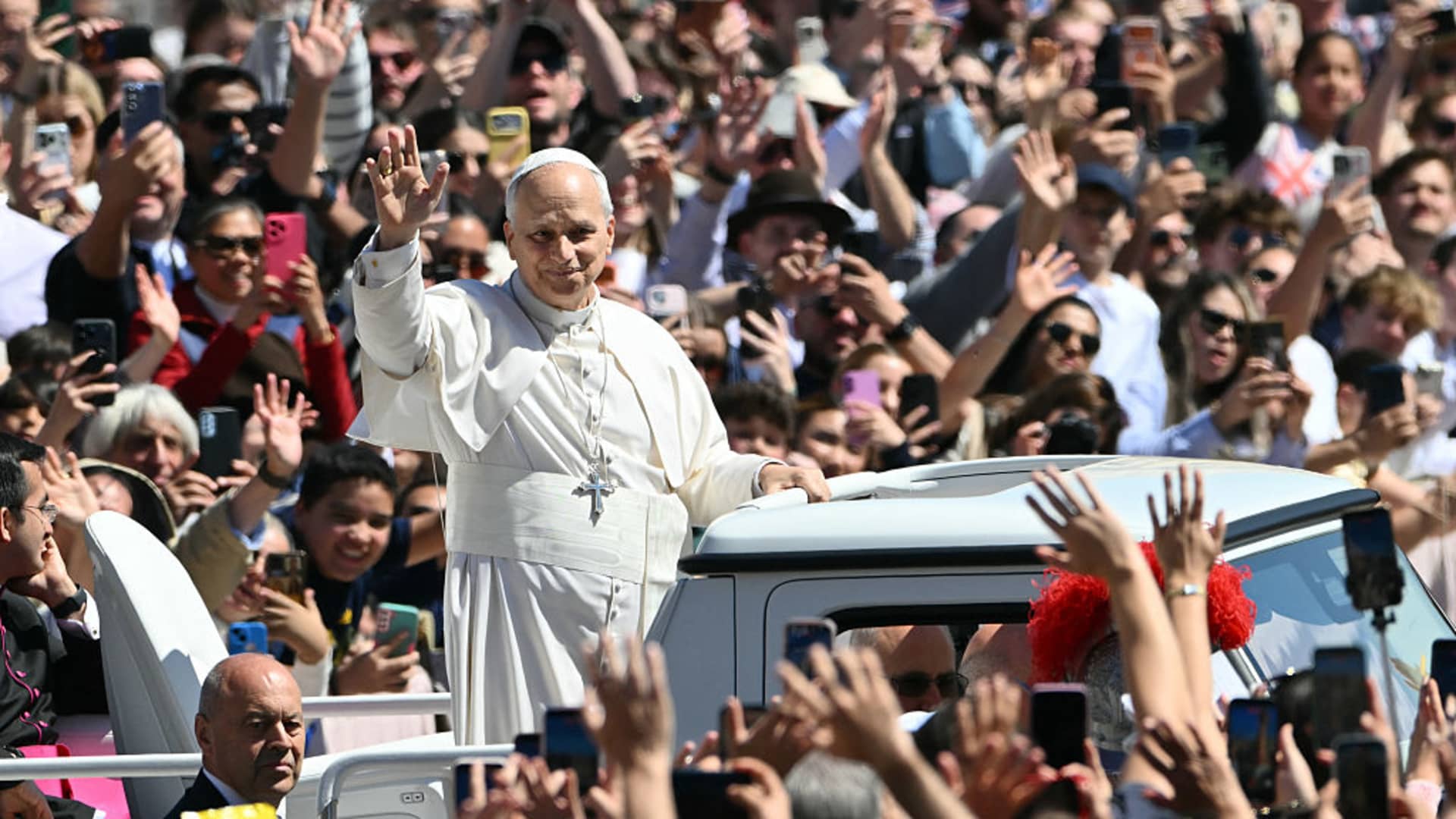
Pope Leo XIV’s critique of the America First doctrine threatens transatlantic stability. Investors should monitor EUR/USD volatility for policy shifts.
Continue with
A Diplomatic Schism Emerges
In an unexpected intensification of rhetoric between the U.S. executive branch and the Holy See, former President Donald Trump has issued a sharp rebuttal to Pope Leo XIV following the Pontiff’s recent critique of American foreign policy. The exchange, which unfolded in the wake of Holy Week celebrations at St. Peter’s Square, marks a rare and high-profile diplomatic collision between a major political figure and the leader of the Catholic Church.
The tension surfaced after Pope Leo XIV, addressing the faithful on April 5, utilized his platform to voice concerns regarding the trajectory and moral implications of current U.S. international engagements. While the Vatican has historically maintained a posture of nuanced neutrality, the Pontiff’s remarks were interpreted by the Trump camp as a direct challenge to the "America First" doctrine that defined his previous administration and continues to serve as a cornerstone of his current political platform.
The Roots of the Dispute
To understand the significance of this friction, one must look at the broader context of the Vatican's role in global diplomacy. Historically, the Holy See has often acted as a moral arbiter on the world stage, frequently clashing with Western powers over trade protectionism, isolationism, and military interventionism. Pope Leo XIV’s critique fits into a long-standing tradition of the Vatican advocating for multilateralism and humanitarian-focused foreign policy—principles that are frequently at odds with the transactional, nationalist approach favored by Trump.
For the markets, this is not merely a clash of ideologies; it is a signal of potential volatility in the geopolitical landscape. When diplomatic bridges between major power centers are strained, the resulting uncertainty can influence investor sentiment, particularly regarding global stability and international trade agreements. Traders should take note that such high-profile public disputes often precede shifts in international policy, which can have ripple effects on how the U.S. interacts with European allies whose populations are predominantly Catholic.