Macro● Neutral
Islamabad Impasse: Why the US-Iran Talks Failure Risks Oil Spikes
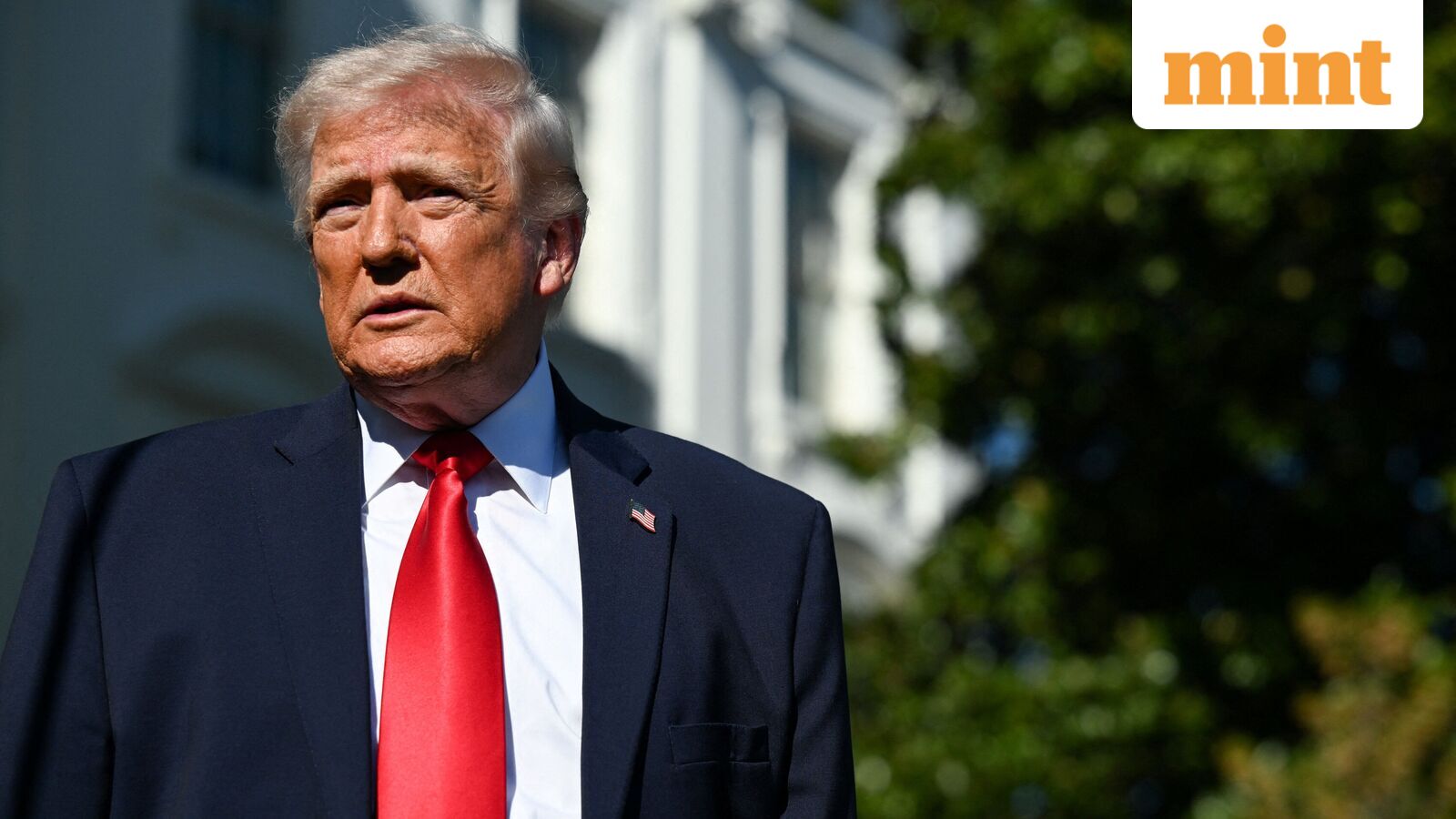
The collapse of US-Iran negotiations signals a decline in Pax Americana, forcing investors to recalibrate risk premiums as Brent crude volatility looms.
Continue with
The Islamabad Impasse
The diplomatic landscape shifted sharply this week as US-Iran peace negotiations, hosted in Islamabad, concluded without a formal pact. The failure to secure a breakthrough has sent shockwaves through global markets, reigniting fears of a sustained escalation in Middle Eastern hostilities. For traders and geopolitical strategists alike, the development is more than a mere diplomatic setback; it represents a deepening crisis for the global economic architecture often referred to as 'Pax Americana.'
While the immediate focus of the markets has been the volatility in energy prices, the collapse of these talks signals a broader trend: the waning efficacy of American diplomatic and economic hegemony in containing regional flashpoints. As communication channels between Washington and Tehran go cold, the probability of renewed kinetic conflict increases, forcing investors to recalibrate their risk premiums on everything from energy assets to safe-haven currencies.
The Energy Nexus: Brent Crude in the Crosshairs
Energy markets are notoriously sensitive to instability in the Persian Gulf and the broader Middle East. The failure to reach an agreement has already placed significant upward pressure on Brent crude oil prices. As regional tensions rise, the market is bracing for potential supply chain disruptions, particularly around key chokepoints like the Strait of Hormuz.
Historically, any escalation in US-Iran relations has acted as a catalyst for crude oil volatility. Traders should note that the current environment is significantly more fragile than during previous diplomatic stalemates. With global inventories already stretched by existing geopolitical conflicts and OPEC+ production management, the risk of a supply shock is heightened. If hostilities transition from diplomatic silence to active regional conflict, the premium on Brent crude is likely to widen further, creating significant tailwinds for energy-sector equities and commodities-linked indices.
Pax Americana and the Economic Theatre of War
Beyond the immediate price action in oil, the failure in Islamabad highlights a structural challenge for the United States: the limits of 'economic warfare.' For decades, the US has utilized sanctions and diplomatic isolation as primary levers of foreign policy. The current impasse suggests that these tools may be losing their deterrent power as Iran and its regional proxies become increasingly adept at navigating a fragmented global economic order.