Macro● Neutral
Trump Halts Iran Strikes: Markets React to 10-Point Peace Plan
Oil and haven assets face mean reversion as a 14-day ceasefire begins. Watch for diplomatic progress to determine if this rally holds or volatility returns.
Continue with
A Sudden Pivot in Middle Eastern Tensions
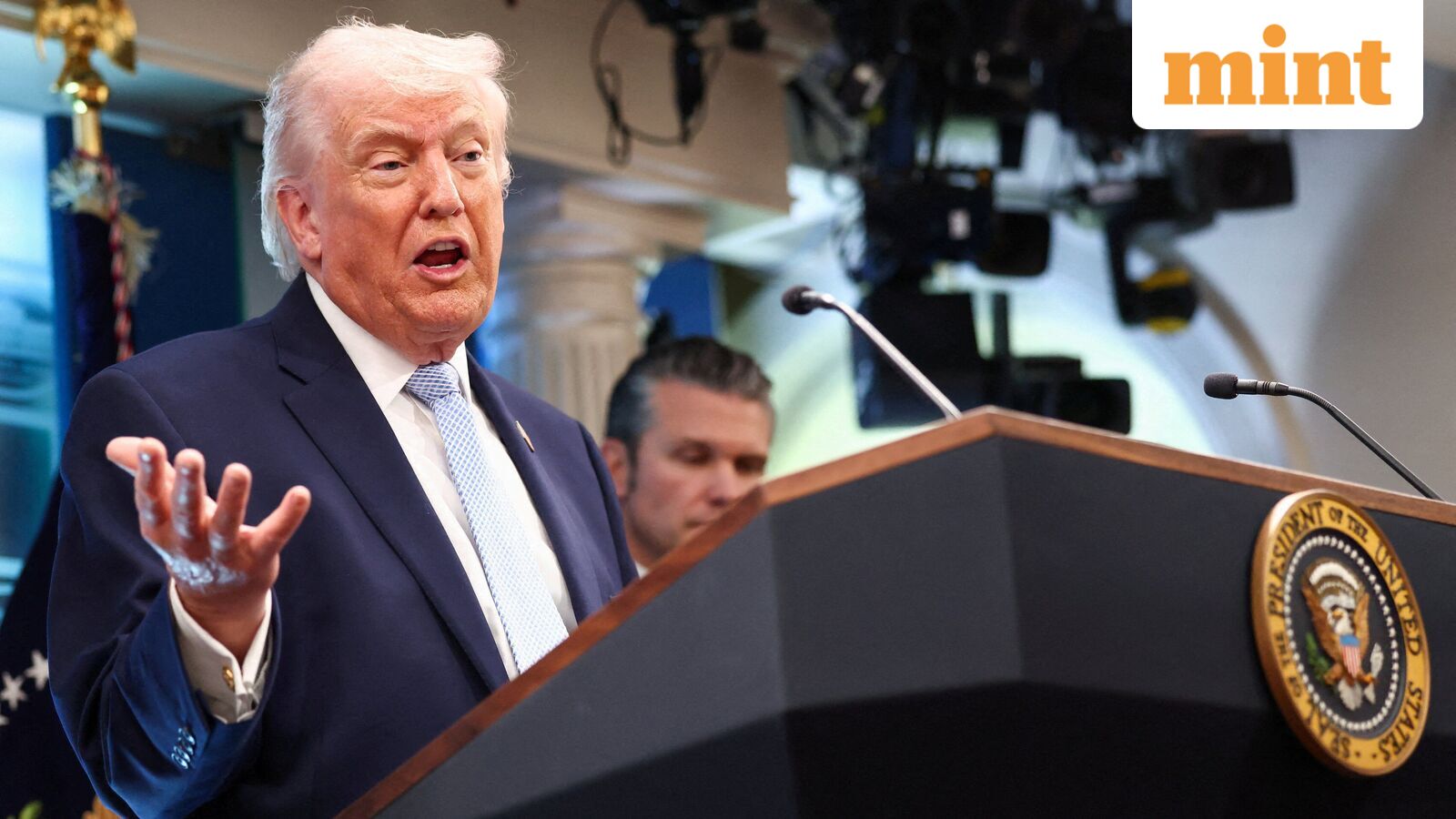
In a significant shift that has sent shockwaves through global markets, U.S. President Donald Trump has ordered a two-week suspension of all bombing campaigns and offensive military operations against Iran. The announcement, which marks a dramatic cooling of hostilities, follows the receipt of a formal 10-point peace proposal from Tehran. President Trump characterized the Iranian initiative as a "workable basis" for substantive negotiations, signaling a potential move toward diplomatic resolution in a region that has been on the brink of wider conflict.
This ceasefire, while currently limited to a two-week window, serves as a critical circuit breaker for investors who have been pricing in the risk of a protracted military engagement. For traders, the immediate cessation of kinetic activity removes a significant layer of volatility premium that had been baked into energy and haven assets over the previous trading sessions.
The Anatomy of the 10-Point Proposal
While the specific technical details of Iran’s 10-point proposal remain under close scrutiny by intelligence and diplomatic circles, the fact that the White House has publicly acknowledged the document as a "workable" framework is a major development. Historically, the rhetoric between Washington and Tehran has been characterized by binary ultimatums. The transition toward a structured, multi-point proposal suggests that back-channel diplomacy may have been more active than previously reported by mainstream outlets.
For market participants, the "workability" of this plan is the primary variable. If the next 14 days lead to a sustained diplomatic dialogue rather than a return to aggression, we could see a stabilization in risk sentiment. However, the short-term nature of the two-week pause implies that the window for negotiation is narrow, and the risk of a "re-escalation" remains a primary concern for institutional risk managers.