Macro● Neutral
Tehran-Islamabad April 10 Summit: Why Markets Are Watching
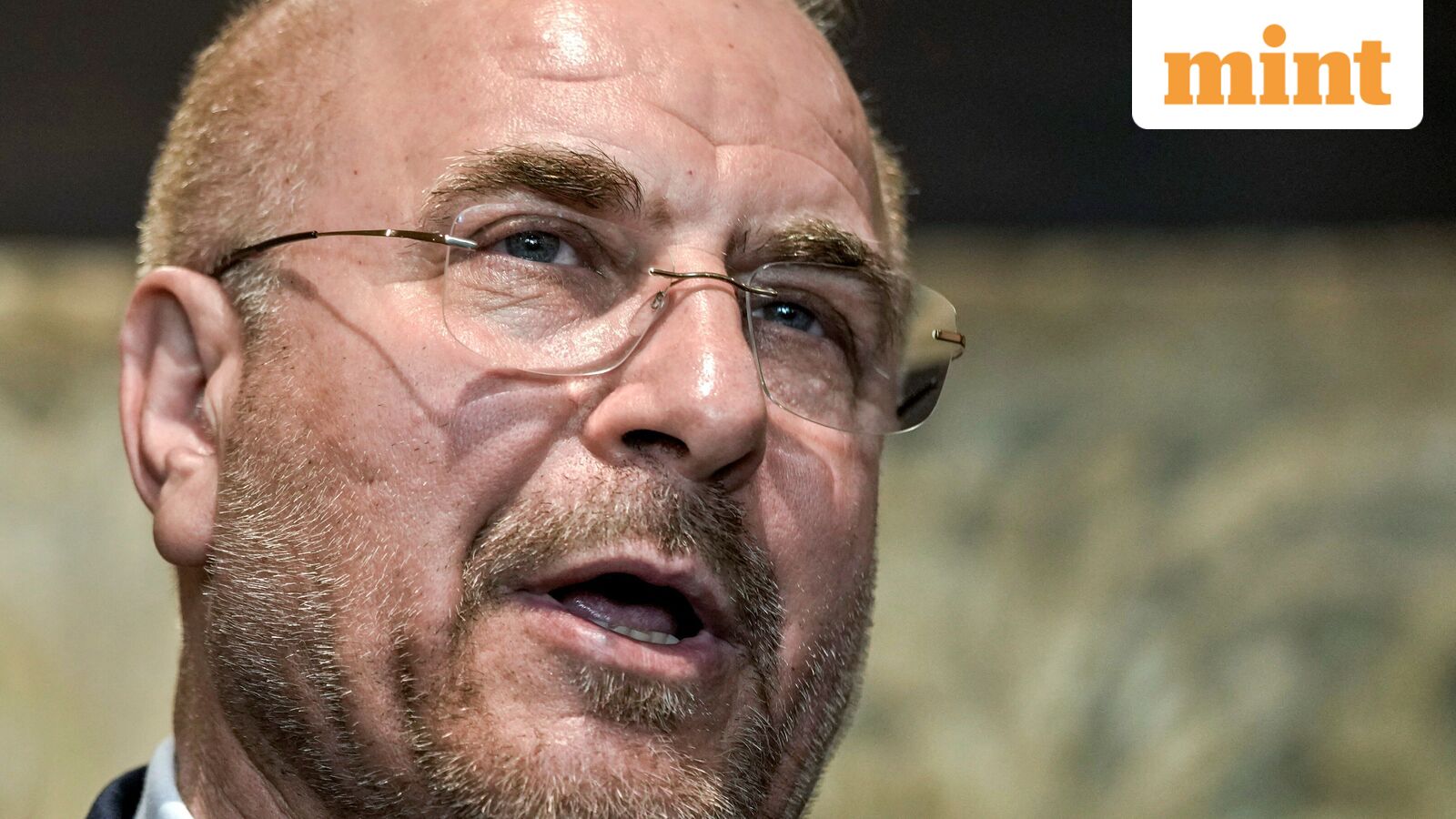
As Tehran and Islamabad prepare for high-stakes negotiations, the delegation composition will signal the durability of the current regional ceasefire.
Continue with
A Critical Diplomatic Pivot
As tensions in the Middle East and South Asia continue to shape regional risk premiums, market participants are turning their gaze toward the upcoming diplomatic summit between Iran and Pakistan. Scheduled for April 10 (US Time), the meeting—which falls on Saturday, April 11, in the local time zone—represents a pivotal moment for border security and regional stability. At the center of the speculation is Mohammad Bagher Qalibaf, the Speaker of the Iranian Parliament, whose potential leadership of the Iranian delegation has fueled intense debate regarding Tehran’s strategic trajectory.
This meeting follows a period of heightened friction that necessitated a ceasefire arrangement. According to reports, this truce was brokered under specific conditions set by Tehran, setting the stage for what many analysts describe as a "make-or-break" negotiation for bilateral cooperation.
The Qalibaf Factor
Mohammad Bagher Qalibaf’s potential involvement is being viewed by geopolitical analysts as a signal of intent. As a key figure within the Iranian political establishment, his presence would suggest that Tehran is looking to move beyond tactical skirmishes toward a more formal, high-level structural agreement.
For traders and macro strategists, the identity of the lead negotiator is not merely a matter of protocol; it is a barometer for the durability of the ceasefire. If Qalibaf leads the delegation, it indicates that the Iranian government is prepared to commit political capital to ensure the stability of the border regions, which have historically been conduits for energy transit and trade. If a lower-level official is dispatched, markets may interpret the move as a sign that the ceasefire remains fragile and subject to further volatility.