A Divergent Data Point in the PC Recovery
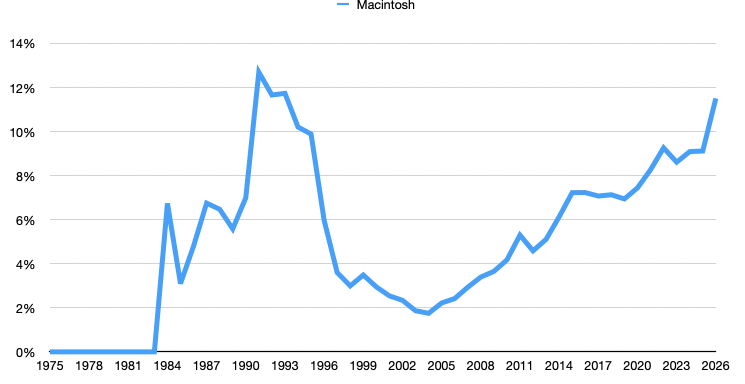
Apple’s Mac division is signaling a robust start to the 2026 fiscal year, with fresh data from Gartner confirming a notable uptick in shipment volume. While the broader personal computing (PC) market has navigated a period of stagnation, Apple appears to be carving out a distinct growth trajectory. According to Gartner’s latest quarterly analysis, Mac sales surged by 12.7% year-over-year in the first quarter of 2026, outperforming earlier estimates from other leading industry analysts.
Gartner’s report pegs total Mac shipments at approximately 6.7 million units for the quarter, securing Apple a 10.6% share of the global PC market. This figure provides a bullish counterpoint to the more conservative estimates released by other research firms earlier this month. The Omdia research group previously reported a 10.7% year-over-year increase, while the IDC research system placed the growth rate at a more modest 9.1%.
Reconciling the Discrepancy
The variance in these figures—ranging from 9.1% to 12.7%—highlights the inherent challenges in tracking hardware shipments, as firms often utilize different methodologies for inventory tracking and sell-through data. However, the directional consensus is clear: Apple’s Mac business is currently experiencing a period of significant expansion.
For investors, the discrepancy between IDC’s 9.1% and Gartner’s 12.7% is more than just a statistical footnote; it underscores the difficulty in gauging the velocity of the Mac upgrade cycle. A 12.7% growth rate suggests that the company is successfully converting its installed base and potentially capturing share from Windows-based OEMs, which have struggled with inconsistent demand cycles throughout the early months of 2026.
Market Implications for Apple Shareholders
For traders and analysts, the primary question remains whether this growth is sustainable or a result of specific seasonal inventory replenishment. Historically, Mac shipments are sensitive to product refresh cycles. A double-digit growth figure in Q1 suggests that recent hardware updates are resonating with both enterprise and consumer segments, potentially acting as a tailwind for Apple’s services revenue, which often correlates with the growth of the active installed base.
Furthermore, maintaining a 10.6% global market share in a highly commoditized PC landscape is a testament to Apple’s premium pricing power. Unlike competitors that often rely on heavy discounting to move units, Apple’s ability to sustain volume growth while preserving margins remains a critical metric for long-term valuation models. If these Gartner figures are reflective of broader sell-through trends, it positions Apple to outperform expectations when the company officially reports its hardware breakdown in the coming fiscal earnings release.
What to Watch Next
Market participants should focus on the upcoming earnings call to reconcile these third-party estimates with Apple’s official segment revenue. Investors should monitor three key factors:
- Average Selling Price (ASP): Has the growth in unit shipments come at the expense of margin, or is the premium mix holding steady?
- Inventory Levels: Whether this shipment growth represents sell-in to retailers or actual sell-through to end users.
- Macro Headwinds: How Apple’s supply chain resilience compares to the broader PC industry, particularly regarding semiconductor procurement and assembly throughput in East Asia.
As the consensus settles, the delta between the 9.1% and 12.7% growth projections will likely be parsed by institutional analysts to adjust their revenue models for the remainder of the 2026 calendar year. For now, the narrative remains one of surprising strength for a legacy hardware segment that many had previously assumed was reaching a plateau.