Back to Markets
Indices● Neutral

Equity Markets Rally on Geopolitical De-escalation Hopes; Seasonal Tailwinds Emerge

April 6, 2026 at 08:29 PMBy AlphaScalaSource: theetfbully.com
Equity Markets Rally on Geopolitical De-escalation Hopes; Seasonal Tailwinds Emerge

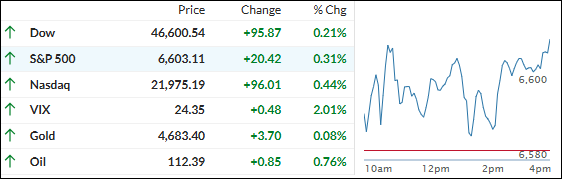
Major indexes are trading higher as markets price in a potential 45-day ceasefire in the Middle East, while historical seasonal patterns provide additional support for a stronger April performance.

Markets Pivot on Mideast Ceasefire Speculation

Equities staged a decisive recovery during Monday’s opening bell, extending the momentum from last week’s session as a cooling geopolitical environment provided a much-needed relief rally. Major stock indexes surged as participants recalibrated risk premiums, driven by reports that a potential 45-day ceasefire between the U.S., Iran, and regional mediators may be on the horizon. The ongoing dialogue, aimed at securing a lasting resolution to regional hostilities, has injected a note of cautious optimism into a market that had been increasingly sensitive to energy supply disruptions.

Energy markets, which serve as the primary barometer for Mideast volatility, reflected this shift as oil prices retreated from recent highs. The decline in crude valuation has provided a dual benefit to the broader index: it alleviates immediate inflationary pressures for consumers and businesses alike, while simultaneously tempering the risk of a sustained energy shock that could have forced central banks into a more hawkish stance.

The Seasonal Case for April

Beyond the immediate geopolitical headlines, the rally is finding structural support in historical market patterns. As the calendar turns toward April, traders are increasingly looking at favorable seasonal tailwinds. Historically, April has ranked among the strongest months for equity performance, often characterized by the tail end of the "best six months" of the trading year. While the current rally is undeniably headline-driven, the alignment of positive seasonal trends provides a technical floor that may encourage institutional dip-buying.

However, market participants remain wary of the inherent fragility of these negotiations. While the prospect of a 45-day ceasefire is being priced in as a positive catalyst, the complexity of a permanent deal suggests that volatility could return if diplomatic progress stalls. The current pricing suggests that while the market is willing to bet on de-escalation, it is not yet discounting a total cessation of regional friction.

Implications for Traders and Risk Management

For traders, the current environment necessitates a nuanced approach to risk. The correlation between oil price volatility and equity index performance remains high; a breakdown in ceasefire talks would likely trigger an immediate reversal in risk assets, characterized by a sharp bid for safe-haven assets and a spike in energy futures. Conversely, a formal signing of a 45-day agreement could lead to a broader rotation into cyclicals, as the removal of a major "tail risk" event encourages risk-on positioning.

Investors should monitor the energy complex closely for signs of exhaustion or renewed buying pressure. While the headlines regarding Iran are currently serving as a tailwind, the market’s reaction function remains sensitive to any signals that the ceasefire terms are being rejected or that regional proxy involvement is expanding.

Looking Ahead: What to Watch

Moving forward, the focus will shift from headline speculation to tangible diplomatic outcomes. Traders should keep a close eye on official statements from regional mediators and any subsequent shifts in U.S. foreign policy rhetoric. Should the ceasefire progress move from discussion to implementation, the market will likely shift its attention back to fundamental macroeconomic drivers, such as upcoming CPI prints and central bank forward guidance. For now, the combination of cooling energy prices and historical April strength provides a compelling, if precarious, backdrop for equity bulls.