Commodities● Neutral
Trump Warns of Persistent Fuel Inflation on Strait of Hormuz Risk
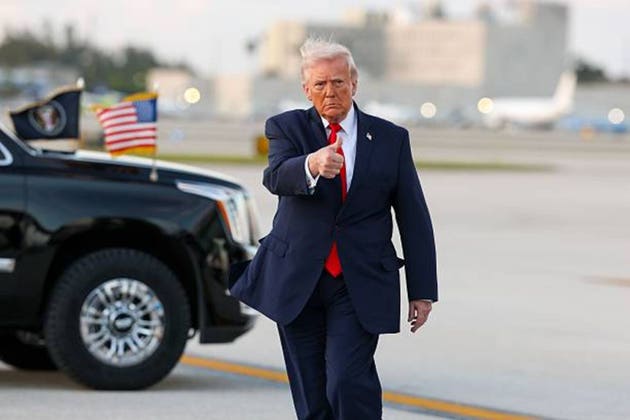
A potential blockade of the Strait of Hormuz threatens 20% of global oil supply. Expect higher energy costs to weigh on consumer spending through autumn.
Continue with
The Specter of Geopolitical Risk
Energy markets are bracing for a period of sustained volatility as former President Donald Trump issued a stern warning regarding the trajectory of fuel prices. According to the former president, consumers and businesses should prepare for elevated gasoline and oil prices to persist through the autumn months. The primary catalyst for this outlook is the escalating conflict involving Iran and the tangible threat to global energy supply chains posed by a potential blockade of the Strait of Hormuz.
The Strait of Hormuz, a critical maritime chokepoint, facilitates the transit of roughly 20% of the world’s total petroleum consumption. Any attempt to restrict or shutter this passage would trigger an immediate and aggressive supply shock, forcing global benchmarks to recalibrate to significantly higher risk premiums. Trump’s assessment underscores a growing consensus among energy analysts: geopolitical instability in the Middle East remains the most significant "known unknown" currently weighing on the global economic recovery.
Market Implications: The Cost of Uncertainty
For traders and institutional investors, the prospect of high fuel prices extending into the fall has profound implications. Elevated energy costs serve as a regressive tax on the consumer, potentially stifling discretionary spending as households divert more capital toward basic fuel needs. Furthermore, persistent energy inflation complicates the broader macroeconomic picture, potentially keeping headline inflation data higher for longer and limiting the policy flexibility of central banks.
Historically, energy price spikes linked to the Strait of Hormuz have led to immediate, double-digit percentage surges in crude oil futures. The current market environment is particularly sensitive to such disruptions because global spare capacity remains relatively thin. When major producers like those in the OPEC+ bloc are already managing production quotas, the loss of any significant volume through the Strait of Hormuz leaves the global market with few levers to pull to stabilize prices.