Commodities● Neutral
Energy Market Volatility Signals Rising Recession Risks
By AlphaScala Research DeskSource reporting: charleshughsmith.blogspot.comEditorial standards1 views
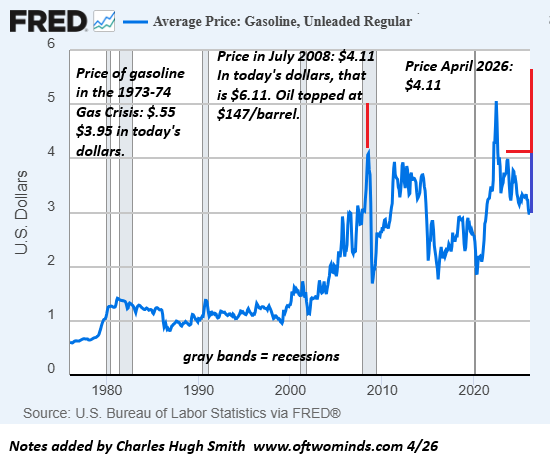
Crude oil price instability forces central banks to keep interest rates higher for longer, threatening margins across energy-intensive global industries.
Continue with
Global energy markets are facing heightened scrutiny as investors weigh the dual pressures of persistent inflation and the looming threat of a recession. Crude oil prices remain a focal point for market participants, acting as both a driver of inflationary trends and a barometer for broader economic health. As central banks maintain restrictive monetary policies to temper rising costs, the energy sector has become increasingly sensitive to shifts in global demand forecasts.
Energy analysts are closely monitoring supply-side constraints alongside cooling industrial activity. While supply disruptions have periodically supported price floors, the prospect of a sustained economic downturn continues to weigh on long-term consumption expectations. This tug-of-war between structural supply shortages and sluggish economic growth has created a period of significant price instability.
Market participants are currently adjusting their positions to account for the possibility that higher energy costs will force central banks to keep interest rates elevated for longer than previously anticipated. This dynamic is complicating the outlook for energy-intensive industries, which are already grappling with tighter margins and cooling consumer demand. As the economic landscape remains uncertain, the energy sector continues to serve as a critical indicator for both inflationary pressures and the potential for a global slowdown.