Macro● Neutral
Why Data Center Hubs are Migrating to the American Midwest
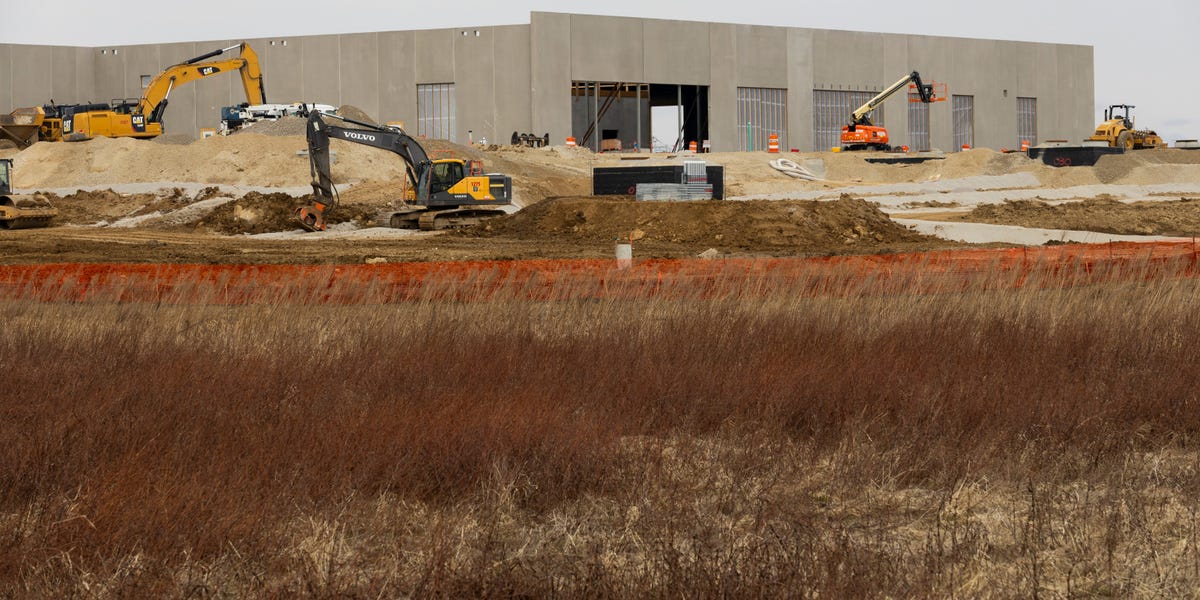
Midwest states are emerging as the second-largest data center hub by prioritizing grid capacity over tax breaks. Watch utility filings for 2026 expansion.
Continue with
The Great Migration of Infrastructure
Tech giants are rapidly moving their server capacity away from traditional coastal markets and into the American Midwest. This geographic shift centers on one primary constraint: access to reliable, high-capacity power. Companies increasingly view Wisconsin, Indiana, and Texas as the new frontier for massive data center deployments.
The industry is moving past the limitations of older tech corridors. Power grids in the Midwest offer the energy density required to run the next wave of AI-driven computing. This trend keeps traders watching the market analysis for signs of how these capital expenditures will impact regional utility stocks.
Why the Midwest Wins on Power
Data centers require immense electrical loads. Traditional hubs in Northern Virginia or California often face grid congestion and long wait times for new connections. Midwest states provide a different value proposition, offering both physical space and available utility capacity.
Key drivers for the migration include:
- Lower operational costs compared to coastal alternatives.
- Proximity to renewable energy sources that meet corporate sustainability mandates.
- Expedited permitting processes in states eager to attract high-tech investment.