Stocks● Neutral
India Cements Faces Brand Risk as Dhoni Injury Hits Valuation
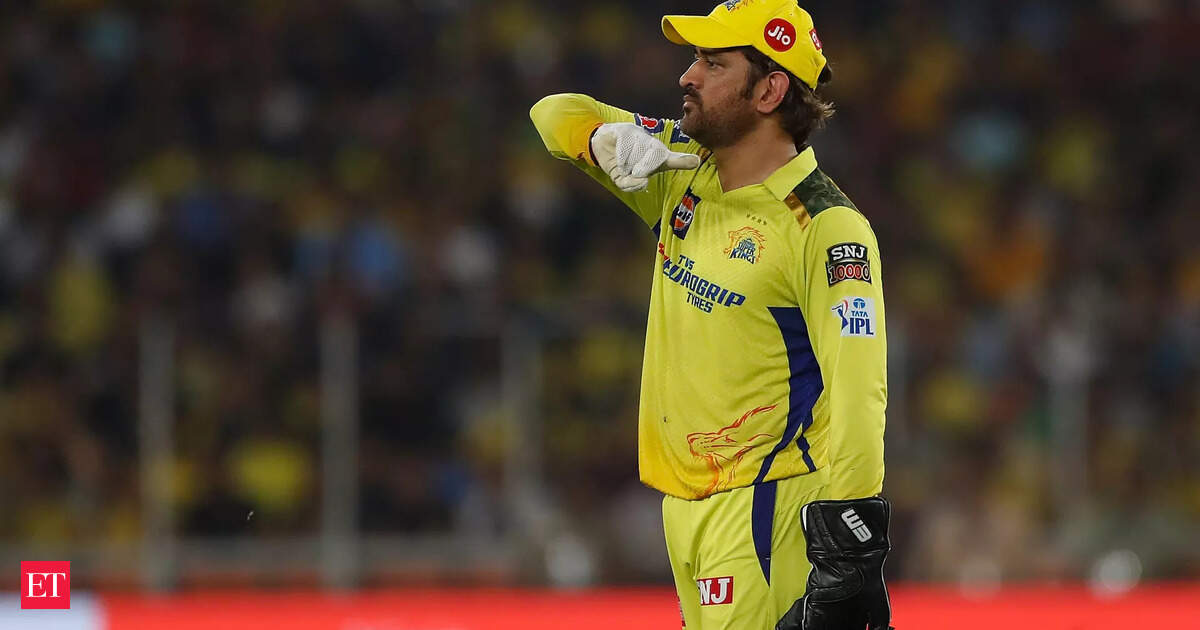
MS Dhoni's calf strain threatens viewership and sponsor revenue for INDIA_CEMENTS. Monitor social sentiment for selling pressure as brand equity erodes.
Continue with
MS Dhoni's calf strain isn't just a sports injury—it's a live case study in the financial impact of intangible asset depreciation for a publicly traded franchise. While Chennai Super Kings (CSK) is owned by India Cements (NSE: INDIA_CEMENTS), the brand's value is disproportionately tied to Dhoni's iconic status. His absence directly correlates with potential viewership erosion (TRP risk for broadcasters), merchandise slowdown, and sponsor renegotiations. Traders should monitor social sentiment via AlphaScala Pro's social pulse; a sustained negative deviation from CSK's baseline could presage selling pressure on India Cements. Technically, the QQE MOD Enhanced on the weekly chart may signal oversold conditions if the stock dips on injury updates, but the LRSI + Alpha Filter would be key to confirm if any dip is a genuine accumulation zone or a prolonged value trap. The cautious return timeline cited by Ruturaj Gaikwad suggests this depreciation event could stretch for weeks, not days. For investors, this underscores why 'brand equity' must be quantified in sports franchise valuations. Discuss with your broker how thematic ETFs or pure-play stocks like India Cements price such intangible risks—it's a primer in non-balance-sheet asset volatility.