Commodities● Neutral
Crude Oil Hits $100 as U.S. Navy Moves to Blockade Iranian Ports
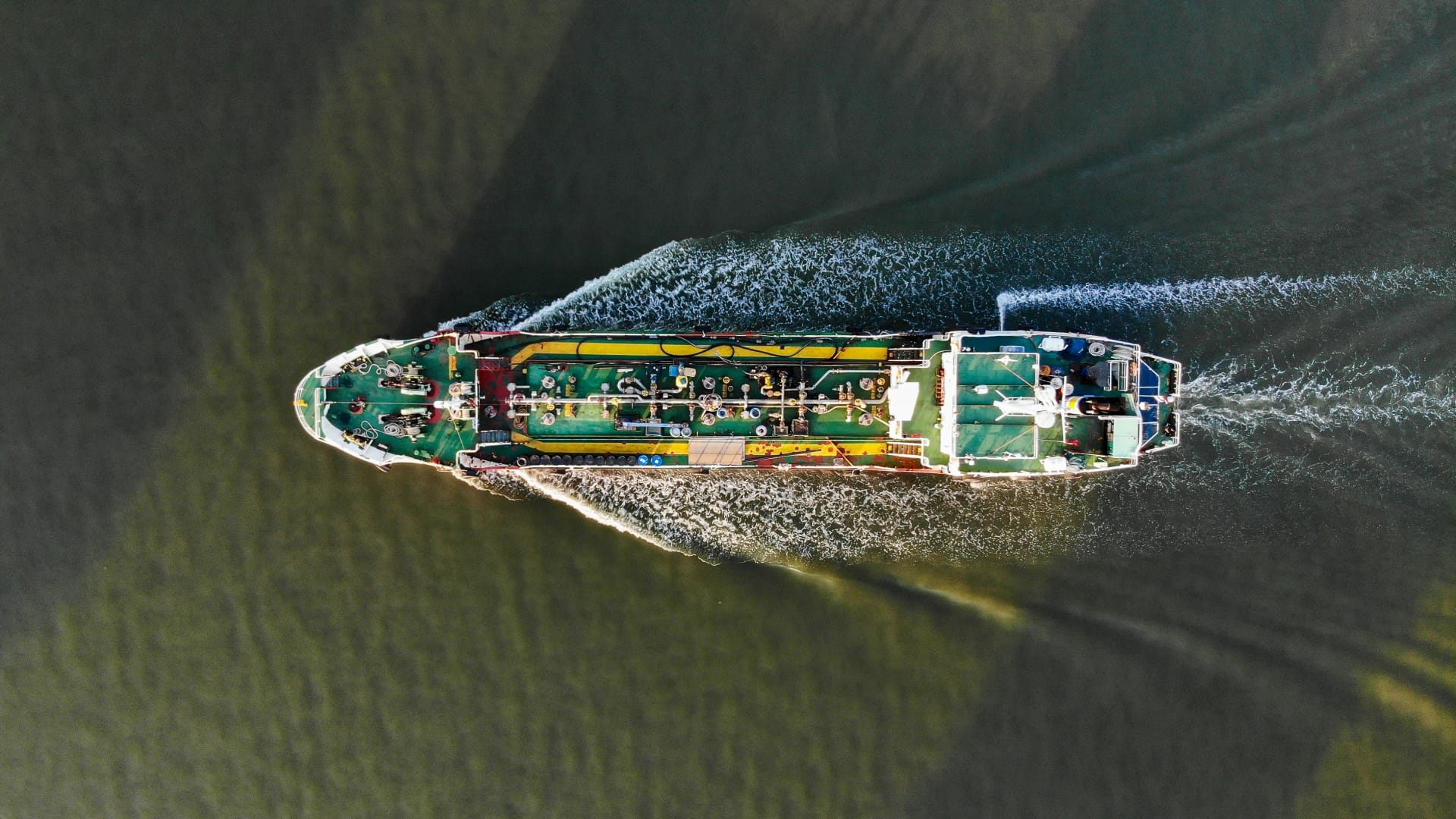
The Strait of Hormuz handles 20% of global petroleum, fueling a massive supply-side risk premium. Watch for potential naval confrontations to drive prices.
Continue with
Escalating Tensions in the Strait of Hormuz
Global energy markets were sent into a tailspin this morning as crude oil prices surged past the critical $100-per-barrel psychological barrier. The sharp rally follows a breakdown in diplomatic peace talks between the United States and Iran, coupled with a directive from President Donald Trump authorizing the U.S. Navy to interdict and blockade vessels in international waters that have paid transit tolls to Tehran.
This aggressive maneuver marks a significant escalation in the ongoing geopolitical friction centered around the Strait of Hormuz, a vital maritime chokepoint through which roughly 20% of the world's total petroleum consumption flows. By targeting ships that have compensated Iran for passage, the U.S. administration is effectively attempting to cripple a key revenue stream for the Iranian state, while simultaneously introducing a massive supply-side risk premium into the energy markets.
The Breakdown of Diplomacy
The swift move to naval intervention comes on the heels of failed peace negotiations, which had previously held out hope for a de-escalation of sanctions and regional hostilities. With the diplomatic track now effectively shuttered, market participants are bracing for a period of extreme volatility. The order to the U.S. Navy is not merely a symbolic gesture; it signifies a shift toward active economic and maritime containment that threatens the stable flow of global crude supplies.
Historically, any disruption to the Strait of Hormuz has served as a catalyst for explosive price action in energy markets. During past periods of heightened tension in the region, the combination of physical supply threats and speculative fear-buying has frequently led to sustained price rallies, as traders grapple with the potential for a complete closure of the waterway.