Back to Markets
Macro● Neutral

Commerce Secretary Howard Lutnick Faces House Oversight Scrutiny Over Epstein Ties

April 6, 2026 at 09:22 PMBy AlphaScalaSource: cnbc.com
Commerce Secretary Howard Lutnick Faces House Oversight Scrutiny Over Epstein Ties

Commerce Secretary Howard Lutnick is scheduled to testify before the House Oversight Committee on May 6 regarding discrepancies in his past relationship with Jeffrey Epstein, raising concerns about transparency and political stability.

A High-Stakes Testimony Looms

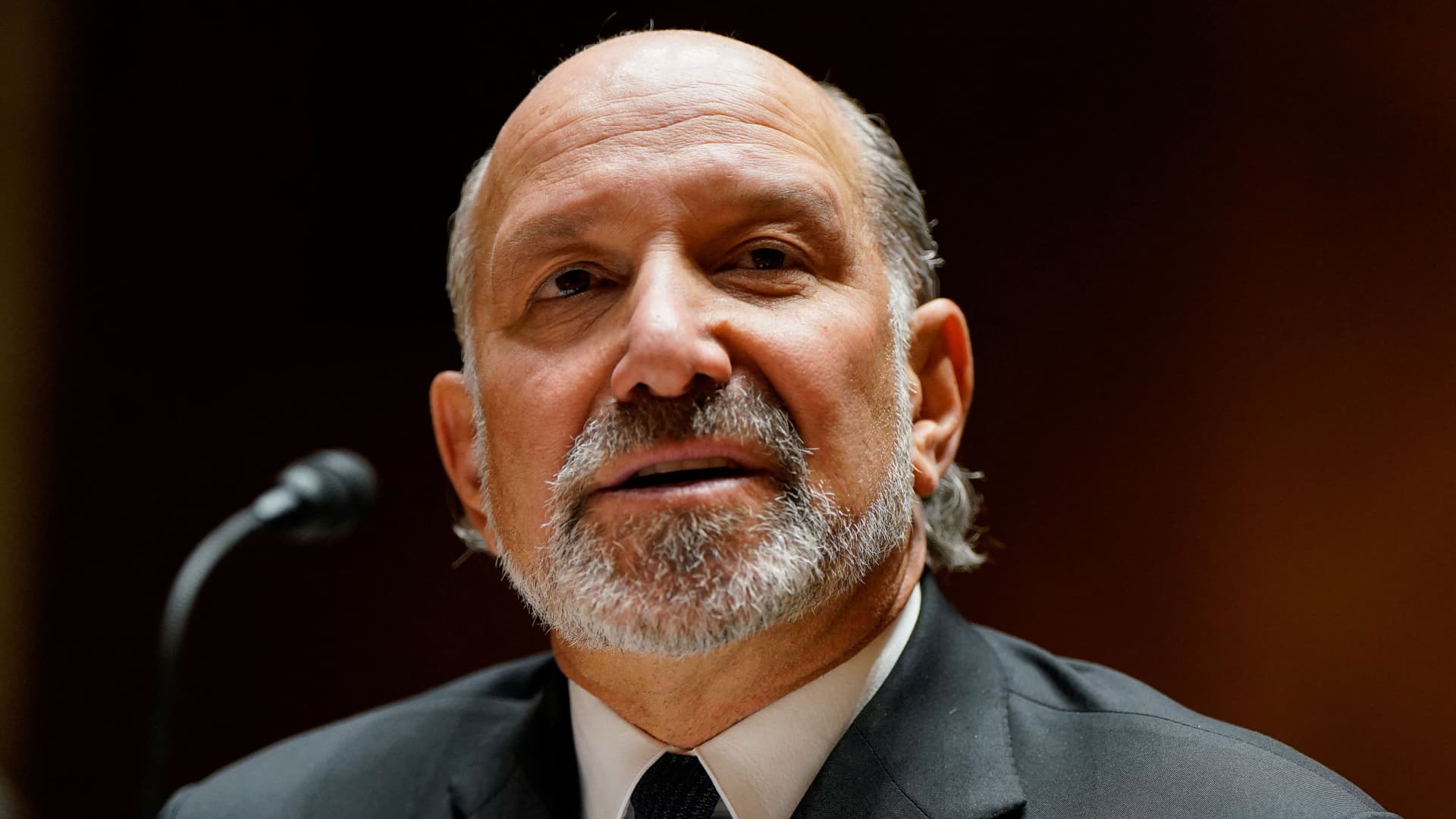
Commerce Secretary Howard Lutnick is bracing for a significant confrontation with Capitol Hill. The House Oversight Committee has officially scheduled a deposition for May 6, centering on the Secretary’s past associations with the late convicted sex offender Jeffrey Epstein. This session is expected to drill down into inconsistencies regarding the timeline of their relationship, a development that could have broader implications for the current administration’s transparency and the personal vetting of high-ranking officials.

The Contradiction at the Core

At the heart of the inquiry is a direct conflict between Lutnick’s public narrative and newly surfaced information. Previously, the Commerce Secretary had maintained that he severed all ties with Epstein in 2005. However, emerging evidence suggests that the relationship persisted well beyond that date. Reports indicate that Lutnick, accompanied by his family, shared a lunch with Epstein as late as 2012—seven years after his purported cutoff date.

For lawmakers on the Oversight Committee, the discrepancy is more than a mere personal lapse; it is a matter of integrity for a cabinet-level official. The committee is expected to use the May 6 interview to determine whether Lutnick provided inaccurate information regarding the nature and duration of his association with Epstein, and why such a significant interaction was omitted from prior public disclosures.

Why Traders Should Pay Attention

While the Epstein saga is rooted in social and legal controversy, the involvement of a sitting cabinet secretary introduces a layer of political risk that markets rarely ignore. In the current climate, where regulatory oversight and administrative stability are closely watched by institutional investors, any scandal touching a high-level Commerce official can lead to policy uncertainty.

Historically, when key cabinet members face intense congressional scrutiny, the volatility of the sectors they oversee tends to tick upward. As the head of the Department of Commerce, Lutnick holds significant sway over trade policy, export controls, and technological investment—areas that are already sensitive to geopolitical headwinds. If the May 6 testimony leads to calls for resignation or distracts from the Department’s core operational mandate, traders should prepare for potential friction in the policy-sensitive tech and manufacturing sectors.

The Broader Context of Oversight

This deposition is part of a wider, ongoing congressional effort to trace the influence of Jeffrey Epstein’s network across various levels of government and finance. The House Oversight Committee has demonstrated an aggressive posture in recent months, signaling that no stone will be left unturned regarding the late financier's reach.

For the markets, this represents a classic 'headline risk' scenario. While the immediate impact on the S&P 500 or specific equity benchmarks may be negligible, the potential for a drawn-out investigation creates a 'drip-feed' of negative news cycles. Such cycles often weigh on investor sentiment, particularly when the individual in question is responsible for economic initiatives that require bipartisan support.

What to Watch Next

All eyes will be on the May 6 interview transcript and any subsequent follow-up requests from the committee. Investors should monitor for three key outcomes:

  1. The 'Explanation' Factor: How Lutnick reconciles the 2012 lunch with his 2005 cutoff claim.
  2. Departmental Continuity: Whether the Commerce Department issues a formal strategy to insulate its policy agenda from the fallout.
  3. Congressional Escalation: Whether the Oversight Committee finds sufficient grounds to expand the inquiry or refer the matter for further investigation.

As the date approaches, market participants should remain cautious of any sudden shifts in the tone of the investigation, as these often serve as a catalyst for transient, yet sharp, adjustments in policy-sensitive asset classes.