Stocks● Neutral
Chery Targets European Market Share with New Barcelona Hub
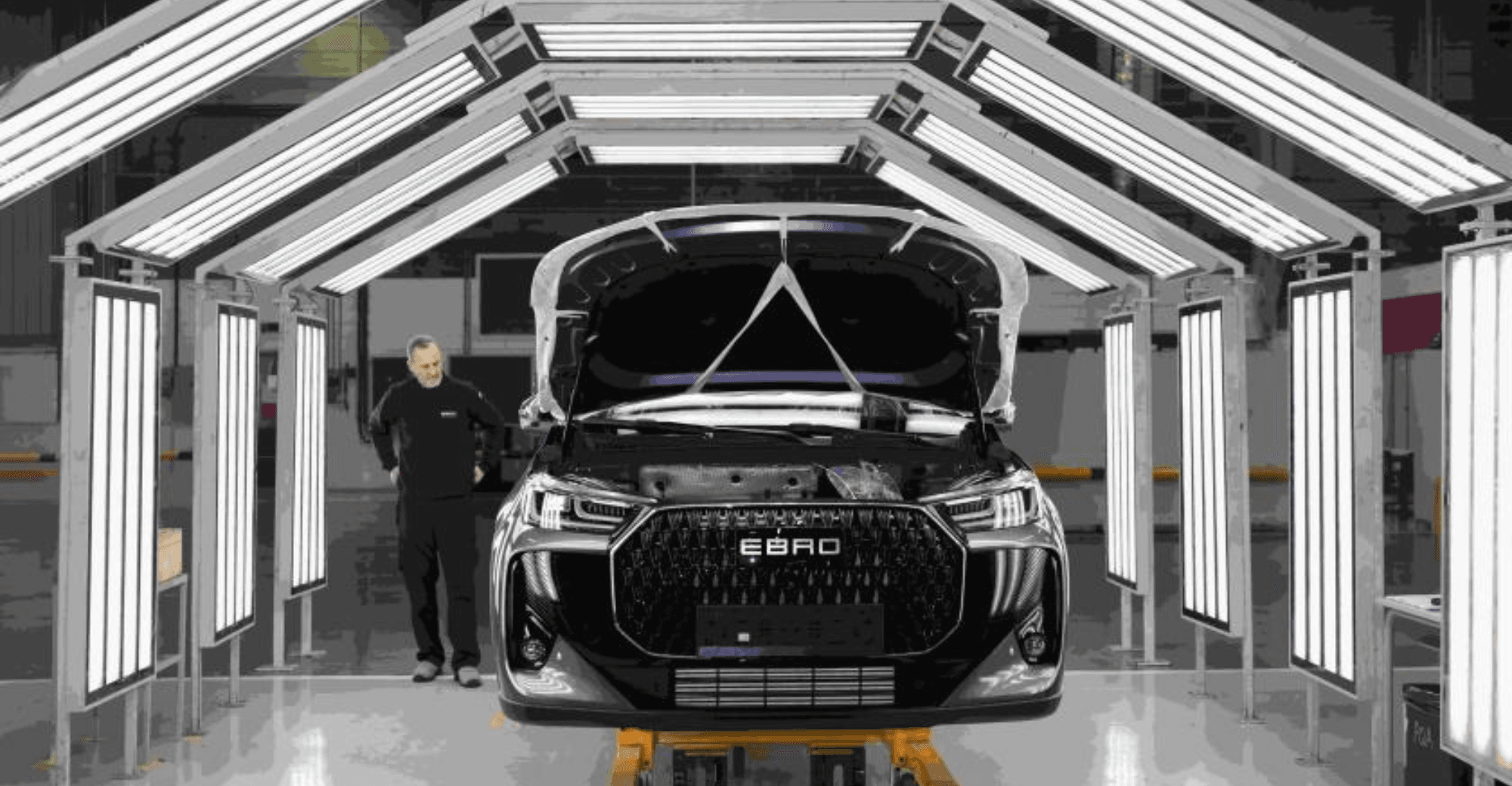
The strategic move aims to bypass trade volatility by localizing supply chains. Watch for production volume targets to gauge long-term competitive impact.
Continue with
A New Chapter for Chinese Automotive Exports
Chinese automotive giant Chery has officially inaugurated its first regional hub in Barcelona, marking a pivotal shift in the company’s internationalization strategy. This expansion is not merely a logistical upgrade but a calculated move to embed the brand deeper into the European automotive ecosystem, signaling a shift toward long-term localization as the firm seeks to challenge established Western incumbents on their home turf.
By establishing a dedicated regional headquarters in Spain, Chery is aiming to bridge the geographical and operational gap between its massive manufacturing base in China and the sophisticated, highly regulated European market. For investors and market analysts, this move represents a clear signal that Chery is committed to navigating the complexities of the European Union’s automotive landscape, including impending trade shifts and regulatory requirements.
The Strategic Rationale: Why Barcelona?
Barcelona has long served as a gateway for automotive manufacturing, boasting a rich industrial legacy and a highly skilled labor force. Chery’s decision to plant its flag in the Catalan capital is a strategic play to facilitate closer coordination with local supply chains and distribution networks.
This localization strategy is essential for Chery as it attempts to scale its European footprint. By moving operations closer to the end consumer, the company can better navigate the nuances of European vehicle safety standards, consumer preferences, and the evolving infrastructure of the green energy transition. The hub will serve as the nerve center for coordination, allowing Chery to streamline its supply chain and potentially mitigate the risks associated with long-distance logistics and international trade volatility.