Macro▲ Bullish
Bessent and Selig Push CLARITY Act to Overhaul Market Oversight
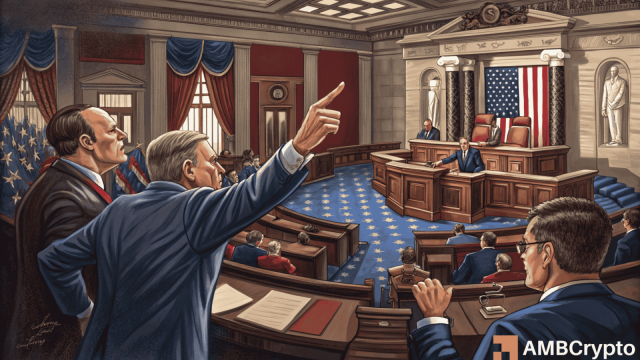
The bipartisan push aims to close cross-market surveillance loopholes and boost CFTC enforcement. Traders should prepare for higher compliance costs ahead.
Continue with
A Unified Front on Financial Oversight
In a significant development for U.S. financial regulation, Treasury Secretary Scott Bessent and Commodity Futures Trading Commission (CFTC) Chair Mike Selig have issued a joint call to action, urging Congress to prioritize the passage of the CLARITY Act. The legislative push signals a rare alignment between the Treasury Department and the nation’s primary derivatives regulator, suggesting that the current regulatory framework is increasingly viewed as inadequate to handle the complexities of modern financial markets.
The CLARITY Act, which aims to modernize oversight mechanisms and close existing loopholes in cross-market surveillance, has become a focal point for the current administration’s efforts to bolster market integrity. By consolidating reporting requirements and enhancing the communication channels between federal agencies, proponents argue the bill will provide the necessary teeth to track systemic risk more effectively.
Why the CLARITY Act Matters Now
For market participants, the urgency behind this legislative effort reflects growing anxiety regarding the fragmentation of financial data. As trading volumes in digital assets and complex derivatives continue to surge, regulators have found themselves operating with antiquated tools. Secretary Bessent has long advocated for a more cohesive approach to financial stability, emphasizing that the current "siloed" regulatory environment invites arbitrage and oversight gaps.
Chair Mike Selig’s involvement underscores the CFTC’s commitment to expanding its jurisdiction and operational capacity. The CFTC has historically operated under tighter budget constraints than its counterpart, the Securities and Exchange Commission (SEC), and the CLARITY Act is viewed by many on Capitol Hill as a mechanism to provide the commission with the regulatory clarity it needs to oversee increasingly volatile commodity and futures markets.