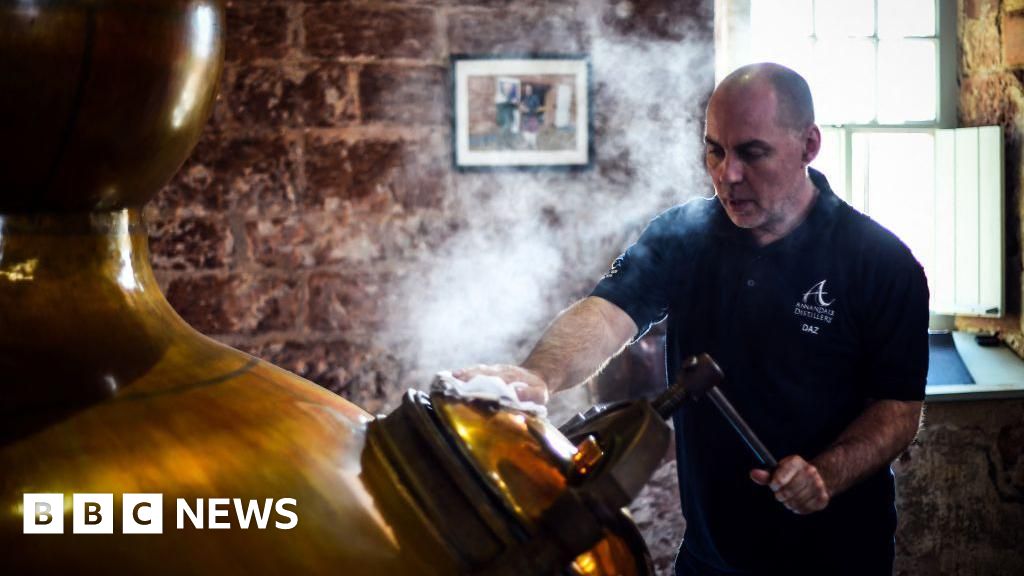
A New Standard for Spirits
Annandale Distillery has announced a technical breakthrough in whisky production, claiming to be the first producer globally to deploy a new, environmentally-friendly method for generating process heat. The distillery, located in the Scottish Lowlands, has integrated a specialized system designed to lower the carbon footprint associated with traditional spirit manufacturing.
Traditional whisky production is energy-intensive, requiring immense heat to power the stills. By adopting this new technology, Annandale seeks to decouple high-quality production from heavy fossil fuel reliance. This move reflects a growing trend among luxury beverage producers to address consumer demand for sustainable manufacturing processes.
The Technology at Work
While the industry has long experimented with biomass and solar energy, Annandale’s approach focuses on the specific thermal requirements of the mashing and distillation phases. The company has not disclosed the full technical specifications of the heat-generation system, but it confirms the operation is now active at its site.
Impact on Production Costs
Early reports suggest the system helps stabilize energy inputs, which remain a volatile variable for distillers. Traders keeping an eye on market analysis often point to energy costs as a primary driver of margin compression in the food and beverage sector. By insulating itself from traditional energy pricing, Annandale may secure a competitive edge in long-term operational expenditure.
| Feature | Traditional Method | Annandale New Method |
|---|
| Heat Source | Fossil Fuel / Grid | Low-Carbon Tech |
| Carbon Output | High | Reduced |
| Energy Stability | Market-Dependent | Self-Regulated |
Market Implications for Distillers
Investors are watching how this technology scales. If the process proves effective, it could set a benchmark for larger players in the industry. Sustainability is no longer a peripheral concern for shareholders; it is a core metric in evaluating long-term viability. As energy costs fluctuate, firms that lower their dependence on the grid often see better performance in their balance sheets.
"Annandale's commitment to low-carbon heat is a clear signal that the whisky industry is ready to move beyond traditional energy consumption models," industry observers noted.
What to Watch Next
Industry participants should monitor whether Annandale releases data on the specific carbon reduction percentages achieved during the first full year of operation. The transition to green heat could be a catalyst for further investment in the Scottish whisky region. If successful, we expect other independent distillers to follow this path to maintain market relevance in an era of strict environmental reporting.
Similar shifts are occurring across the broader consumer goods sector, including changes in RBC Shifts Card Loyalty Focus from Points to Travel Rewards. Just as financial services adapt to changing consumer habits, the spirits industry must demonstrate its ability to evolve alongside environmental expectations.